Orkin's Commitment to Education
Orkin’s formal commitment to public education dates back to the 1950s when local Orkin professionals first began making educational presentations in neighborhood schools. These days, we are partnering with universities and schools across the country to provide resources and expertise in school classrooms and support academic research in the field of entomology.

Insect 2151 Science Fair
Imagining the Future Through Insects
Created to address the growing need for future entomologists, this one-of-a-kind science fair invites students to imagine tomorrow through insect-inspired innovation.
Orkin Endowment for UGA Professorship
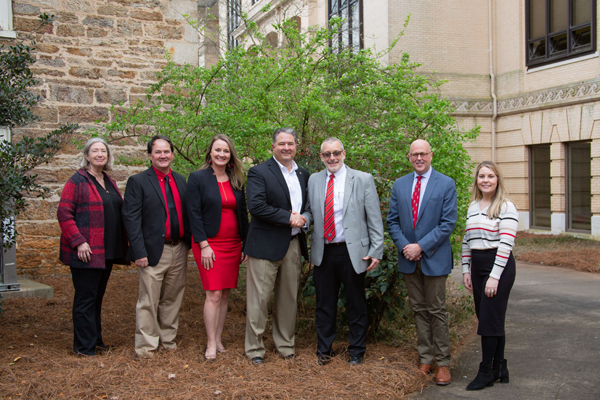
Orkin is committed to education and supporting science that delivers transformative research to the world. In April 2023, Orkin created a $500,000 endowment to establish the Orkin Professorship in Urban Entomology at the University of Georgia’s College of Agricultural and Environmental Sciences (CAES). Through the endowment, Dr. Daniel Suiter can provide continuing education to the structural pest control industry and serve as a technical resource for Agriculture and Natural Resources agents in Georgia. Specializing in insect problems associated with homes and other structures, Suiter's program generates, assimilates and extends knowledge and training to the industry while providing additional problem-solving services.
Smithsonian Museum
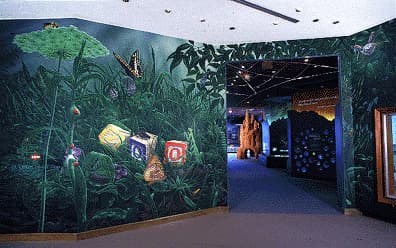
O. Orkin Insect Zoo
Orkin is proud to be the founding donor of the O. Orkin Insect Zoo at the Smithsonian Institution’s National Museum of Natural History, the most visited museum in the world. The O. Orkin Insect Zoo teaches that insects play a vital role in the environment, and they only become pests when they damage human health or property.
Zoo Atlanta
Orkin Children’s Zoo at Zoo Atlanta
Orkin also sponsors the Orkin Children’s Zoo at Zoo Atlanta. The Orkin Children’s Zoo has three components: a South American-themed exhibit, an Australian-themed “Outback Station” and a spacious petting zoo, as well as cabins for overnight educational safari visits.
Junior Pest Investigators
Lesson Plans
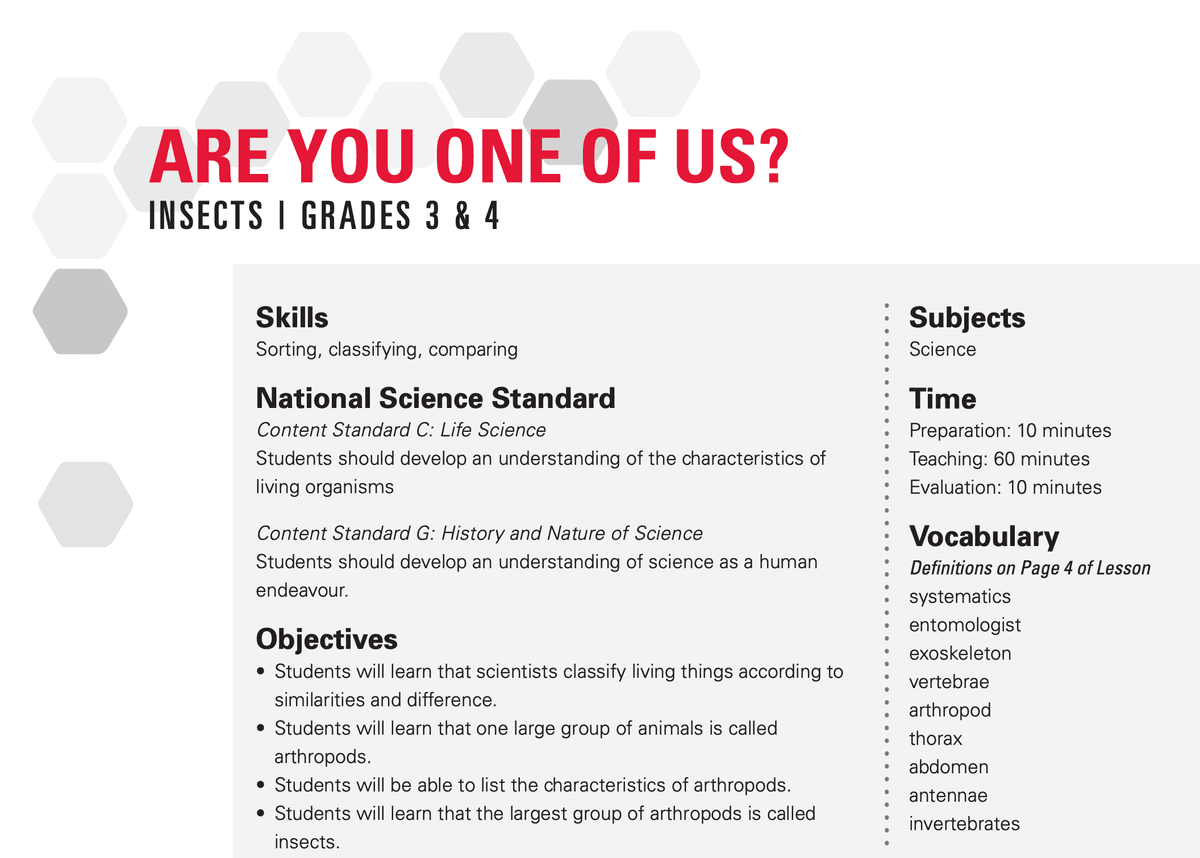
Orkin’s Junior Pest Investigators program, a free series of K-6 lesson plans, written by teachers and approved by national school pest management experts, teaches children to think differently about pests and pest management. Educators can download the free lesson plans and activities and conduct class projects.
Activities
Games & Activities
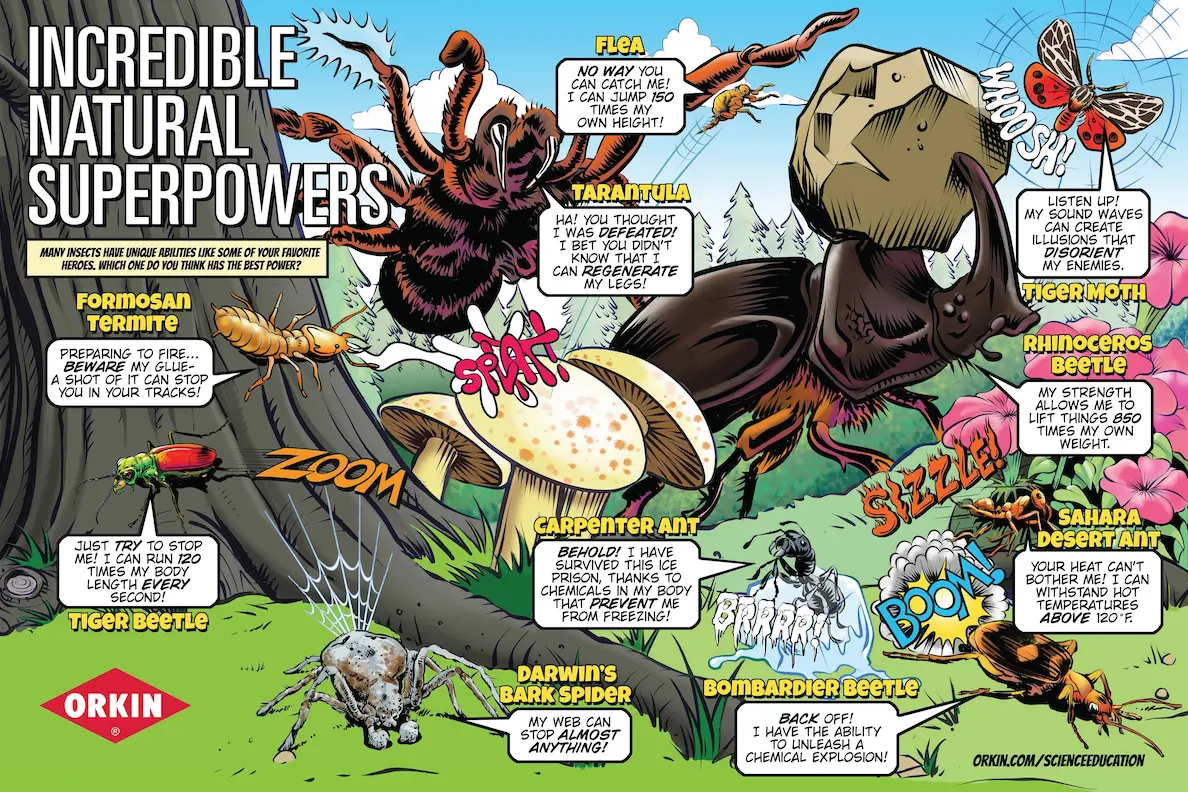
Get your kids excited about learning with fun bug games and activities. The activities and games below encourage kids to imagine bugs in new and creative ways with mazes, activity sheets and coloring pages.
Videos
Watch Pest Control Videos
Check out these videos to learn about common household pests such as termites, ants and more. Find pest control management methods to help reduce pest infestations.