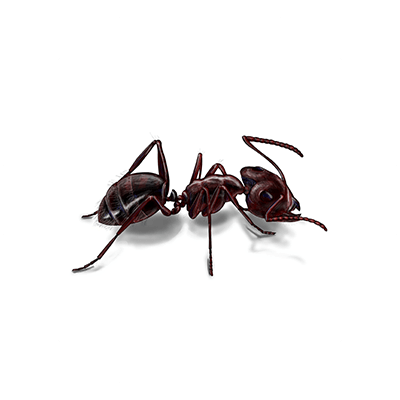
Signs of Carpenter Ant Infestation
Signs of Carpenter Ant Damage and Infestations
Carpenter ants are capable of damaging any wood within which they nest. Carpenter ant infestation can become severe when left untreated, and, in some cases, a colony of carpenter ants can develop satellite nests. To control an infestation properly and reduce the chances that the colony can return, it is important to contact a pest control professional.
Carpenter ants rarely nest in dry wood. Indoor infestations can be tracked by points of entry such as attic vents, foundations, cracks, electric wires, pipes and telephone lines. Carpenter ants prefer to nest in structural lumber such as in wall voids, hollow doors, windows and foam panels. Carpenter ants typically seek wood that has been softened by moisture, decay or other insects.
Infestation Signs
The most obvious sign of carpenter ant infestation is the presence of workers inside a building or home. However, the presence of ants is not conclusive evidence that a carpenter ant colony has established its nest within a structure. Carpenter ants forage for food within great distances of their nests.
When a carpenter ant infestation is severe, piles of wood shavings can usually be found beneath wooden items. Carpenter ants burrow into wood to create their nests, and an infestation can also be detected by faint rustling noises inside woodwork or walls. Furthermore, when large winged ants emerge from ceilings, walls and other hidden crevices, an infestation is almost certain.
Carpenter ant or termite infestation?
The Difference Between a Carpenter Ant Infestation and a Termite Infestation: Termites and the larvae of some beetles actually eat wood. However, carpenter ants gain no nutritional value from wood; rather, they damage it to make nests. An infestation of carpenter ants can be distinguished from a termite infestation by examining the damaged wood.

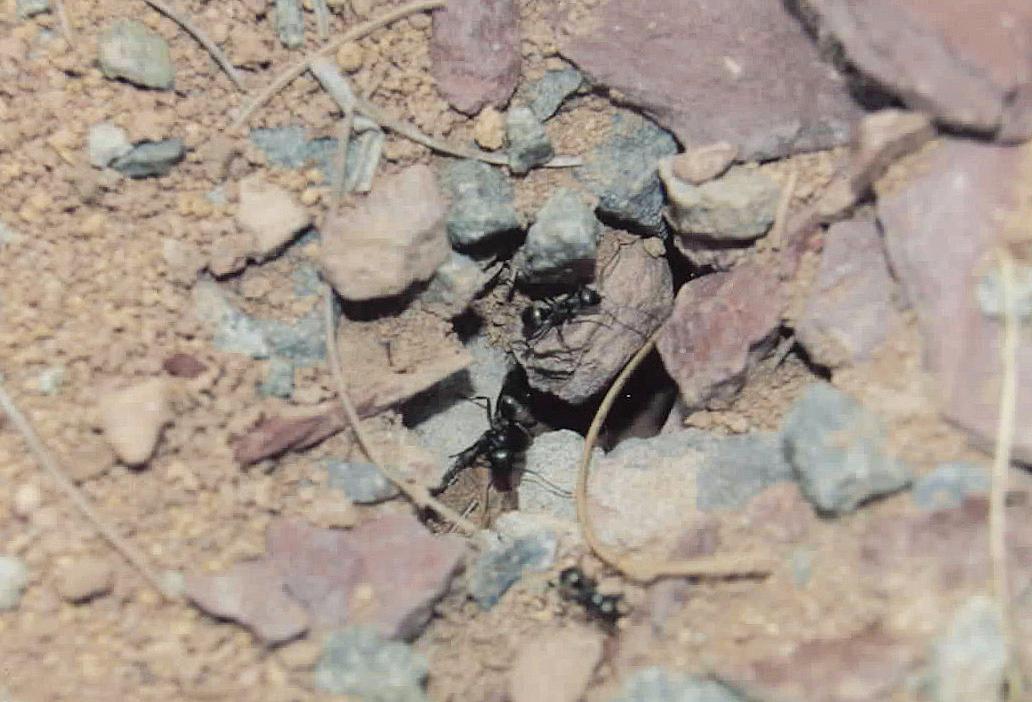
Carpenter Ant Damage
There are two major types of structure-infesting termites: subterranean and drywood. Both types of termites can be distinguished from carpenter ant infestation, but by different characteristics. To distinguish a carpenter ant infestation from a subterranean termite infestation, it is important to examine the hollowed-out wood. Carpenter ants clean and polish their galleries of wood so that they appear smooth inside, while galleries of subterranean termites contain large amounts of soil and mud. Carpenter ant galleries also have holes through which worker ants eject unwanted debris. While the surface of wood may appear undamaged, carpenter ant galleries can be identified by these telltale window holes. There is often a pile of wood shavings, debris, dead insects and other debris outside nest openings. The shavings resemble the scraps produced from sharpening a pencil and are different shapes and sizes. Drywood termites also produce frass or debris, but their fecal pellets are all the same size and shape.

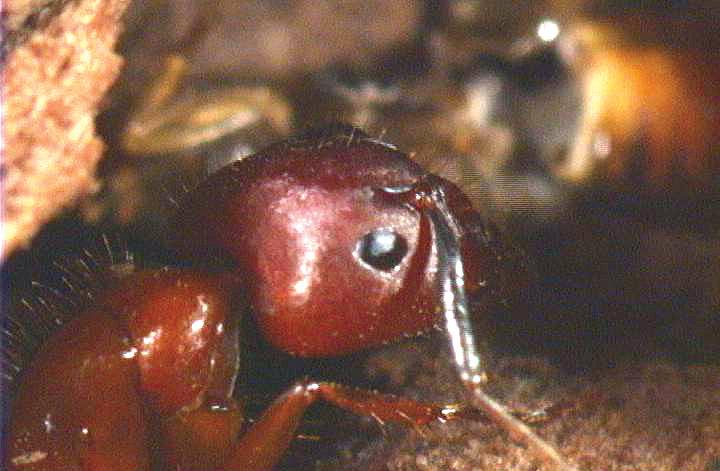
Carpenter Ant Working
Although the damage caused by carpenter ants is not as severe as the damage caused by termites, carpenter ant nests may cause significant damage over a period of years. As the number of individuals inside a colony grows, they continue to expand through the wood, which causes further damage.