Crazy Ant Facts & Information
Protect your home or business from crazy ants by learning techniques for identification and control.

Treatment
How do I get rid of crazy ants?
What Orkin Does
Crazy ants may be more difficult to control than other ant species because they dwell both indoors and outdoors. In addition, crazy ants forage long distances from their nests, making it difficult to identify their colonies.
Preventing and controlling crazy ants begins with a thorough inspection. Proactive or preventive actions include exclusion to prevent ants from getting inside your home and sanitation to eliminate their food sources. In addition, removing as many of the various conditions that create protective nest sites as possible helps to minimize the size of the ant population.
Since every building or home is different, your Orkin Pro will design a unique ant treatment program for your situation.
Frequently Asked Questions
Behavior, Diet & Habits
Understanding Crazy Ants
Appearance
-
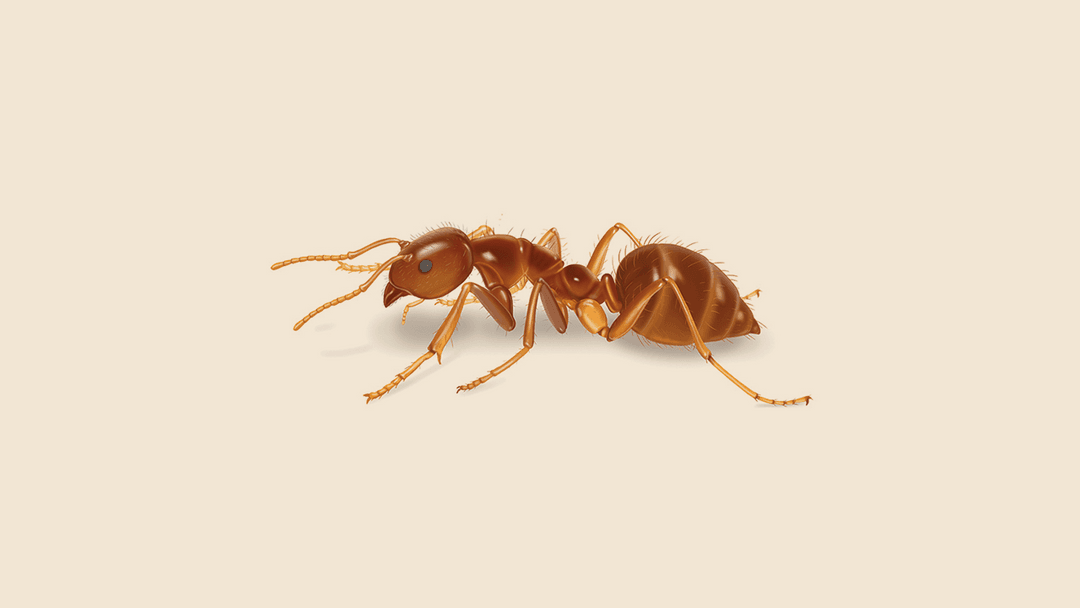
Color: Adult crazy ants are dark brown to black in color
-
Length: They are approximately 2.2 to 3 mm in length
-
Appendages: These insects’ antennae have 12 segments without a club and are elongated. Their legs are extremely long, which gives them a distinct appearance.
Diet
Crazy ant workers are omnivorous, feeding on both dead and live insects; honeydew produced from insects, fruits, plant secretions, seeds, and a variety of household food items such as sweets, meats, grease, and liquids.
Habitat
Crazy ants are highly versatile, living in both moist and dry habitats. They nest in rotten wood, soil, the cavities of trees and plants, trash and under rocks and buildings. They cannot survive extremely cold climates and may infest houses and buildings when the weather changes.
Colonies
Crazy ant nests can be located by following workers as they carry food back to their colonies. Colonies are small in number, containing 1,500 to 2,500 individuals.
Reproduction
Each crazy ant colony may contain from 8 to 40 queens. New colonies may be formed when a fertile queen and some workers break away from the main colony and establish one of their own. This process is known as budding.
More Information
Crazy ants are so named because of their frantic movements and erratic behavior. While this species originated in Southeast Asia, it is known worldwide as an invasive species and environmental pest.