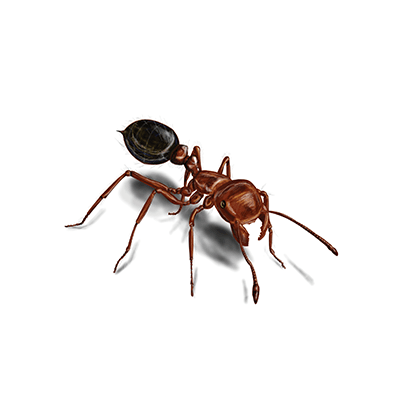
Queen Ants
Most ant species are social insects, living in large cooperative groups called colonies. Two or more generations may overlap in a colony. These ant colonies are divided into three castes — males, workers and queens — and each caste performs certain tasks. Ant species that have more than one queen in their nests are called polygyne. Colonies with only one egg-laying queen are known as monogyne.
Queen ants and males are part of the reproductive castes. They are the most important members of a colony because they ensure the survival of their species. Queen ants, regardless of species, often are larger than other members of their colonies. Queen ants also have thicker bodies, making them easily distinguishable. The abdomens of queen ants are larger than those of other ants, and they possess wing muscles specific to their caste.
The majority of queen ants' eggs grow up to become wingless, sterile female ants, or workers. Occasionally, winged male and female ants are produced to mate. After mating, males die and, in many species, females shed their wings, going on to establish new colonies. Queen ants typically do not forage, but use the proteins from their decaying flight muscles as a food reserve. When a colony's first brood develops into adults, they retrieve food for their queens.
In some species queen ants can live over a decade and are the longest living of the three castes. They are able to produce thousands of eggs during one lifetime.