





Cockroach Facts
Understanding Cockroach Problems
The more you know about cockroaches, the better you can predict and control their behavior. Here are some quick facts to help you on your way.
Protect your home or business from cockroaches by learning techniques for identification and control.
Types of Cockroaches
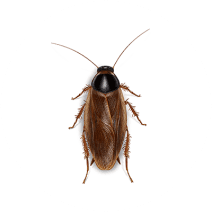
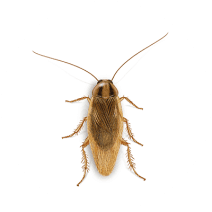
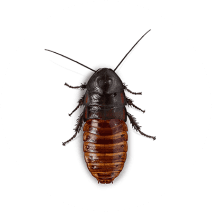
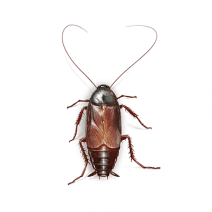
What do cockroaches look like?
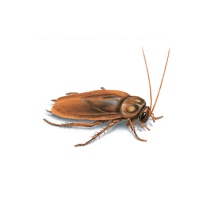
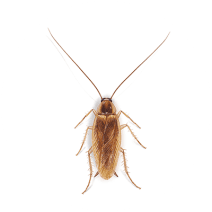
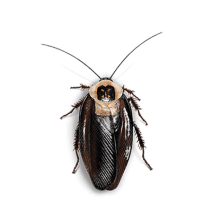
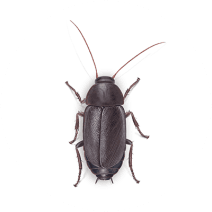
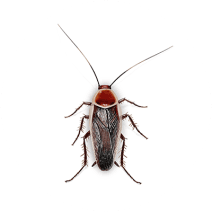
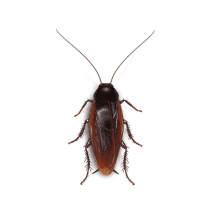
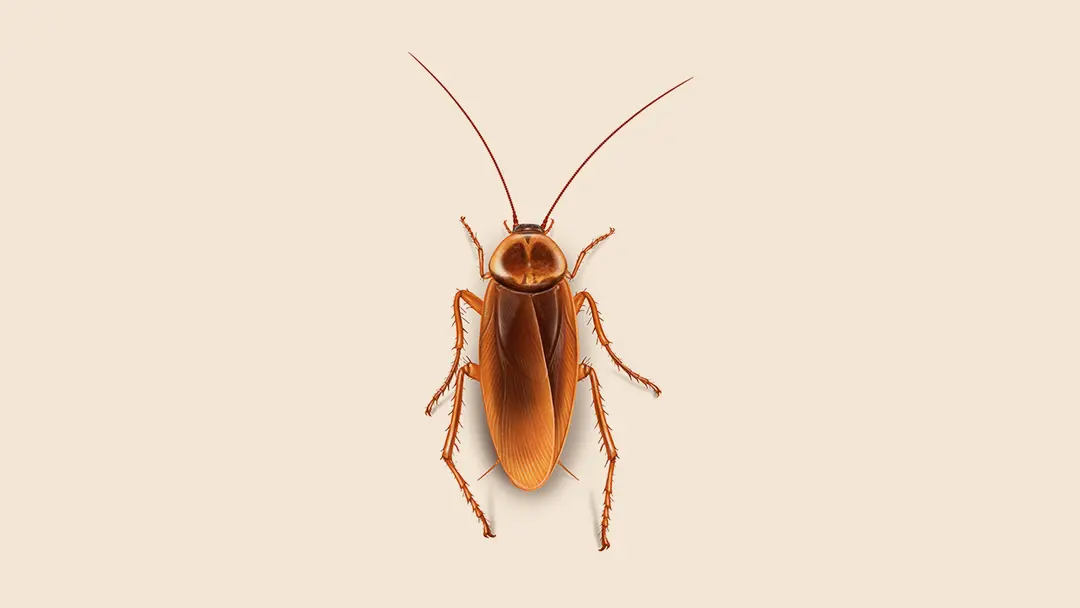
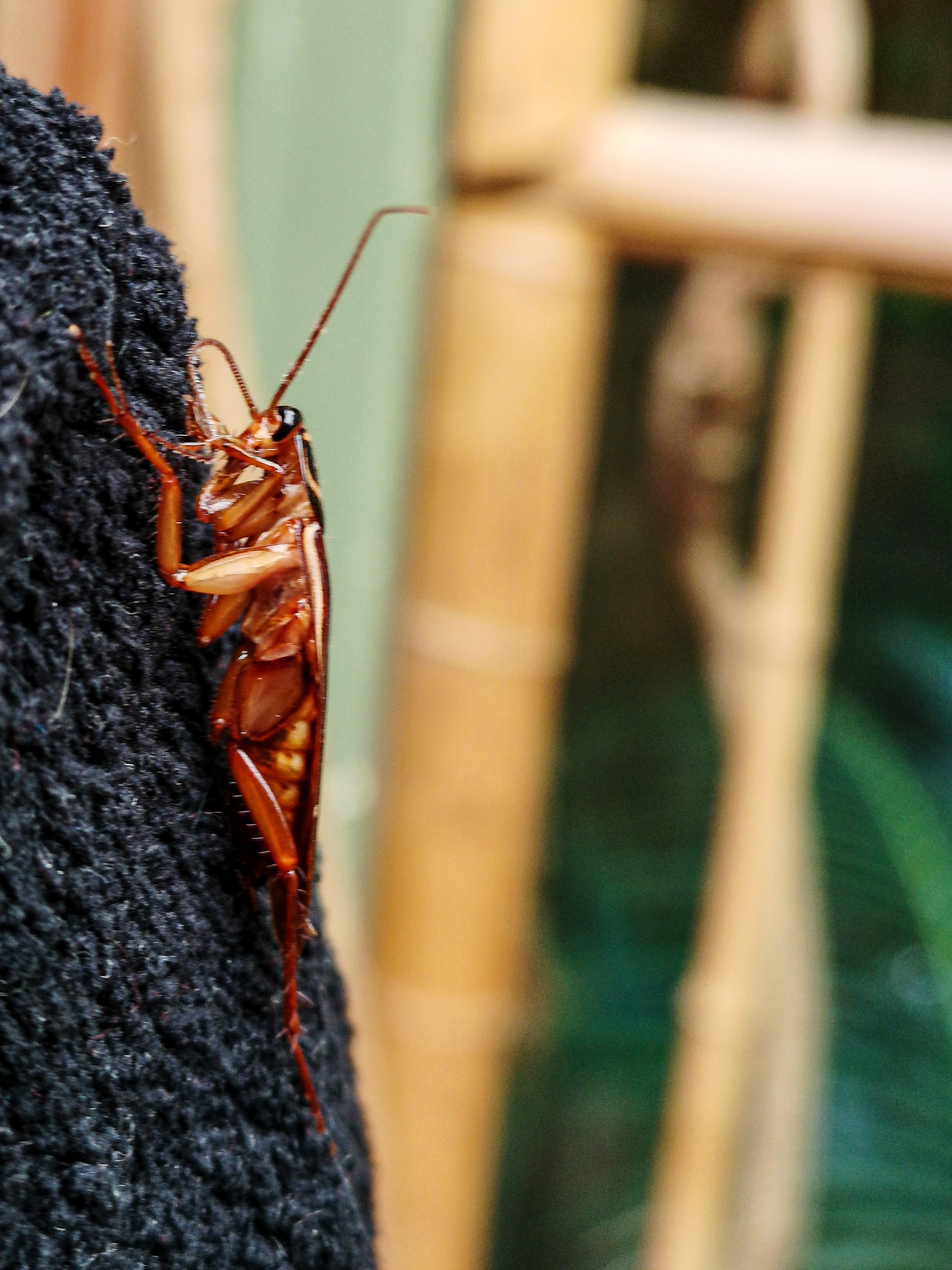
Cockroaches can measure over 50 mm (2 in) length, with tropical species tending to be larger than those found in other climates. Cockroaches have six legs, two antennae and some even have wings. However, most winged cockroaches are not particularly adept at flying. With flat, oval-shaped bodies, these pests are often oily to the touch and may be cool or warm, depending on the temperature of their environment. Cockroaches in the house are better at hiding than you are at finding them, and their eggs are naturally protected from many over-the-counter insecticides and are elusive when it comes to cockroach traps. Without special equipment, materials and know-how, pest control for cockroaches can be a losing battle. Read more about what a cockroach looks like.
While a cockroach infestation is one of the most common pest problems, it’s also one of the most stubborn. Since every home is different, an Orkin Pro can design a unique cockroach treatment program perfect for your needs.
Getting rid of roaches and keeping them out of your home or building is an ongoing process, not a one-time treatment. The Orkin Pro Process is a continuing cycle of 5 critical steps that provides an effective strategy for pest control of roaches and other pests.
Inspect: We begin with a thorough inspection to identify cockroach species like American cockroaches, Asian cockroaches, or German cockroaches, then locate activity hotspots, and uncover the conditions that allow roaches to hide, feed, and reproduce.
Diagnose: Using expert knowledge of over 30 common cockroach species, we determine exactly which type is present and identify the contributing factors, such as moisture, food access, or structural gaps, that fuel the infestation.
Protect: We apply targeted treatments, including perimeter applications and safe interior methods, to eliminate roaches while sealing cracks and gaps to block their entry and prevent reinfestation.
Monitor: We install roach monitors in key areas like kitchens, bathrooms, utility rooms, and garages to track ongoing activity and adjust treatments to keep populations under control.
Report: After each visit, we provide a clear, detailed cockroach treatment report outlining findings, treatments applied, and customized recommendations to help keep your home free of cockroaches.
Orkin's roach exterminators can provide the right solution for a cockroach infestation to keep roaches in their place… out of your home or business.
If you believe you have identified a cockroach infestation within your home or business, contact your local Orkin branch to discuss inspection and customized solutions.
The more you know about cockroaches, the better you can predict and control their behavior. Here are some quick facts to help you on your way.
With free touch-up visits and a money back guarantee, keeping your home and business safe and providing peace of mind is what we do best.
Years in Business
Locations Worldwide
Hours of Training
Get a quote today
We are here for you 24 hours a day, 7 days a week.
877-819-5061