Biting Fly Facts & Information
What Types of Flies Bite?
Biting flies feed on blood, attacking humans and other animals as food sources. Some are capable of transferring disease through these feeding habits. There are many species of biting flies, each with its own habits and ecology.
From large horse flies to nearly microscopic midges, homeowners can encounter a variety of flies that bite. Some of the most common species include:
Deer Flies

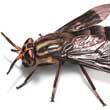
A little smaller than house flies, these insects emerge in the spring. They use their scissor-like mouthparts to open skin, so deer fly bites are rather painful.
Horse Flies
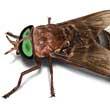
Like deer flies, these pests slice into the skin when they bite, which causes pain and swelling. The large size of a horse fly can also be daunting for some people. Due to their large size and the intensity of their bite, horse fly bites are often considered one of the most painful.
Do horse flies bite dogs?
While most fly bites are relatively harmless to dogs, high populations may result in multiple bites that could severely irritate a dog's skin. A group of flies that might bite dogs are known as horse or deer flies.
The horse fly's mouthparts account for their painful bite—while many small insects use a piercing proboscis to feed on the blood of other animals, the horse fly is equipped with a scissor like pair of mandibles. However, the irritation caused by the bite of a horse fly is not lasting.
Female horse flies feed on blood, while males seek nectar and sugary liquids. Horse flies tend to be active in warmer temperatures. Although constant breezes discourage biting flies, horse flies are relatively resilient against strong air currents due to their size.
Pets can injure themselves by scratching and attempting to dislodge the flies. If your pet experiences an open wound, flies may attempt to lay their eggs in this area. In the event of an infested wound, take your pet to the veterinarian immediately.
If your pet is constantly scratching itself due to fly irritation, keep it indoors during the warm, daylight hours when flies are most likely to feed. Short walks are fine, but do not leave your pet unsupervised. If flies are affecting your pet's ears, contact a veterinarian to discuss treatment options.
Black Flies

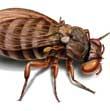
These insects love moisture and thrive around rivers or creeks. A black fly’s distinguishing feature is its humped back, when viewed up close or under a dissecting microscope. They generally make their homes in most parts of the United States, but are a particular nuisance in the northern part of America.
Stable Flies
Mainly found in late summer and early fall, these biting flies primarily feed on livestock. They look similar to house flies, but stable flies have a pointed mouthpart used to suck blood.
Snipe Flies
These pests are close relatives of deer flies. They typically live in damp places located in forested areas. Most species of snipe flies do not bite, but some do use their mouthparts to inflict irritating bites.
Sand Flies
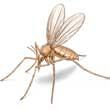
Physically similar to drain flies, this species preys on mammals and reptiles. An adult sand fly is less than 1/8 inch in length with long legs and wings that form a V shape. Sand fly bites are very painful.
Yellow Flies

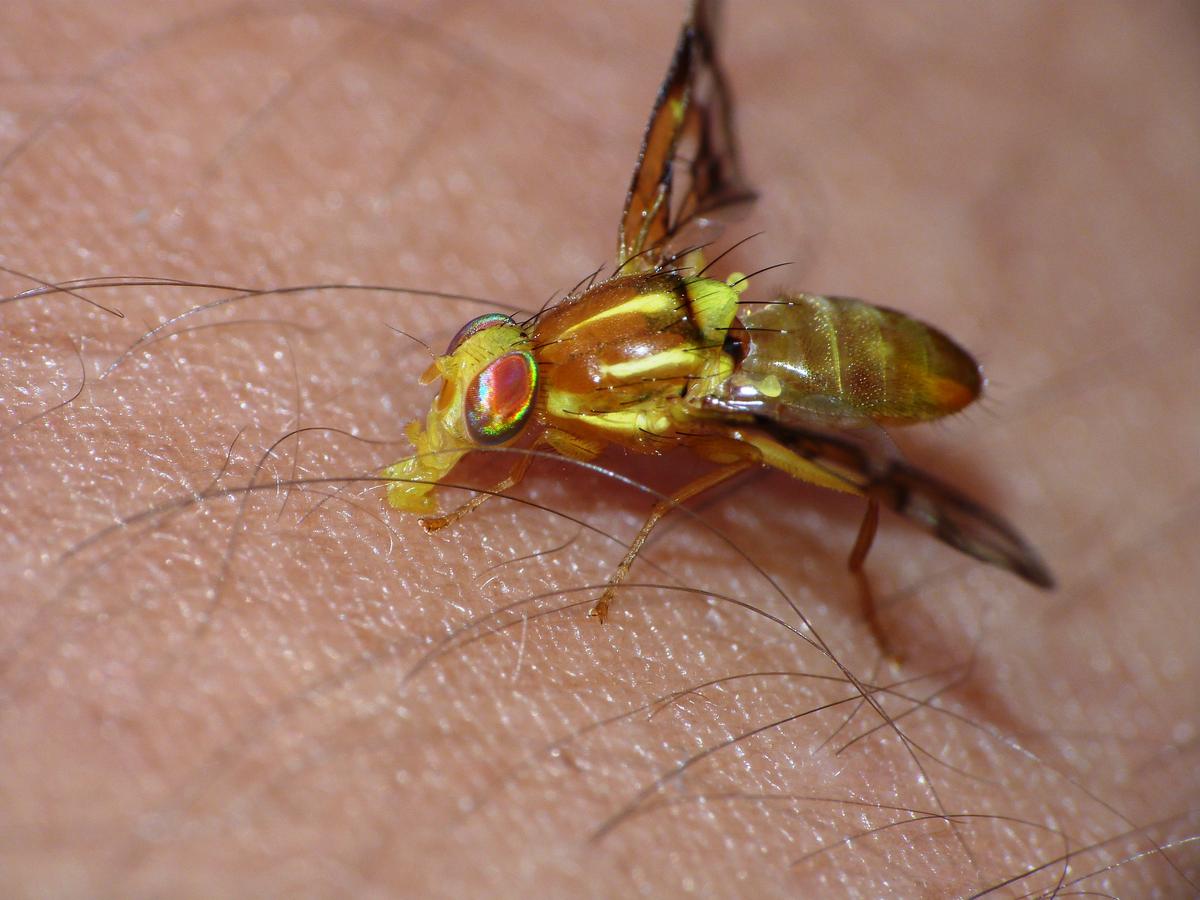
Yellow Fly
Found primarily in the southeastern U.S., yellow flies prefer shaded areas with both forests and bodies of water. A yellow fly bite results in localized swelling and itching.
Biting Midges
Since they rarely grow larger than 1/32 of an inch long, biting midges, also called no-see-ums, easily get into houses through window and door screens. This ability makes them one of the most pervasive flies that bite.
Biting midges are biting flies commonly found near the coast. Larvae thrive in mud and can sometimes be seen swimming freely in infested waters. Larval biting midges pupate at the water’s edge or on floating sticks and leaves. They breed in salt marsh areas. Biting midges are susceptible to air currents and emerge most commonly on still days.
Mosquitoes

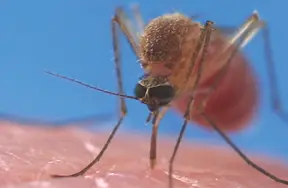
Mosquito Biting Human Hand
Perhaps the best known biting fly, the mosquito bites more people each year than most of the other species on this list combined and are the vectors of many diseases.
Problems Caused by Flies that Bite
In addition to the pain caused by bites, flies can trigger allergies for a number of people. Select species spread diseases to humans as well. Mosquitoes, for example, can transmit the West Nile and Zika viruses, while deer flies carry tularemia.
Even more types of flies that bite can attack livestock. In addition to spreading illnesses to the animals, fly swarms often affect the health of cattle or horses by causing constant agitation.
Getting Rid of Biting Flies
The best way to control biting flies is to remove the pests’ optimal breeding conditions. Mosquitoes need water to lay eggs, so emptying containers and other items around the yard after rainfall will curb their numbers. Other types of flies that bite may breed in rotting organic material, so prompt trash removal and cleaning of moist organic matter can help.
To deal with flies that bite, homeowners should contact Orkin. Skilled Pros can identify biting flies and provide safe, reliable fly control.