How Long do Bed Bugs Live?
Under ideal conditions, a bed bug can live for about 10 to 12 months. However, their ability to survive without feeding allows them to endure for extended periods. Understanding the bed bug life cycle is key to grasping how they can persist in an environment. The entire process from egg to adult can take as little as 21 days in warm conditions with a steady food source, or it can stretch to over four months in cooler temperatures. Let's explore the different stages of their development, from egg to adult.


Life Cycle Chart
Stage 1: Bed Bug Eggs

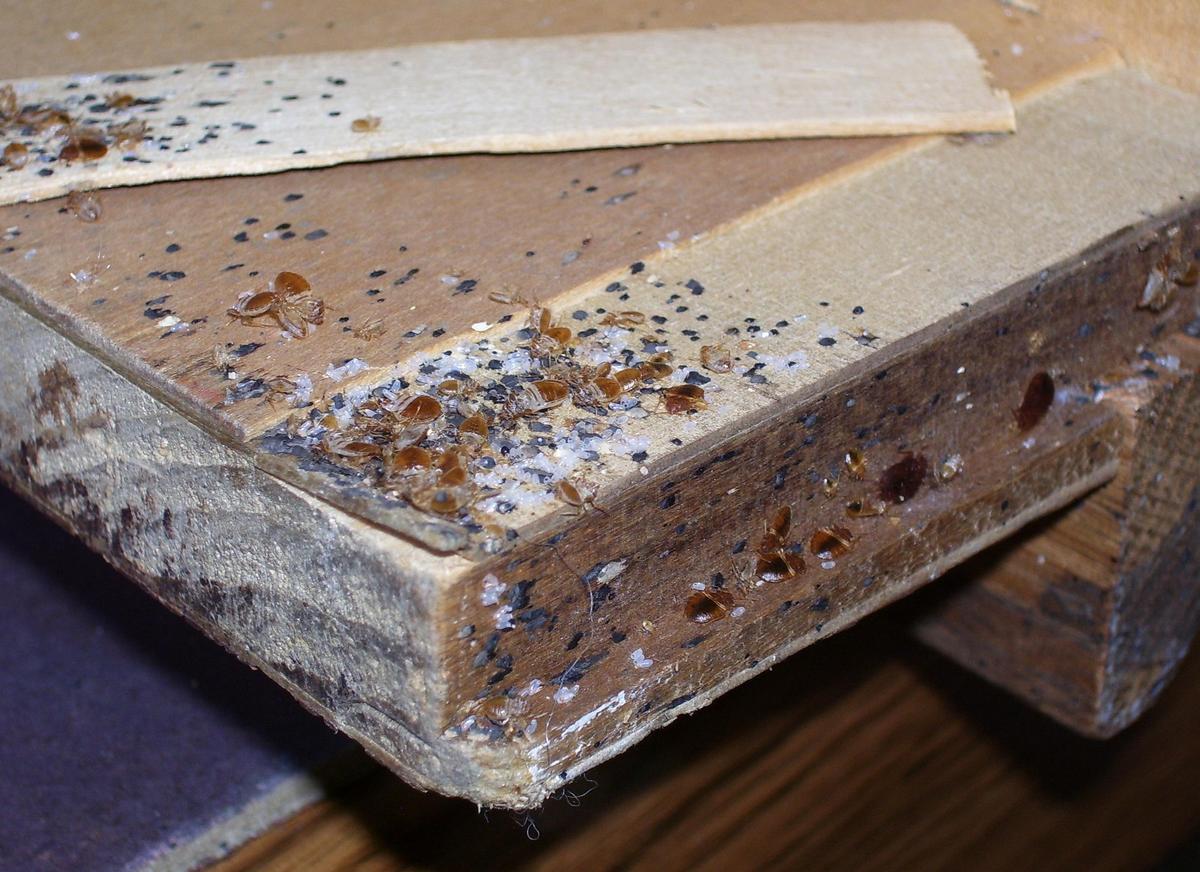
Bed Bugs and Eggs
A bed bug's life begins with an egg, grain like and milky white in color. Female bed bugs lay between one and five eggs each day and may lie up to 500 eggs within one lifetime. Eggs are laid singly or in clusters and are placed within tight cracks or crevices. The egg is approximately 1 mm in length and is comparable in size to two grains of salt. Within two weeks, eggs hatch and immature bed bugs begin immediately to feed.
Where do bed bugs lay eggs?
Females lay eggs in dark, hidden locations close to their food source (you). Common spots include mattress seams, box springs, bed frames, behind headboards, and inside furniture crevices. As an infestation grows, they may spread out to less obvious places.
How long is the bed bug gestation period?
The bed bug gestation period is relatively short. Eggs typically hatch in six to ten days, depending on the temperature. Warmer conditions speed up the process, while cooler temperatures can delay it. After about five days, a tiny eye spot may become visible on the egg, indicating it's close to hatching.
How many bed bugs are in one egg?
Each bed bug egg contains just one bed bug. Unlike cockroaches that lay egg cases with multiple nymphs, a single bed bug emerges from each individual egg.
Stage 2: Bed Bug Nymphs

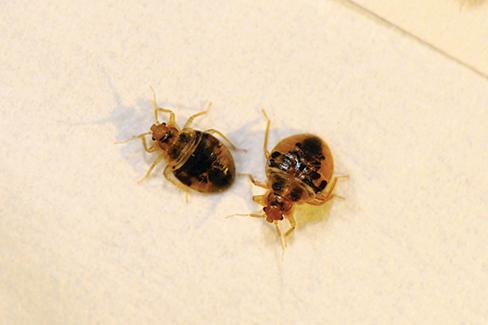
Bed Bug Nymphs
Once hatched, the young bed bug, called a nymph, immediately seeks its first blood meal. Nymphs look like smaller, paler versions of adult bed bugs and are nearly transparent, making them difficult to see.
To grow, a nymph must go through five molting stages, shedding its exoskeleton each time. A blood meal is required before each molt. With each feeding, the nymph grows slightly larger and darker. It takes about five weeks for a nymph to pass through all five stages and reach adulthood, assuming a steady food supply and room temperature.
Stage 3: Bed Bug Adults

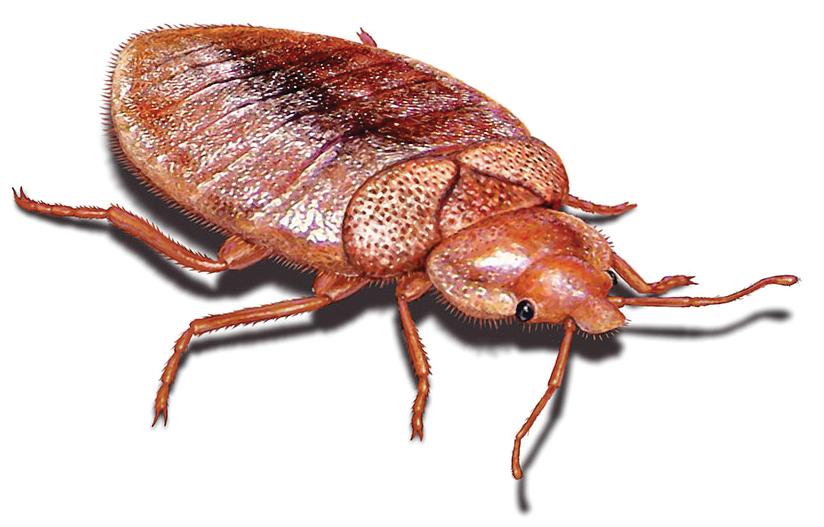
Magnified Picture of Adult Bed Bug
Once it reaches maturity, an adult bed bug is about the size of an apple seed (5-7 mm). It will feed about once a week, but it can survive for much longer without a meal if needed. Adult bed bugs are prolific breeders. A single female can lay hundreds of eggs, quickly leading to a full-blown infestation.
If you suspect a bed bug problem, it's important to act fast. Because they multiply so quickly and are experts at hiding, professional help is often the most effective way to eliminate an infestation. If you're seeing signs of bed bugs, contact your local Orkin branch to schedule an inspection.
More Information About Bed Bugs
Learn what Bed Bugs look like, and how to detect if you have a Bed Bug Infestation.
Find out how Bed Bugs infiltrate your home and where they are attracted to.
Learn about Bed Bug bites. their feces and how they can impact your health.
Learn how Orkin handles Bed Bugs, homeopathic cures and the cost of Bed Bug extermination services.

