Carpet Beetle Facts & Information
Protect your home or business from carpet beetles by learning techniques for identification and control.

Treatment
How do I get rid of carpet beetles?
What Orkin Does
Your local Orkin Pro is trained to help manage carpet beetles and similar pests. Since every building or home is different, your Orkin Pro will design a unique beetle treatment program for your situation.
Orkin can provide the right solution to keep carpet beetles in their place...out of your home, or business.
Frequently Asked Questions
Behavior, Diet & Habits
Understanding Carpet Beetles
Appearance
-
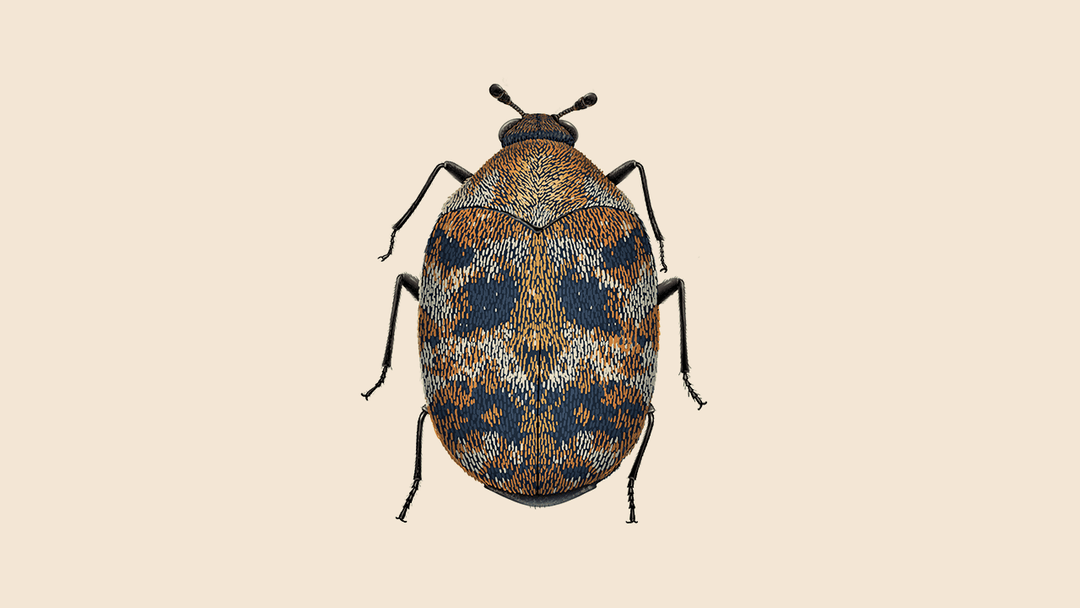
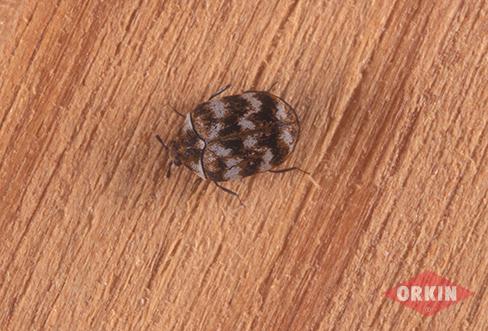
Length: Most species of carpet beetle measure 1 to 4 mm in length as adults
-
Body: Their bodies are oval-shaped.
-
Color: black, white and yellow patterned coloration. Some species of carpet beetle may also exhibit orange coloration.
-
Larvae: typically are light brown to black and covered in dense, sometimes barbed, hairs. Three distinct golden hairs are located upon the abdomen at this stage of development. They usually are slightly larger than the adult beetles and measure approximately 2.5 cm in length.

Diet
Adult beetles feed on seeds, plants, and flowers. Larvae, however, feed on a variety of animal and plant-based materials, including:
-
Animal hair
-
Felt
-
Fur
-
Leather
-
Silk
-
Wool
Habitat
Adult carpet beetles can live both indoors and out, but females prefer to lay eggs where larval food sources are abundant. These pests enter homes through doors, windows, and similar entrances. They can also be brought in by way of cut plants and flowers. Some live inside the nests of birds or other animals and can live in walls or chimneys, feeding on dead insects and animals.
Reproduction
In spring, female carpet beetles lay 25 to 100 eggs, which hatch into larvae within two weeks. Carpet beetle larvae are able to mature under a variety of humidity levels and temperatures, although they tend to avoid bright areas. Depending on food sources and climate, larvae may take over a year to develop into adults. As they develop, they shed their brown skins. Learn more about the carpet beetle lifecycle.