Dried Fruit Beetle Facts & Information
Protect your home or business from dried fruit beetles by learning techniques for identification and control.
Treatment
How do I get rid of dried fruit beetles?
What You Can Do
Check fruit during picking or while selecting it at the store. In the orchard, pick up any fruit that has fallen from the trees. If fruit is set aside for drying or canning, store it in sealed containers.
What Orkin Does
Your local Orkin Pro is trained to help manage dried fruit beetles and similar pests. Since every building or home is different, your Orkin Pro will design a unique beetle treatment program for your situation.
Orkin can provide the right solution to keep dried fruit beetles in their place and out of your home or business.
Frequently Asked Questions
Behavior, Diet & Habits
Understanding Dried Fruit Beetles
Appearance
-
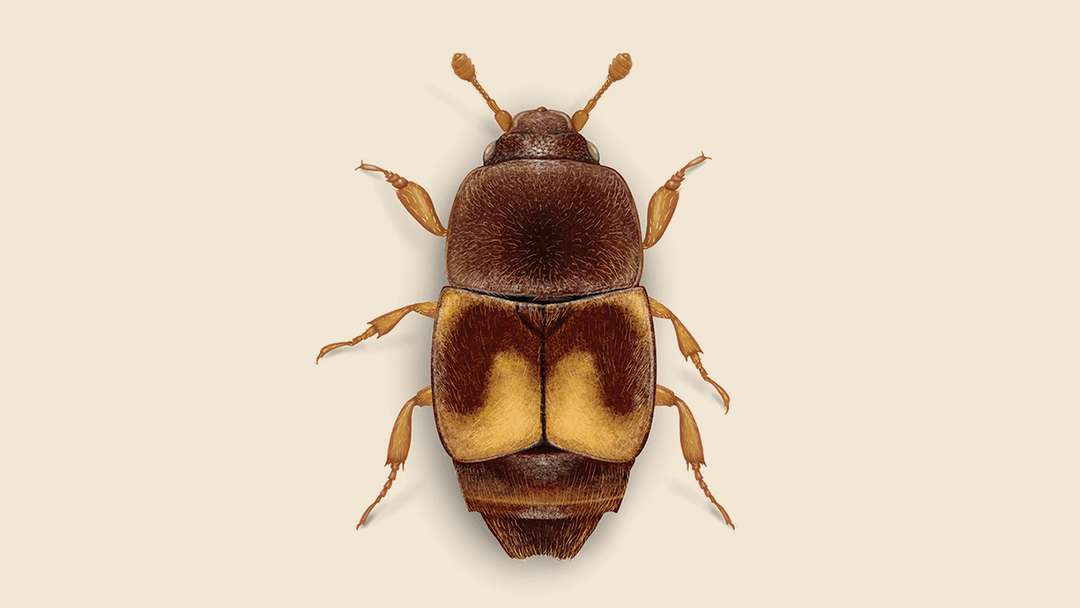
Size: Adult dried fruit beetles are small (3 mm long).
-
Body: They have oval shaped bodies with short wings that keep part of their abdomen exposed.
-
Color: These beetles are black with two amber colored spots on their wing covers. Their legs and antennae are often reddish or amber in color.
Behavior & Diet
Dried fruit beetles are stored product pests that are from the Nitidulidae family. They are also called “sap beetles” because of their attraction to plant juices. There are other sap beetles, including:
-
Corn sap beetles
-
Pineapple beetles
-
Yellow-brown sap beetles
Dried fruit beetles attack fresh, ripened fruit and dried fruit before it can be packaged and stored including:
-
Apricots
-
Bananas
-
Biscuits
-
Bread
-
Grains
-
Nuts
-
Peaches
-
Spices
Life Cycle
In an 80 degree environment, the life cycle of dried fruit beetles (from egg to mature adult) takes about 16 days. It is possible for these insects to have several generations per year.
Adults deposit eggs on fruit in trees or during harvest. When the larvae hatch, they burrow into the fruit.