Centipedes Facts & Information
Protect your home or business from centipedes by learning techniques for identification and control.
IDENTIFY
Types of Centipedes
What do centipedes look like?
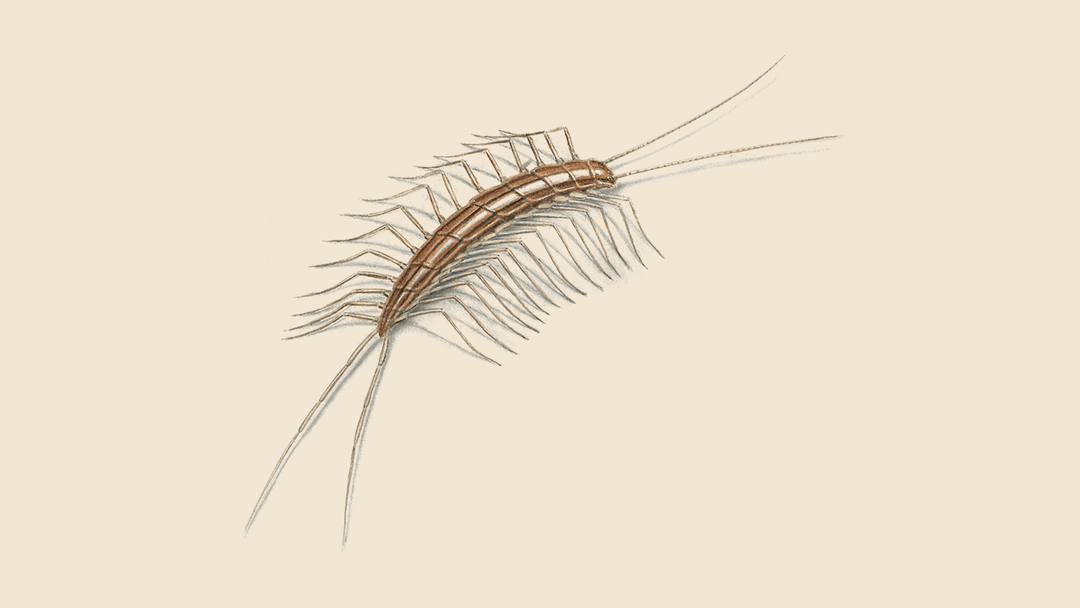
Centipedes are elongated, with flat, segmented bodies that contain a pair of legs per segment. They occur in several colors and patterns but most common are brown and reddish orange.

Treatment
How do I get rid of centipedes?
What Orkin Does
Centipedes are a diverse group of Arthropods with a range of behavioral characteristics. Therefore, when centipedes become a problem, the first thing to do is contact your local Orkin Pro and request an inspection.
Once the inspection is complete, your Orkin Pro will prepare a
centipede treatment program designed to control the centipede species causing problems. Centipede treatment usually involves both non-chemical and chemical control methods, but the treatment plan will emphasize finding where centipedes are located and how they are getting inside the home.
Some non-chemical treatments that may be included in the treatment plan include:
-
Moisture: Reducing moisture problems by repairing water leaks or using dehumidifiers
-
Clutter: Reducing clutter that provides centipedes with protection and a place to hide. Your exterminator will likely point out these places and recommend not allowing stored items to be stacked right up against the wall or rest directly on the floor.
-
Other pests: Reducing the number of insects and spiders that provide a food source for centipedes
-
Openings: Sealing holes, cracks, and gaps that enable outdoor centipedes, insects, and spiders to get inside a home
-
Vacuuming: Removing indoor centipedes with a vacuum
Generally, chemical control methods are used for temporary centipede control. If needed, your Orkin Pro will use insecticides in cracks, crevices, and other centipede harborage areas. If the centipede population is especially heavy outdoors, the plan may include chemical applications to the cracks or gaps in the foundation, in the crawl space, or the mulch around the house. For more help getting rid of centipedes and preventing infestations, contact your local Orkin branch today.
Frequently Asked Questions
Behavior, Diet & Habits
Understanding Centipedes
What do centipedes look like?
-
Size: They range in size from 4 to 152 mm, depending on the species.
-
Head: The heads of centipedes have a pair of long and sensitive antennae.
-
Claws: They have small mouths and have large, clawlike structures that contain a venom gland. Because most centipedes are carnivorous creatures that forage for food at night, they use their claws to paralyze their victims, such as worms, spiders and small vertebrates.
-
Legs: The name centipede, which means "100 legs," can be somewhat misleading: centipedes may have anywhere from 15 to 177 pairs of legs.
Where do centipedes hide?
Adult centipedes hide in moist, dark and secluded areas during winter. They place eggs in dampened soil during summer or spring. As centipedes become adults, they grow a complete set of legs and extra segments. Most centipedes live for more than a year and some up to six years.
Are centipedes nocturnal?
Centipedes may enter houses and buildings, but they do not roam during daytime. Centipedes are fast moving, agile, nocturnal animals. They hide in damp areas around bathrooms, closets, basements and other sites typically infested by pests.
What do centipedes eat?
Most centipedes are carnivorous and prey upon soft-bodied insects, spiders, worms and other arthropods, including other centipedes. Read more about what they eat.
Centipede Damage
Centipedes are not likely to consume wood. In actuality, arthropods commonly known as wood-eating centipedes are millipedes. While millipedes do closely resemble centipedes, millipedes are herbivores and detritivores, subsisting on dead and decaying plant material, including wood or cellulose material.
Do centipedes bite?
Centipedes are venomous. Their venom allows them to attack prey and defend themselves against predators and other natural enemies. Centipede venom is not normally life endangering to humans, although the bite can be painful.
Lifespan of Centipedes
Provided that they are able to escape from predators and that their surroundings are conducive to survival, centipedes can live as long as six years. Among arthropods, this lifespan is considered longer than many.
Do centipedes have eyes?
While some centipedes have compound eyes containing as many as 200 optical units, others do not have eyes. All centipedes have very poor eyesight and track their prey through the use of touch and smell.
More Resources
Dig Deeper on Centipedes
Centipede Biology
Centipede bites can be painful but aren't usually fatal.
How Many Legs Does a Centipede Have?
Even though their name translates to "100-footed," many centipedes don't have 100 legs.
What is the Difference Between Centipedes vs. Millipedes?
Although centipedes and millipedes have similarities, there are a few differences in their habitats and diets.
Centipede eggs can be hard to find because they're usually deposited in the soil.
Centipedes are dormant during the winter and mate during warmer months.
Centipedes capture their prey, which is usually insects and small animals, by paralyzing them with venom.
Centipede and Millipede Predators
Centipedes and millipedes are prey to birds, toads, and badgers.
How to Identify Centipedes
Types of Centipedes in North America
The most common types of centipedes in North America are desert centipedes and house centipedes.
Centipedes are known for their flattened, elongated bodies.
Centipede Facts
Centipedes generally aren't dangerous but can cause problems when living close to humans.
Signs of Centipede Infestation
Centipede infestations can occur in places with excess moisture, like crawl spaces and basements.
Homeowners may find centipedes in damp spaces, like shower drains.
The best ways to keep centipedes away are to prevent water buildup, keep bright lights on, and to contact an Orkin Pro for help with centipede control.
How Do Centipedes Get in the House?
Centipedes can enter homes through cracks, holes, and openings between doorframes.
Centipedes are attracted to environments that provide protection and food.
How Do I Control House Centipedes?
Centipedes a generally not harmful to humans but can look scary at times. Find tips on removing these pests.