Cat Flea Facts & Information
Protect your home or business from cat fleas by learning techniques for identification and control.

Treatment
How do I get rid of cat fleas?
What Orkin Does
Since the immature stages of fleas are very cryptic by nature, cat flea control is a job for your pest management professional (PMP) and your veterinarian, if you have pets. While your vet will advise you about using flea control and prevention products for your pets, your PMP will provide suggestions and advice for preventing the pests from getting inside your home. They will describe what to do if a non-pet animal is the source of the flea problem. They will also provide a scheduled, follow-up inspection to access the results of your flea control program.
Your local Orkin Pro is trained to help manage cat fleas and similar pests. Since every building or home is different, your Orkin Pro will design a unique flea treatment program for your situation.
Orkin can provide the right solution to keep cat fleas in their place…out of your home, or business.
Frequently Asked Questions
Behavior, Diet & Habits
Understanding Cat Fleas
Appearance
-
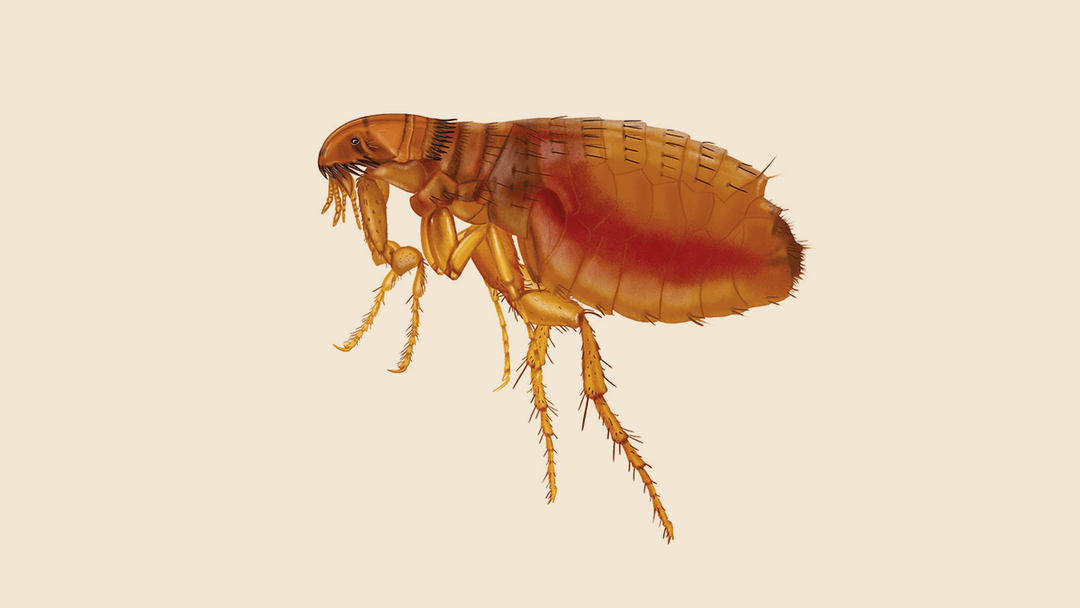
Size: Adult cat fleas are about ¼ inch long.
-
Color: Cat fleas are small, dark brown to black insects whose bodies are hardened and look compressed when viewed from side to side.
-
Body: They are wingless and do not fly, but have strong hind legs that they use to jump. Their mouthparts are designed to pierce the skin of their host and suck blood. While not seen unless using a microscope or dissecting scope, adults have spines on and near the head.
Diet
Cat flea larvae do not consume blood. Rather, they feed on almost any kind of organic debris that is located where they dropped. Their main source of nutrition is dried adult fecal matter (flea dirt) that is made up of undigested, dried blood that falls from the host animal to areas where the larvae live. Common hosts for adult cat fleas include dogs and cats, plus outdoor animals such as:
-
Foxes
-
Opossums
-
Raccoons
-
Skunks
Geographic Range
The cat flea’s distribution is worldwide and is the most commonly found flea species within the United States.
Life Cycle
The cat flea’s life cycle is one of complete metamorphosis:
-
Egg stage
-
Larval (grub) stage
-
Pupal (cocoon) stage
-
Adult stage
Egg Stage
Cat flea eggs are oval-shaped and only about 1/50 inch in diameter. Larvae that hatch from the flea eggs are about 1/20 to 1/5 inch long and look like very small grubs.
The pupal stage has a silken cocoon that is prepared by the larvae and looks like it has a sticky outer surface of dirt and debris attached to the pupal covering. As one might expect, they are very difficult to see since the silk covering gives them a camouflaged appearance.
Larval Stage
About two days after the eggs are laid, the larval stage hatches. This "worm-like" stage lasts about 5-15 days before the larvae become pupae. In general, the preferred places for larval development are locations that are protected, dark, and where the relative humidity is at least 75 percent and the temperature is 70 to 90°F. Therefore, fleas do not survive outdoors in open, sunny locations where vegetation is kept mowed close to the ground and the lawn is "sun drenched" for example.
Pupal Stage
The pupal stage provides protection for the developing adult. Whenever the presence of vibration or an increase in host carbon dioxide and body heat occurs, the adult is stimulated to emerge from the pupal case. Upon emerging, the adult flea almost immediately hops onto a passing host and begins taking a blood meal within about 24-48 hours.
This behavior explains why sometimes homeowners who own pets are greeted by hungry, hopping fleas upon returning home after a vacation or other extended absence. However, should the environmental conditions not be right for emergence, the pupal stage is extended for months or even longer before the adult emerges and seeks out a host.
Adult Stage
Adults are the only stage that lives on the host, and the female adult cat flea must have a fresh blood meal in order to produce a new batch of eggs. After the female flea lays eggs on the host, the tiny eggs fall from the host onto locations such as:
-
Areas where pets or wild animals reside
-
Behind or under furniture
-
Carpets
-
Inside cracks and grooves in the floors
-
Pet bedding
Reproduction
Flea reproduction takes place indoors year-round, but outdoor reproduction is limited to warm-weather months and locations that fall within the preferred humidity and temperature.
Lifespan
The cat flea’s life cycle usually lasts from about 1 to 2 1/2 months and depends on the temperature and humidity of their habitat.