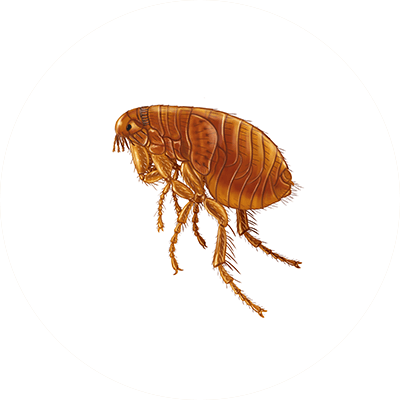
Flea Bites On Humans
What do flea bites look like?
Flea bites typically appear as small, red, raised welts on the skin. They often cluster in groups, especially around the ankles, legs, and waist. The bites can be very itchy and may cause discomfort. In some cases, a person may develop an allergic reaction, leading to more pronounced swelling or rash. If you notice these symptoms, it's important to address any potential flea infestations in your home or on pets.

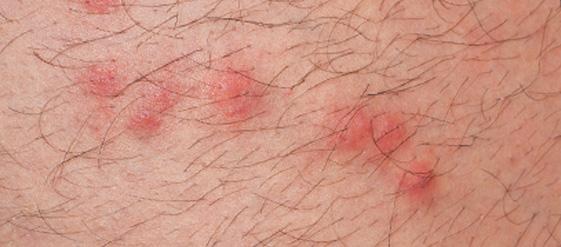
Flea Bites on Human
Are there different types of fleas?
-
Dog Fleas: Dog fleas are small, brown parasites that primarily infest dogs but can also bite humans and other animals. They feed on the host's blood, causing itching and discomfort, and can lead to skin infections or allergic reactions.
-
Cat Fleas: Cat fleas are the most common fleas found on cats, but they can also affect dogs and humans. They are similar in appearance to dog fleas and can cause itching, skin irritation, and potential transmission of tapeworms if ingested. Both types thrive in warm, humid environments, making prevention and control essential.
Many wildlife species carry fleas as well. If these animals are associated around ones in the home, fleas may migrate to pets and humans. Be aware that other causes may result in human skin irritation, including other pests, allergic reactions to medications or even ingrown hairs.
Flea Saliva
In some pets flea saliva can cause allergic reactions such as Flea Allergy Dermatitis, and increased scratching can result in hair loss and secondary infections. In more severe cases, affected pet skin thickens and sores appear.
Where do fleas come from?
With the ability to jump nearly 150 times their own height, fleas can easily hitch a ride from place to place. While they’re able to attach themselves to clothing, bedding, furniture, or pet toys, fleas are highly attracted to warm-blooded mammals with fur, such as livestock or pets. Fleas on dogs or cats can transport themselves inside your home by grabbing onto a pet’s fur as they play outside or cross paths with another infested pet.
Fleas that feed on blood are attracted to animals, as their blood is needed in order for a female flea to produce healthy eggs. Fleas on cats or other pets that enjoy time outdoors are common, since fleas await future hosts by patiently sitting in cool, shady places such as under trees in yards, or inside kennels and dog houses.
To help prevent your pet from getting fleas and minimize the chances of encountering flea bites on humans, make sure to keep up with flea treatment—especially during the summer months or if your pet is spending time at a doggy daycare or dog park.
How to Treat Fleas on Your Pet
You should be sure to consult a veterinarian before beginning any treatment of your pet’s flea bites.
-
bathing your pet with specially formulated shampoos can help
-
cold water alleviates inflammation
-
warm or hot water exacerbates itching
If these treatments fail, your veterinarian may request to see your pet to determine next steps. Steroid creams and antihistamines are available by prescription and may help to alleviate your pet’s symptoms.
Can humans get fleas?
Humans can get fleas. Once fleas invade a house they can bite both pets and humans. If you are the victim of a flea bite here is what you can do:
-
wash the bite
-
use an antiseptic and apply an icepack
-
resist the urge to scratch
-
lotions maybe used to treat the itch
-
consult a pharmacist about antihistamines
Should your bite wounds excrete puss, contact your doctor immediately.
Treating flea bites merely addresses one symptom of an infestation. Extermination methods should be conducted in conjunction with bite treatment in order to ensure eradication. Contact your local pest control expert to discuss options.
How to Get Rid of Fleas
Keeping fleas out of your home can be an ongoing process. Orkin Pros are trained to address any current flea infestation, as well as implement solutions to help prevent future issues.
As with most pest control and management, it’s best to rely on a trained Orkin Pro to help get rid of a flea infestation. The most effective flea treatment and control methods are conducted with the assistance of an Orkin Pro. Since every home is different, an Orkin Pro can perform an inspection and design a unique treatment program suited to your specific needs.
To learn more about how to treat flea bites or how to get rid of fleas and protect your home, contact your local Orkin branch.