Sand Flea Identification and Control
Protect your home or business from sand fleas by learning techniques for identification and control.

Treatment
How do I get rid of sand fleas?
What You Can Do
In order to properly determine the pest and the threat, it is important to have the culprit identified, so it is best to collect the pest and have it identified. Contact an Orkin Pro to discuss treatment and control methods.
What Orkin Does
Sand fleas usually stay around the beach area and like to stay in the sand. If you haven’t been to the beach recently, your local Orkin Pro can help you determine what the potential pest is and provide the right solution for treatment.
Frequently Asked Questions
Behavior, Diet & Habits
Understanding Sand Fleas
The term sand flea is used to describe many species of animals.

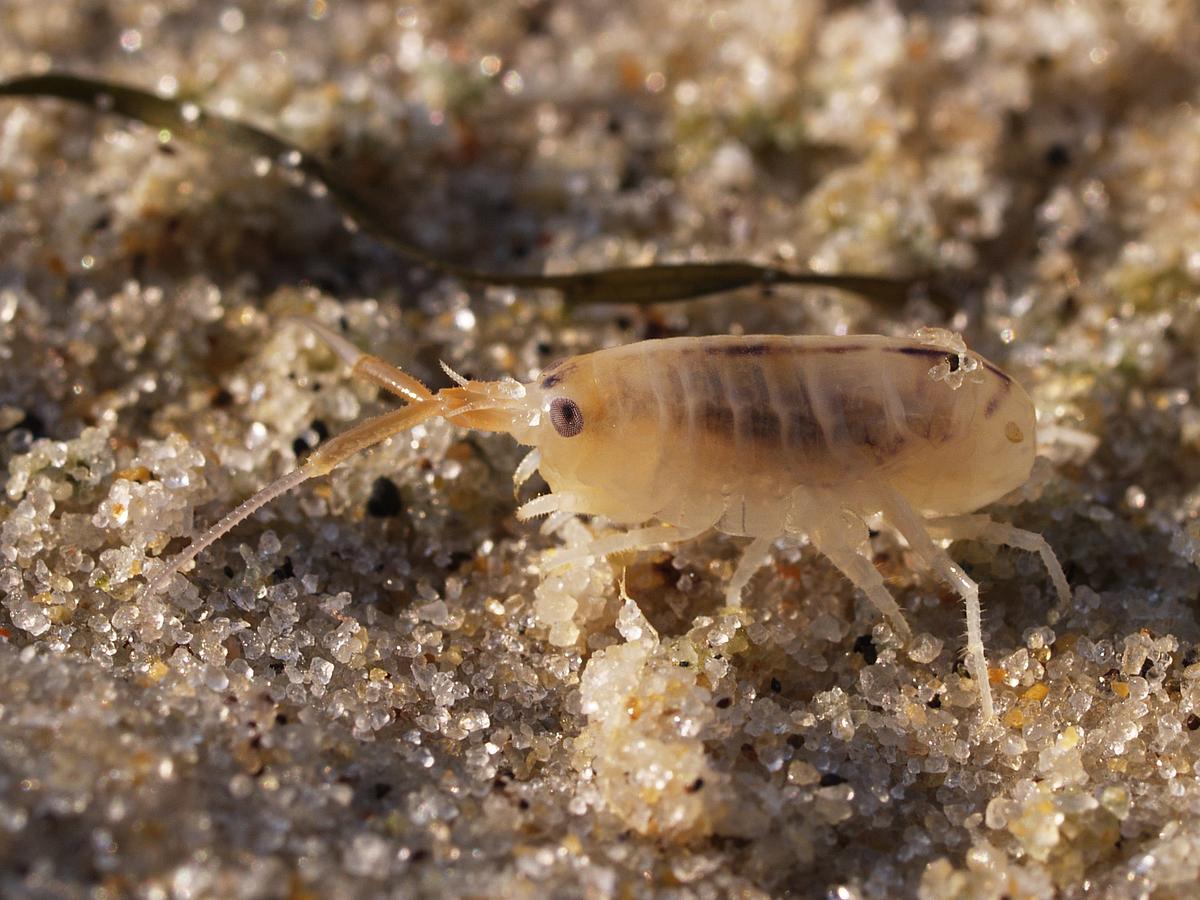
Magnified Sand Flea Image
What are sand fleas?
The colloquial name “sand flea” describes a creature that isn’t an insect at all but is a crustacean in the family Talitridae that lives in sandy areas under rocks and vegetation debris and causes no harm to humans or pets. In some areas, they are called beach fleas or sand hoppers instead of sand fleas.
What do sand fleas look like?
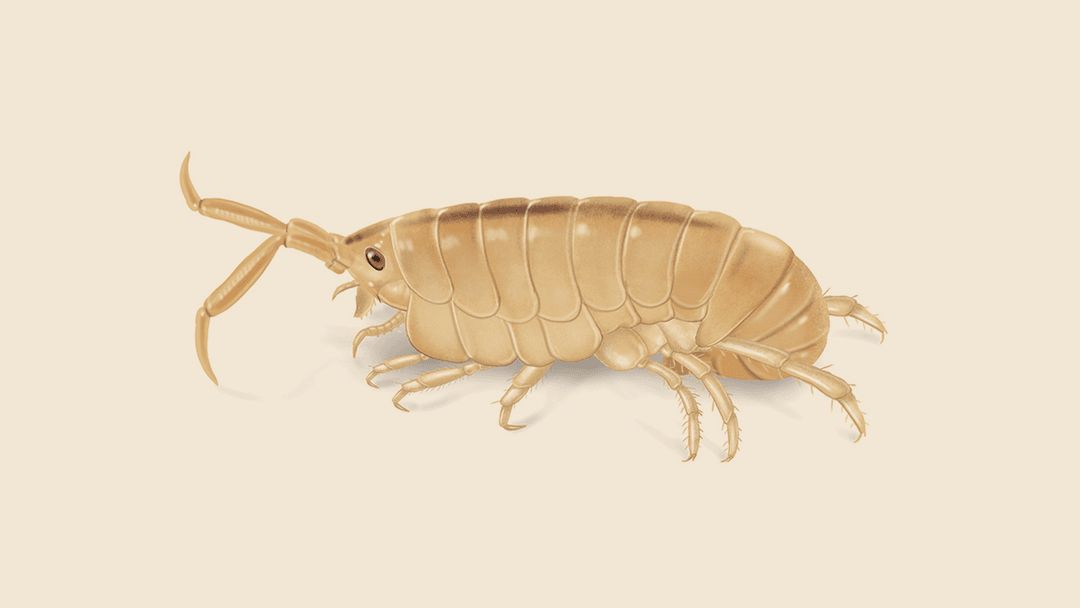
Sand fleas that live around beaches are tiny crustaceans that are typically about ¼ inch long. Their coloration varies from gray, brown or tan, much like the color of the sand they populate. Sand fleas possess several pairs of legs, and relatively long, thick antennae. Also, sand fleas have two forked appendages that protrude from the back of their body.
Where do sand fleas come from?
Sand fleas are generally encountered on beaches along coastal areas of the U.S. near the high-tide mark, plus inland coastal marshes. They are most active at night when they’ll emerge to forage for food. During the day, they’ll stay buried in the sand unless disturbed by beach activities. They mostly live in water, but some species are terrestrial and live in damp areas where they feed on rotting organic matter.
Can sand fleas bite?
Sand fleas resemble fleas since they jump like fleas, which may be how they got their mistaken common name, not because they bite people. So, what is the only similarity between true fleas and this small, sand-loving crustacean? Their jumping abilities.
Are sand fleas dangerous?
Sand fleas are not dangerous but often are thought to be since many people confuse sand fleas with biting gnats and biting midges in coastal areas. The bites from these gnats and midges leave welts on the skin. Sand fleas are predators of small marine animals, but they do not bite humans or pets.
Can you bring sand fleas home?
Sand fleas prefer to stay in their sand beach environment, so it’s unlikely that you’d bring a sand flea home with you. Finally, sand fleas are most active during the nighttime which is not when most beachgoers are involved in beach-related activities.
Pests Mistaken for Sand Fleas
A commonly held misconception is the itchy bites and welts received at beaches, marshes, and other coastal areas come from sand fleas; however, these bites are from biting fly insects commonly called sandflies and are blood feeders classified as belonging to the insect fly family Psychodidae.
Another organism that could be confused with sand fleas is the Jigger flea (Tunga penetrans), which can burrow into human skin. But this insect is not a problem unless travel takes one to the Caribbean, Central and South America, plus parts of Africa and India.
More Information
It is highly unlikely that a sand flea followed you home from the beach but you can learn more about actual fleas and preventative measures below.
Are cat fleas and dog fleas the same?
Fleas found on dogs are actually a different species than those found on cats.
If they are removed from an animal, cat fleas will often bite humans.
Flea bites result in itchy, uncomfortable spots, and can even cause allergic reactions in pets and humans.
Flea bombs are largely ineffective at getting rid of flea infestations since they do not address fleas that are hiding or on indoor animals.
A flea's life cycle is divided into 3 cycles: egg, larval and pupal stages.
The first step to identifying a flea infestation is to look for visible fleas on your pet or in your home.
Fleas are small, brown, insects that move by jumping long distances between hosts.