How to Detect Signs of a Flea Infestation
Identifying a flea infestation can often be simple, while eradicating their population proves much more difficult.
Check your pets
Observe your pet's behavior as a first step:
-
scratching - if your pet is scratching excessively, examine the fur.
-
skin & hair - infested animals have reddened skin and may lose hair
-
dogs - the hind quarters of dogs are most commonly targeted
-
cats - and the head and neck of cats are most commonly targeted
Fleas can be seen
If insects can be seen visibly moving between hairs, or if red and black droppings are present on your pet's skin, contact your veterinarian to discuss flea treatment options.
Scratching
If no insects are present but scratching persists, your veterinarian can also help identify other skin conditions which may be causing your pet's discomfort.
What to look for:
-
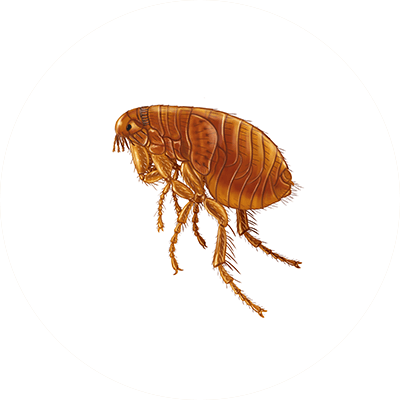
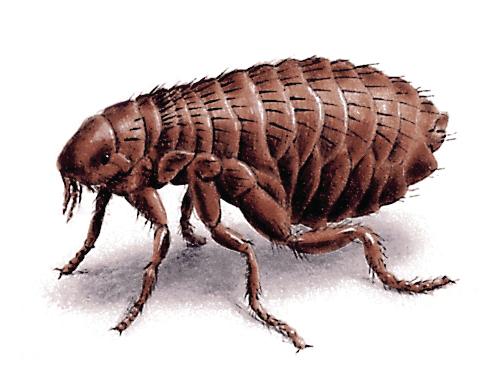
length - fleas are approximately 2.5 mm in length.
-
shape - Their bodies are flat and without wings.
-
legs - They have six long legs
-
jumping - are long and assist them in jumping great distances.

Locating fleas in your pet's fur does not reveal the true extent of the infestation. Eggs, larvae and pupae will also thrive within your home or yard and are difficult to see.
Flea larvae are dirty-white in color and measure 3 to 5.2 mm in length.
Sanitation
Upon identifying an infestation, clean your home thoroughly and treat your pet with veterinarian-recommended products. Linens and pet beds should be washed.
Contact your local pest control expert to discuss customized solutions for your home and extermination options.