Jerusalem Cricket Facts & Information
Protect your home or business from Jerusalem crickets by learning techniques for identification and control.

Jerusalem Cricket Treatment
How do I get rid of Jerusalem crickets?
What You Can Do
Most prevention of Jerusalem crickets can be done outdoors.
-
Clean Up Debris - Remove rocks, lumber, logs and woodpiles where they might hide.
-
Close Entryways - Make sure exterior doors close tightly.
-
Repair Weather Stripping - Replace weather stripping that is missing or damaged.
-
Mulch - Move mulch a few inches away from the foundation to make a “dry zone.”
-
Lawns - Set sprinklers to come on in the morning so grass and flowerbeds will dry during the day.
What Orkin Does
Your local Orkin Pro is trained to help manage Jerusalem crickets and similar pests. Since every building or home is different, your Orkin Pro will design a unique pest control program for your situation.
Orkin can provide the right solution to keep Jerusalem crickets in their place and out of your home or business.
Frequently Asked Question
Behavior, Diet & Habits
Understanding Jerusalem Crickets
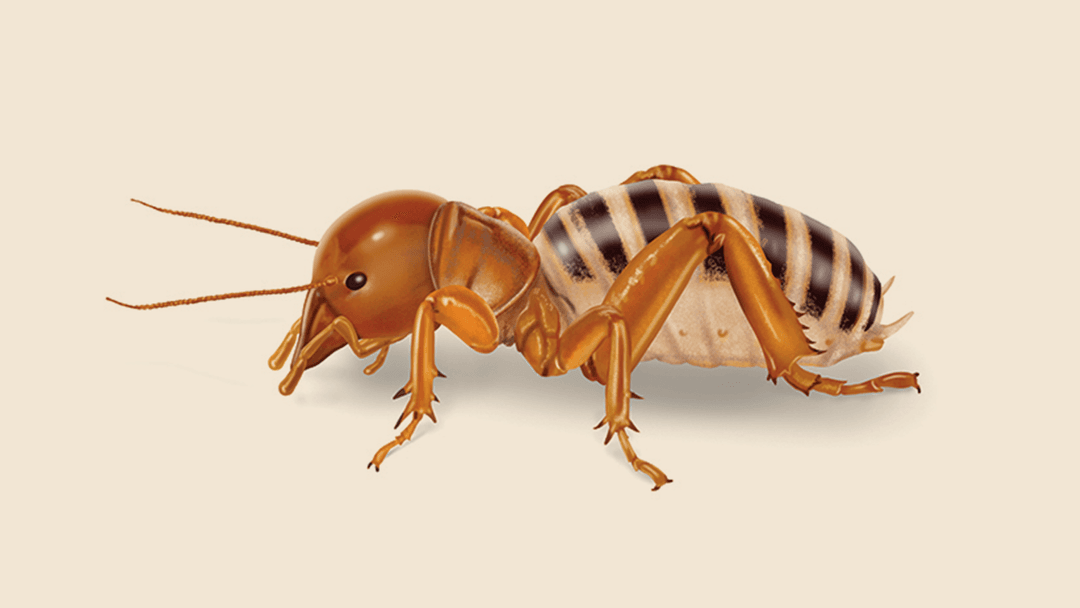
What do Jerusalem crickets look like?
-
Size: They are large insects and can be up to 50 mm long.
-
Color: Jerusalem crickets are yellow to brown in color.
-
Body: They have large heads and beady black eyes. From the front they appear to have a small face.
-
Characteristics: In Spanish, they are often called el niño de la tierra—the child of the earth. They have also been called “the old bald man” and the potato bug. These insects do not have wings, so they move around by hopping. They do not chirp like house or field crickets. The sounds they make have been compared to scratching or hissing sounds.
Where do Jerusalem crickets live?
The ideal environment for these insects are gardens or flowerbeds. During the day, Jerusalem crickets seek out dark places to hide under rocks or logs, but they are mostly active at night. In extremely hot, dry seasons, these insects may move into homes. They are most likely to be found in the western parts of the United States and parts of Mexico. They are native to the desert southwest, the western states, and along the Pacific coast.
What do Jerusalem crickets eat?
The primary foods Jerusalem crickets eat are:
-
Crops
-
Insects
-
Roots
-
Tubers
Jerusalem Cricket Life Cycle
Jerusalem crickets have a low rate of reproduction, so large infestations are rare. They do not reproduce or infest indoors.
Jerusalem Cricket Eggs
Females may kill and consume the male after mating. She then lays 3 mm eggs in burrows.
Jerusalem Cricket Nymphs
Nymphs hatch and go through a series of molts until adulthood.
Adult Jerusalem Crickets
The average time to become an adult from egg is around two years.
More Jerusalem Cricket Facts
Jerusalem crickets use their abdomens and legs to hiss and drum as a form of communication.