Mayfly Facts & Information
Protect your home or business from mayflies by learning techniques for identification and control.

Treatment
How do I get rid of mayflies?
What You Can Do
Most people want to prevent mayflies from coming into the home. To keep mayflies out, start by inspecting the outside of the building to find any openings that might allow them to get inside. Make sure screens are repaired on windows. Check exterior doors to be sure they close tightly.
A vacuum that has a HEPA filter can quickly remove mayflies that get inside. A broom and dustpan are also handy tools for removing mayflies.
It is advisable to call our Orkin Pros for a pest inspection and evaluation. They will be able to provide advice for pest-proofing the home and getting rid of mayflies and other pests.
Behavior, Diet & Habits
Understanding Mayflies
What do mayflies look like?
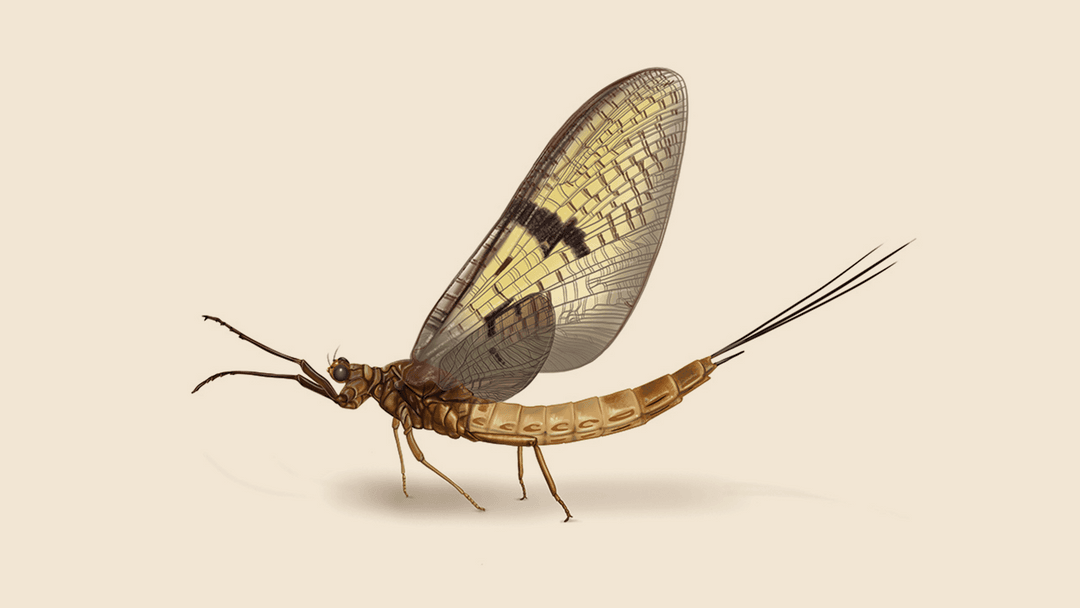
They have two pair of wings, so they are not related to house flies or other true flies. Flies have only one pair of wings. There are many species of mayflies. They are very slender insects. Some mayflies are very small—1 mm long. Others are longer—up to 30 mm long. The color varies, but many have dark bodies. The wings are pale. The wings may be yellow, gray or even clear. Mayflies hold the wings together above their body when they are resting. Mayflies are aquatic insects.
Where do mayflies live?
Mayflies are also called shadflies and lake flies. They are aquatic insects. They are attracted to light. They become a nuisance to people when they gather at night near doorways of homes and businesses. They sometimes gather in large numbers. Mayflies are members of the insect order Ephemeroptera.
How long do mayflies live?
Adult mayflies live a very short time. The males die after mating. Females die after laying their eggs. Shed skins and mayfly bodies dry out and crumble easily.
Life Cycle of a Mayfly
Female mayflies lay eggs in water. They prefer clean, fresh water. When the eggs hatch, the mayfly larvae (nymphs) live near the water source's bottom and feed on organic material. Fish and other insects eat these nymphs.
When the nymphs are mature, they leave the water. They spend a day or two drying off and shedding their skin. They then fly away to mate and lay eggs.
Are mayflies attracted to light?
Mayflies are attracted to light. They gather in large numbers around homes and commercial buildings. Making the building less attractive to mayflies by changing its light sources is the first step in controlling a mayfly problem. Porch lights can be changed from white bulbs to yellow bulbs; they may also need to be moved away from the building. Consider reducing the light that shines from windows to avoid attracting mayflies at night. Insect light traps that use UV light may help attract mayflies away from the building.