Mosquito Larvae
Where Can You Find Them?
Mosquito Larvae in Water
Mosquito larvae live in water until they pupate and develop into adult mosquitoes. The larvae of most species use siphon tubes for respiration; however, some larvae cling to plants to access air supplies. They consume microorganisms and organic matter in water.

Identifying Mosquito Larvae
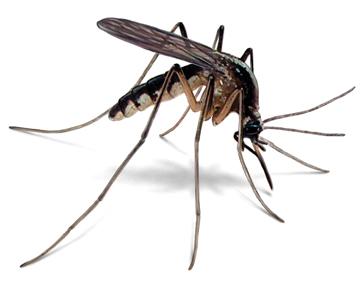
Mosquito larvae may be as large as about 5 mm and can be clearly visible in water. Larger larvae are located closer to the water’s surface. Mosquito larvae are extremely sensitive and will submerge for protection if they sense disturbance.
Control and Removal
Mosquito control involves eliminating existing infestations and preventing reinfestation through the eradication of larval populations. In order to control mosquito larvae, regular inspections of possible breeding sites must be conducted.
Because mosquito larvae cannot survive away from water, areas affected by an infestation should be combed for water sources. Water that has been stagnant for three days is a prime habitat for mosquitoes.
Some species require minimal amounts of water to thrive. Even sources such as birdbaths are potential breeding sites. Chemical or bacterial larvicide treatment may be necessary in areas where larvae are found.
Contact an Orkin Pro for a free pest control estimate to help with your mosquito problems. Mosquito treatments can also help remove other pests such as spotted lanternflies, which are harmful to the landscape and very invasive.