Moth Facts & Information
Protect your home or business from moths by learning techniques for identification and control.
IDENTIFY
Types of Moths
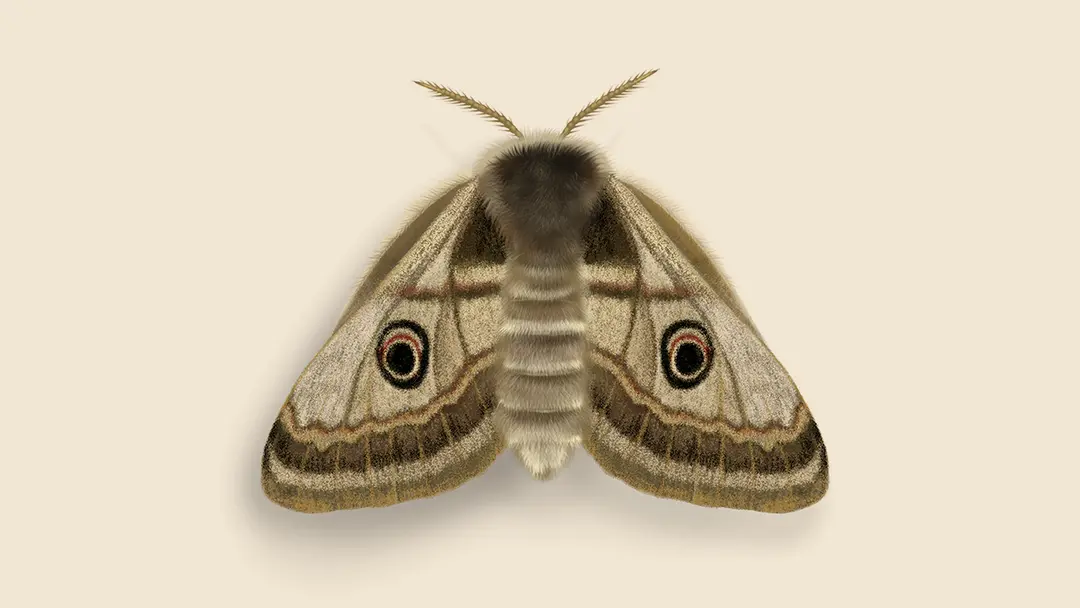
What do moths look like?
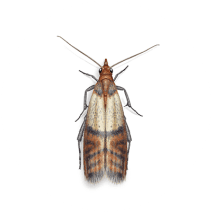
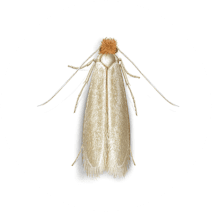
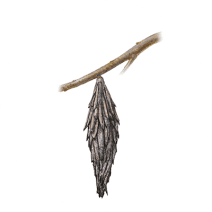
Moths vary dramatically in appearance and size depending on the species. Some are massive and others tiny. Moths typically have two pairs of wings covered in scales, a coiled proboscis, and large compound eyes. Certain species of moths are brilliant with metallic colors while other are drab in browns or grey. Most indoor infesting moths are smaller than 2 cm wingspan and often are shades of grey or brown to reddish brown.





Treatment
How do I get rid of moths?
What Orkin Does
Orkin Pros are trained to help manage moths and similar pests that invade homes. Since every yard or home is unique, your Orkin Pro will design a special moth treatment plan for your situation.
A moth treatment plan would include the following:
-
Inspection & Treatment Plan
-
Customer Education
-
Monitoring
-
Habitat Reduction & Non-Chemical Treatments
-
Insect Growth Regulators
-
Chemical Control
The use of common pesticides is not advised in treating a moth infestation. The most effective solution for indoor infesting moths is to identify the moth and the breeding materials. Once found, the breeding materials should be addressed according to the item.
Frequently Asked Questions
Behavior, Diet & Habits
Understanding Moths
Behavior, Diet & Habits
Moth behavior, diet and habits are as varied as their appearance. They range from beautiful pollinators to sneaking blood feeders. Some moths are major agricultural pests, while the majority complete their life cycle with no significant direct impact on man. They often are the food source for many animals, including birds, mammals, reptiles, amphibians, insects, arachnids and even some plants. Indoors, homeowners most likely encounter moths that are either feeding on stored pantry items or on fabrics.
Damage Caused by Moths
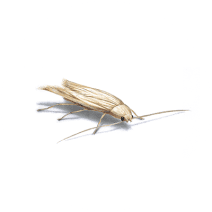
Although they are most famous for their ability to ruin wool clothing, webbing clothes moths are also attracted to a variety of other natural materials, including silk, hair, felt, fur and feathers. These moths tend to measure 2.5 to 5 cm in length and are buff colored.Webbing clothes moth larvae, not the adults, are responsible for destroying clothing. They prefer animal-based fabrics. Moths may consume sweaters, coats, blankets, carpets, decorative items, comforters, pillows and toys. They prefer not to feed on synthetic fibers, but will consume blended and stained fabrics.
Where do they hide?
They avoid light and are most commonly found in dark locations such as basements, attics and closets. Within these locations, moths can be found in the folds of fabrics or hiding in corners.