Black House Spider Facts & Information
Protect your home or business from black house spiders by learning techniques for identification and control.

Treatment
How do I get rid of black house spiders?
What Orkin Does
Orkin Pros are trained to help manage house spiders. Since every building or home is unique, your Orkin Pro will design a special spider treatment program for your situation.
Keeping spiders out of homes and buildings is an ongoing process, not a one-time treatment. Orkin’s exclusive A.I.M. solution is a continuing cycle of three critical steps — Assess, Implement and Monitor.
Orkin can provide the right solution to keep spiders in their place...out of your home, or business.
Frequently Asked Questions
Behavior, Diet & Habits
Understanding Black House Spiders
Appearance
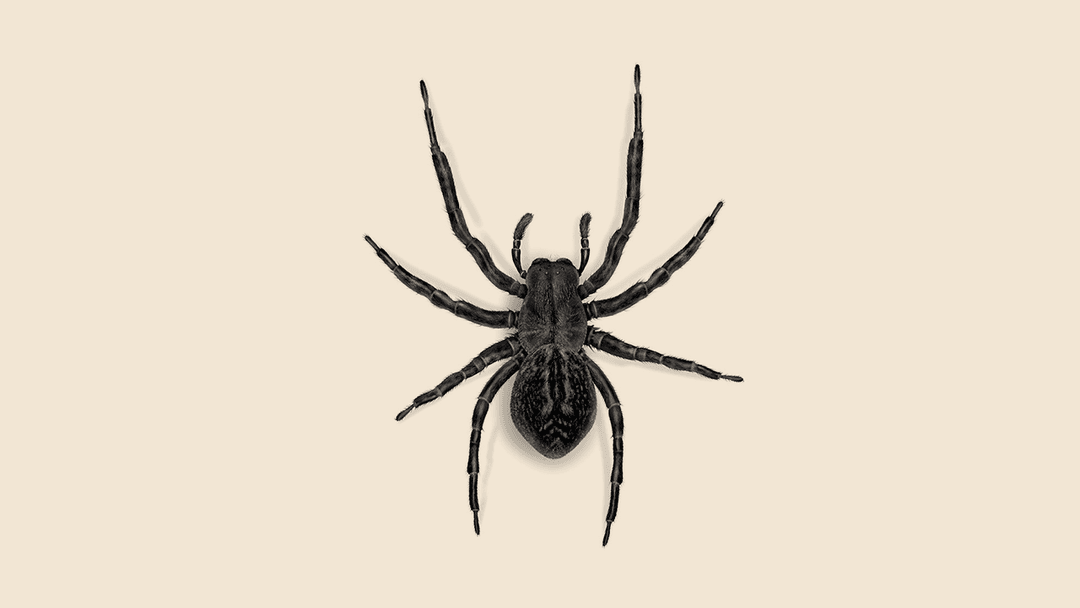
B. insignis is a dark-colored spider with the mature female about ¾ inch long with a 1 ¼ inch leg span. The males are smaller as their body is about 3/8 inch long. Both the males and females have dark brown legs and a gray abdomen with light markings on the top.
Habitat, Diet & Life Cycle
Their normal outdoor habitat is logs, tree trunks, rock walls and building crevices and gaps. Black house spiders prefer outdoor habitats, but they will go inside buildings and may be found where their prey is located including corners, around windows and doorways. It is common for this spider to be located near a light source since lights attracts a wide variety of prey insects like flies, beetles, ants, moths and mosquitoes. The spiders may themselves become prey for a number of other spiders, wasps and parasitic flies. Adult spiders live for about two years.
Reproduction
The female constructs several white silk egg sacs, which are secured within the web. The female stays with the eggs until they hatch. Once hatched, the immature spiderlings then disperse by producing a thread, which is blown about by the wind, so the young can move to other locations.
Distribution
Black house spiders are widely distributed throughout Australia and New Zealand.
Prevention Tips
Sealing all cracks, gaps and crevices that provide access inside the home is an important way to prevent spiders from wandering into the structure. Using a vacuum or broom to remove spiders, webs and egg cases is another way to prevent the spiders from moving inside. Still another method is making sure the black house spider’s food source is kept to a minimum and harborage sites are removed and cleaned up.
Should the homeowner need help controlling these or any other spiders, contact your pest management professional and request an inspection. Your pest management professional can then use his or her inspection findings to prepare a comprehensive pest management plan that will effectively and efficiently deal with the specific pest problem.