Crab Spider Facts & Information
Protect your home or business from crab spiders by learning techniques for identification and control.
Treatment
How do I get rid of crab spiders?
What Orkin Does
Your local Orkin Pro is trained to help manage crab spiders and similar pests. Since every building or home is different, your Orkin Pro will design a unique spider treatment program for your situation.
Orkin can provide the right solution to keep crab spiders in their place…out of your home, or business.
Frequently Asked Questions
Behavior, Diet & Habits
Understanding Crab Spiders
What do crab spiders look like?
-
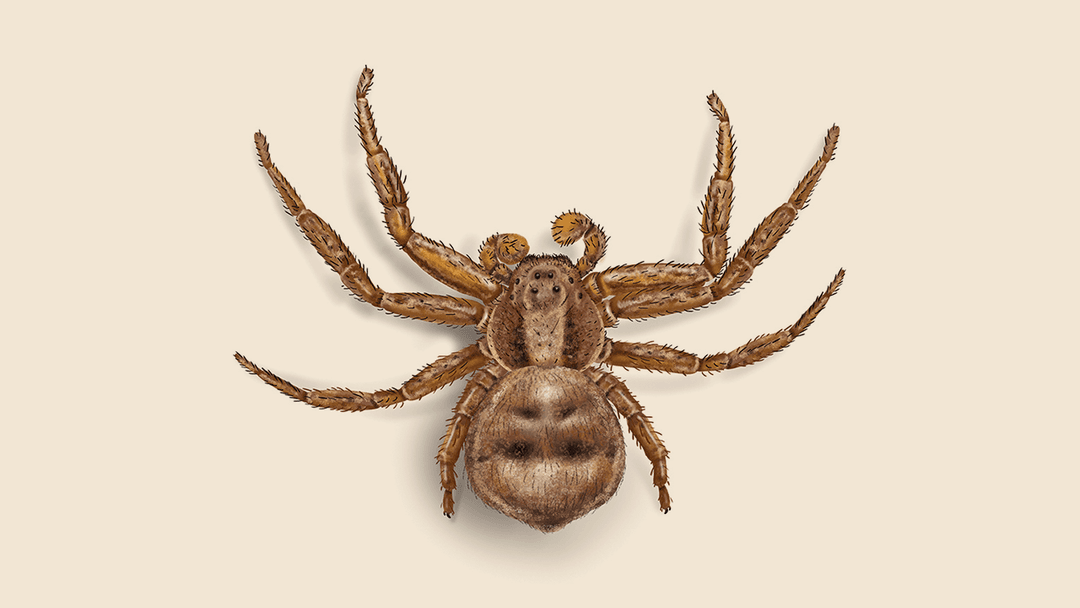
Characteristics: Crab spiders are named for their crablike appearance and movements.
-
Body: Crab spiders have two large, strong front legs that are used to grasp prey. They scuttle sideways with their hind legs, although some species do move like other spiders. Their bodies are also flat like a crab's.
What do crab spiders eat?
Instead of spinning webs to catch prey, crab spiders use camouflage. Some resemble bird droppings, while others look like fruits, leaves, grass, or flowers. Others are capable of changing colors entirely. When prey approaches, these spiders attack and administer poisonous bites. Crab spider venom is potent enough to render large insects immobile.
Crab Spider Reproduction
Crab spiders produce eggs within a few weeks after mating. These eggs are deposited into two silken egg sacs, which are joined at the center. However, their eggs are not housed within a web. Females commonly remain near egg sacs in order to protect their young from predators. Hatching time depends on environmental conditions. After spiderlings emerge, they resemble adults. These small spiders undergo a series of molts before becoming mature and fertile.
Crab Spider Diseases
Crab spiders are not known to transmit diseases to humans. Although crab spiders are venomous spiders, their bite is considered relatively harmless to humans. However, if medical concerns arise, medical attention should be sought.