Can Stink Bugs Bite or Sting Humans?

What Are Stink Bugs, and Do They Bite?
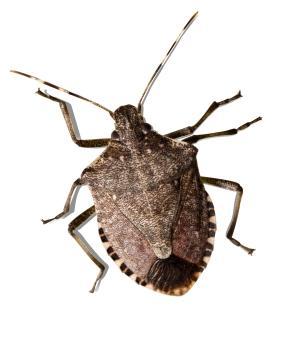
Stink bugs vary in size, depending on species, and some U.S. species are large — almost 2 cm long. Adult stink bugs are almost as wide as they are long.
In the springtime, homeowners often find stink bugs walking up the walls or flying toward windows. And when the homeowner swats the bugs, they give off an unpleasant odor.
The species that is of most concern to homeowners is the brown marmorated stink bug, which is not likely to bite or sting. The stink bug's mouthparts are grouped in the piercing/sucking category, but they do not use blood as a food source like mosquitoes, biting flies, and bed bugs.
Furthermore, their mouths aren't structured in a way that enables them to pierce, sting, or bite through human skin.
In fact, most species of stink bugs feed on plants. They suck the juice from leaves, stems, and roots of plants. They attack everything from ornamental plants to weeds. The insects pierce the skin of the plant and extract the juice inside.
What Do Stink Bugs Eat?
These plant-feeding stink bugs also attack seeds, nuts, and fruit. They attack peaches, apples, tomatoes, green peppers, soybeans, and pecans.
They have even been found feeding on developing cotton. Stink bugs can be serious pests in farms, gardens, and orchards.
There are a few species of stink bugs that are predators, but they eat other insects. They eat harmful pests like caterpillars and even other stink bugs. These predatory stink bugs are beneficial because they help protect plants.
Controlling & Preventing Stink Bugs
Even though stink bugs do not normally bite people, they can be nuisances when they get into homes.
Many homeowners use a vacuum cleaner to remove stink bugs from the walls and windows of their homes. However, the bugs may cause the vacuum to have an unpleasant odor for a while.
Homeowners can help prevent stink bugs from invading by sealing openings that the bugs might use to get inside. Cracks around doors and windows can be sealed with caulk. Vents in crawl spaces and attics can be protected with screen. Weather stripping can be used to seal gaps under exterior doors.
When experiencing stink bugs in the home, contact a pest control professional who can select the most effective materials and develop a plan to combat the stink bugs.