Tick Facts & Information
Protect your home or business from ticks by learning techniques for identification and control.
IDENTIFY
Types of Ticks
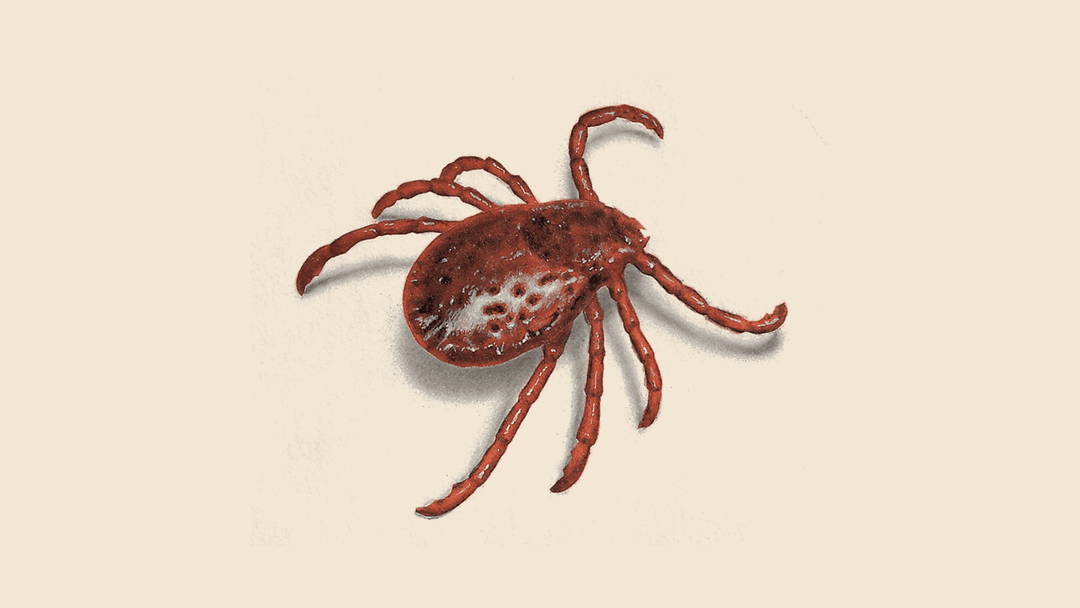
What do ticks look like?
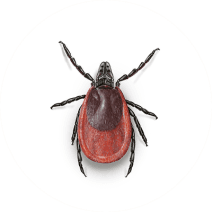
Tick color varies by species. Adults can be smaller than a sunflower seed (over 1 cm long if engorged with blood), while tick larvae can be less than 1 mm. Ticks have only six legs during their larval stage and eight legs during their nymphal and adult stages.






Pest Control for Ticks
How do I get rid of ticks?
How to Remove Ticks
Ticks found on pets or people require cautious and thorough removal. They should be grasped behind the head by tweezers and pulled slowly away from the host’s skin. Crushing the pest may lead to the release of further dangerous fluids. It’s important that the mouthparts be completely removed from the wound, as well. Infected areas should be thoroughly washed and disinfected. If there are concerns resulting from a flea or tick bite, seek medical attention immediately. Learn more best practices on how to remove ticks.
What Orkin Does
An Orkin Pro will use a comprehensive, integrated plan to help control ticks on your property. While the specific requirements of a tick pest control plan are situational and will vary, the following actions and recommendations will be factored into your plan:
Inspection & Identifying Ticks: The first step your Orkin Pro will take is to inspect your property — perhaps both inside and outside. In addition to preventing indoor ticks, it’s important to get rid of ticks in the yard since they can hitch a ride inside on clothing and by pets. During the inspection, your local Pro will provide information related to tick distribution on your property as well as proper species identification.
Education: Your technician will provide some basic details about the pests including behaviors, life cycle and habitat. They will also explain how to recognize ticks, how to prevent ticks, and give a recommendation to contact your medical professional or veterinarian for advice on using tick repellent, treatment products and treatment advice should a tick-borne disease be suspected.
Tick Habitat Modifications: Using the inspection findings, your Orkin Pro may recommend modifying areas of tick habitat that will open formerly shaded areas to sunlight. Exposing an area to sunlight reduces moisture and decreases the likelihood that ticks would want to live there. In addition, your technician will recommend removing protective sites such as heavy leaf litter, thick ground cover around the home’s perimeter and protective areas such as fallen logs, firewood piles and rock piles. Habitat modifications should target areas frequented by pets and family members, not necessarily the entire property.
Chemical Applications: Your customized treatment plan will also identify the locations where tick control products can successfully be used (in accordance with approved instructions on the product label). Areas the technician will focus on to repel ticks include but aren’t limited to ground cover vegetation, areas where the lawn meets the woods, ornamental plantings and other areas.
If you suspect a tick infestation, it’s recommended that you contact a pest control expert as the effectiveness of natural tick repellent is not guaranteed.
Follow-Up: If necessary, a follow-up inspection and additional control work will be provided per your approved service agreement.
To learn more about how to get rid of ticks and help prevent future infestations, contact your nearest Orkin branch.
Frequently Asked Questions
Tick Behavior, Diet & Habit Facts
More Information About Ticks
What do ticks look like?
-
Color: Color varies by species.
-
Size: Adults can be smaller than a sunflower seed (over 1 cm long if engorged with blood), while tick larvae can be less than 1 mm.
-
Legs: Ticks have only six legs during their larval stage and eight legs during their nymphal and adult stages.
What do ticks look like on a dog?
Ticks on a dog can be difficult to find as sizes can vary from a tiny poppy seed to as large as a grape when engorged with blood. They will look like tiny dots, usually dark in color (brown, black, or reddish-brown) and oval or round attached to the dog’s skin. Ticks can also crawl around long-haired dogs and puppies which can be even more difficult to find.
Regularly check your puppy and dogs for ticks after walks in the woods or grass as they may brush up against a twig or leaves infested with the pests. If ticks are found on your dog, prompt removal will be needed to help reduce the chances of tick-borne diseases. Use a fine tipped tweezer to remove the tick from your dog as close to the skin and as gently as possible. Consult your veterinarian if you need tick removal for your dog or puppy.
Where do ticks live?
Often found near wooded and highly vegetated areas. Some species require moisture to survive. Indoors, they may live inside cracks, crevices, or their host’s nest or burrow.
What do ticks eat?
Females and males of most species feed on blood of mammals, birds, and reptiles. Each species does have a preferred host, although most will feed on whatever blood is available to them. Thus, ticks are known to bite:
-
Cats and Dogs
-
Deer
-
Humans
-
Livestock
What is the life cycle of a tick?
Ticks consume blood meals during all four stages of their life cycles. Pathogens, or organisms that cause diseases in the animals they infect, can be passed through the stages of a tick’s life cycle. There are four stages:
-
Larval
-
Nymphal
-
Adult
Can ticks fly?
Do ticks fly? This is a common question when wondering how they move around. However, ticks do not have wings so they cannot fly.
Many people mistakenly believe that ticks drop from trees when a suitable host comes by. This leads to speculating on how ticks get into trees and assuming it must be by flying, thus enabling this myth to persist.
Ticks do not fly, run, or hop in order to infest a host. Instead, they climb up on brushy vegetation and wait for a host to pass by – a procedure known as questing.
How do ticks get on you?
Ticks sense a passing host by detecting:
-
Carbon dioxide
-
Body heat
-
Odors
-
Moisture
-
Vibrations created by an approaching host
When they recognize a potential host, they hold onto leaves and grasses with their third and fourth pairs of legs, while stretching and waving their first pair of legs.
They hold the first pair of legs outstretched, waiting to climb onto the host as it comes into contact with where the tick is waiting. The tick’s sensory structures, known as their Haller’s organs and located on the tick’s first pair of legs, enable the tick to recognize the sensory signals the host gives off.
What’s the difference between fleas & ticks?
Fleas and ticks are both parasitic in nature, living on hosts much larger than themselves. Both fleas and ticks feed on the blood of their chosen hosts and are transmitters of various diseases. While neither ticks nor fleas choose humans as their primary hosts, both parasites are known to bite and feed on humans in the absence of other food sources.
Ticks
Like other arachnids, adult ticks possess four pairs of legs. However, as larvae, they bear only six legs and gain their fourth pair after molting. Their territories are not defined by specific location; rather, they tend to dwell within the habitats of their preferred hosts. Thus, the pests may be found in areas as diverse as forests, grasslands, and human homes. After hatching, all stages of a tick’s life cycle feed on blood.
Fleas
Fleas are insects with six legs. They are wingless and incapable of flight. However, the flat bodies and long legs of the flea have developed to enable impressive jumping skills and the ability to move unimpeded through dense fur or hair. Fleas are found throughout the world, with several species residing primarily in households. Fleas undergo complete metamorphosis of egg, larva, pupa and adult. Only adults feed on blood.
Do ticks carry diseases?
Ticks carry serious diseases like lyme disease, colorado tick fever and rocky mountain spotted fever. Learn more about the dangers of ticks and how to help prevent them.
Understanding Ticks & Disease: Lyme & Colorado Tick Fever
Learn about ticks & why they are so dangerous to humans & animals.
More Resources
Dig Deeper on Ticks
Facts About Ticks
More often than not, humans are not aware of having been bitten by ticks, but here’s what to do if you think you've been bitten by ticks.
Explore the two most common types of ticks, how to tell them apart and where they call home.
Learn how to safely remove ticks with this step guide to tick removal from Orkin.
Is It Possible to Have a Tick Infestation in Your Home?
Depending on the species of tick, ticks enter the home by dropping off of pets or pant legs, but are unlikely to reproduce and infest a home.
Are There Backyard Tick Treatments Safe for Pets and Children?
Find out what options you have for backyard tick treatment that are safe for your family and pets.
Where Do Ticks Lay Eggs in a House?
Have you seen ticks in your home? They may have also laid eggs throughout the house. Learn what you need to do to remove ticks.
What Is the Cost for Getting Rid of Ticks?
Learn how much it costs to get rid of ticks from your home.
Diseases Transmitted by Ticks
Learn about the diseases and risks associated with tick bites and how to protect yourself.
Gain a deeper understanding of Lyme disease, the most common tick-transmitted disease in the United States.
CDC: Lyme Disease and Tick Control Measures
Discover the steps to take in order to prevent tick-transmitted Lyme disease and its related symptoms.
CDC: Rocky Mountain Spotted Fever
Learn the signs and symptoms of this potentially deadly bacterial disease.
CDC: Other Tick-borne Diseases
Read about tick-borne diseases and pathogens that can be passed to humans through the bite of an infected tick.