




Rodent Facts
More Information About Rodent Problems
The more you know about rodents, the better you can predict and control their behavior. Here are some quick facts to help you on your way.
Protect your home or business from rodents and mice by learning techniques for identification and control.
Types of Rodents
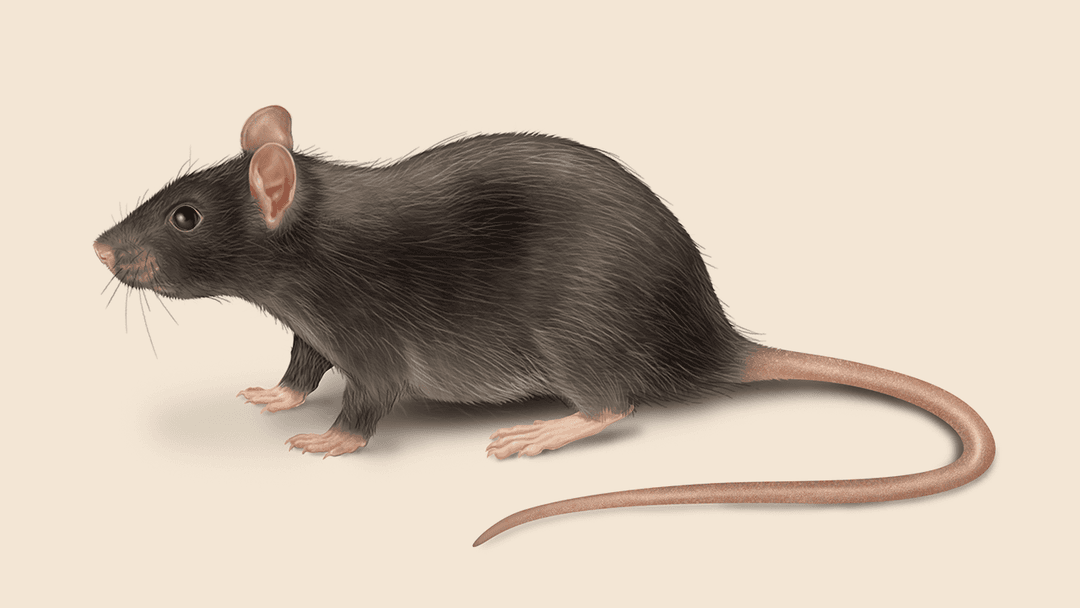
What do rodents look like?
Rodents are warm-blooded mammals that, like humans, can be found throughout the world. They have oversized front teeth for gnawing and check teeth, which are adapted for chewing. They chew on a variety of items available to them and cause great damage in and around homes.
Rodents are not only a hazard to human health, they can also compromise the integrity of an infested structure through continuous gnawing. Rodents multiply quickly, making infestations extremely difficult to remove. Orkin Pros are trained to address any current rodent infestation, as well as implement solutions to help prevent future issues. Through a specialized approach to rodent and pest control, Orkin can help protect your home with a plan suited to your specific needs.
If you are experiencing a rodent infestation, you should immediately contact your Orkin Pro for an inspection, consultation and customized solution. To learn more about how to get rid of rodents and protect your home, contact your local Orkin branch.
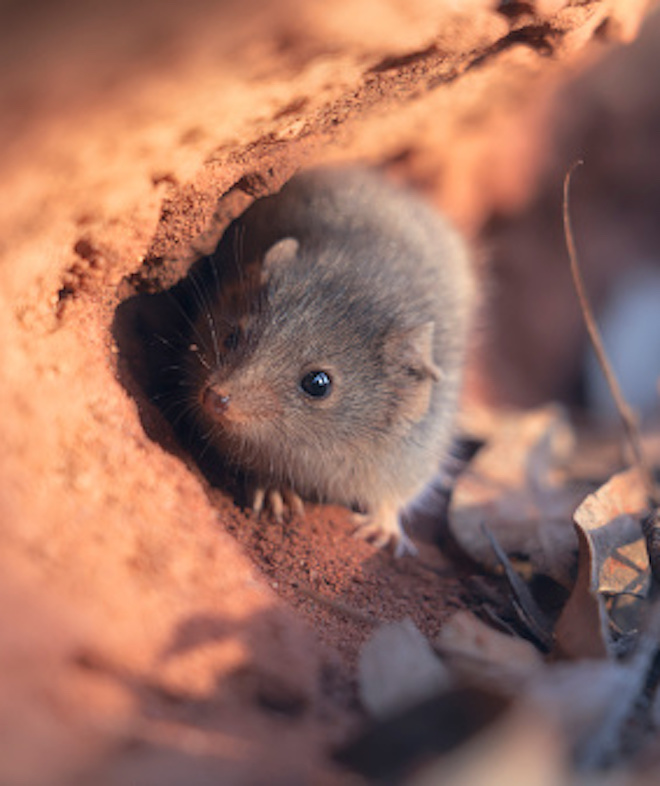
The more you know about rodents, the better you can predict and control their behavior. Here are some quick facts to help you on your way.
What diseases do rodents carry?
Although often small in size, rodents can pose a significant risk to your health. Some species are known to carry deadly viruses and play host to parasitic insects that transmit disease. Humans can be at risk of exposure to diseases from rodents through contact with mouse and rat droppings, as well as their urine, saliva and nesting materials.
In order to properly clean and disinfect contaminated areas, it’s best to rely on an Orkin Pro who uses equipment and materials designed for the removal and clean-up of mouse debris. As the second most populous mammal in urban areas, it’s easy to see why they’re featured on Orkin’s list of “North America’s Most Dangerous Pests”.
Orkin Pest Control - 2:48
Get a quote today
We are here for you 24 hours a day, 7 days a week.
877-819-5061