







Rodent Facts
More Information About Rodent Problems
The more you know about rodents, the better you can predict and control their behavior. Here are some quick facts to help you on your way.
Need pest help? Save $50 on your first recurring service today with code GET50
Protect your home or business from rodents and mice by learning techniques for identification and control.
Types of Rodents
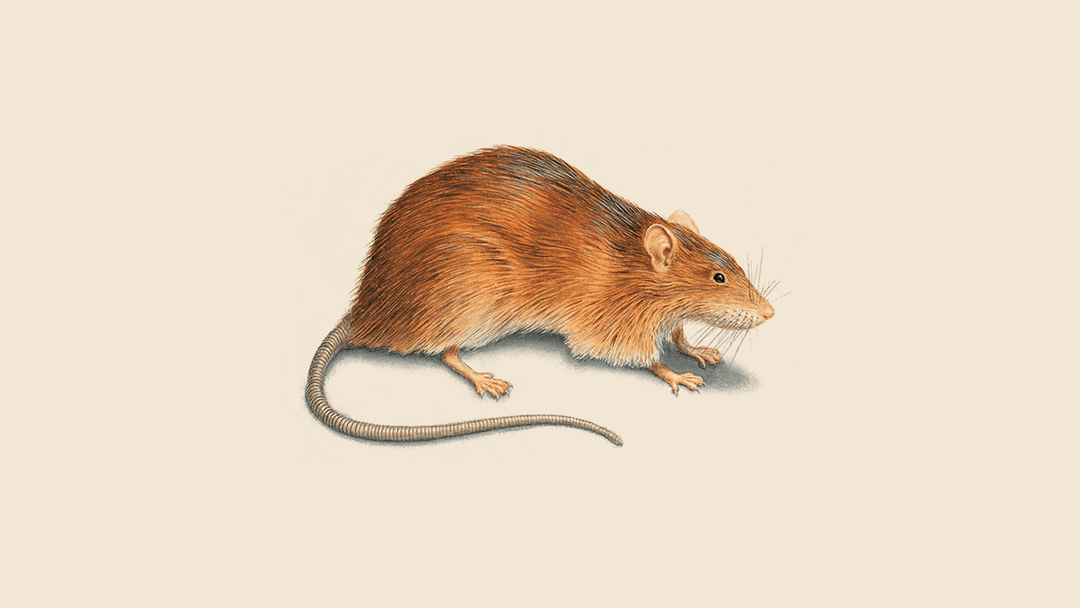
What do rodents look like?
Rodents are warm-blooded mammals that, like humans, can be found throughout the world. They have oversized front teeth for gnawing and check teeth, which are adapted for chewing. They chew on a variety of items available to them and cause great damage in and around homes.
Rodents are not only a hazard to human health, they can also compromise the integrity of an infested structure through continuous gnawing. Rodents multiply quickly, making infestations extremely difficult to remove. Orkin Pros are trained to address any current rodent infestation, as well as implement solutions to help prevent future issues. Through a specialized approach to rodent and pest control, Orkin can help protect your home with a plan suited to your specific needs.
If you are experiencing a rodent infestation, you should immediately contact your Orkin Pro for an inspection, consultation and customized solution. To learn more about how to get rid of rodents and protect your home, contact your local Orkin branch.
The more you know about rodents, the better you can predict and control their behavior. Here are some quick facts to help you on your way.
What diseases do rodents carry?
Although often small in size, rodents can pose a significant risk to your health. Some species are known to carry deadly viruses and play host to parasitic insects that transmit disease. Humans can be at risk of exposure to diseases from rodents through contact with mouse and rat droppings, as well as their urine, saliva and nesting materials.
In order to properly clean and disinfect contaminated areas, it’s best to rely on an Orkin Pro who uses equipment and materials designed for the removal and clean-up of mouse debris. As the second most populous mammal in urban areas, it’s easy to see why they’re featured on Orkin’s list of “North America’s Most Dangerous Pests”.
Orkin Pest Control - 2:48
Learn about the many sounds associated with rodents and rodent activity and what those sounds may indicate based on location in your home.
Find out which type of rodents are classified as small and how they can be destructive both in your home and in their natural habitat.
Rodent droppings should not be handled as they can transmit dangerous rodent diseases and viruses.
Gain an understanding of why a rodent infestation can be extremely dangerous and destructive.
Most rodents are identifiable by behavior, specific body features and coloration, all of which can be recognized by a trained Orkin Pro.
Explore the Order of Rodentia, which is comprised of more than 2,000 species, many of which might surprise you.
Learn how to identify mole rodents and how to manage a mole infestation.
Gain an understanding of how to identify desert rodents and what to do if you have an infestation.
How to Tell If You Have Rats or Squirrels
Homeowners can use the location of rodent droppings to find out if they have a rat or squirrel infestation.
Both natural and chemical-based rodent repellents are commercially available and vary in effectiveness.
From live traps to glue traps, there’s a variety of rodent traps that are available, but an Orkin Pro can help best control and remove rodents.
How to Get Rid of Dead Rodent Smells
Inform yourself on how to properly and safely dispose of dead rodents.
How Effective Are Rodent Smoke Bombs?
Rodent smoke bombs may temporarily control a rodent infestation, but are largely ineffective at completely getting rid of rodents.
Mothballs can be used to repel certain pests like rodents but may contaminate soil and water if used outdoors.
Second to humans as the most populous mammals in urban areas, learn more about mice, including the diseases and damage they can inflict.
House mice are omnivorous but prefer to consume grains, fruits and seeds and have even been known to gnaw on inedible materials such as electrical wiring, cardboard boxes and paper.
How to Identify Mouse Droppings
Commonly mistaken for cockroach or rat droppings, mouse feces are granular in shape and indicate areas where mice are most active.
How to Detect a Mouse Home Infestation
Gain an understanding of how to recognize a mouse infestation based on indicators such as mice droppings, gnawed plastic or furniture, tracks and more.
How to Tell Rats and Mice Apart
Familiarize yourself with the physical and behavioral differences between rats and mice.
Due to their body shape, mice can enter homes through cracks and holes found in walls, floors and foundations, as well as gaps in windows or ceilings and even through sewer lines.
While there are mouse repellent liquids, solids, and even electronic devices on the market, there is no scientific evidence that they are effective at controlling mice infestations.
How Do Electronic Mouse Repellents Work?
Electronic mouse repellents operate under the idea of using high-frequency sounds to drive mice away; however, there is little data that these devices are effective in rodent control.
Regardless of type, mousetraps are considered very effective in the capture and extermination of individual rodents, but not entire mice infestations.
How to Get Rodents Out of House Walls
Learn the most effective ways to get rid of rodents that may be living within walls and crawlspaces.
Explore the pros and cons of the most common rodent removal options.
The most efficient mouse and rodent control methods are those administered by trained pest control professionals.
A variety of rodent traps can be purchased from most hardware and grocery stores, however, trapping mice is ineffective at controlling an infestation and professional methods may be required.
How to Clean Up After Mice Infestation
For safety and sanitation purposes, we recommend that the removal and cleaning process after a rodent infestation is best performed by an Orkin Pro.
Explore the types of mice most commonly encountered by homeowners.
Each mouse species carries different viruses, bacteria, parasites and diseases.
Learn how to properly identify black mice based on their appearance and behavior.
Get to know the appearance, behavior and rodent life cycle of brown mice.
Learn the appearance and behavior of field mice and how to properly manage an infestation.
Dive into the mouse breeding process and the stages of a mouse's lifecycle.
Learn more about the stages of a rodent lifespan from gestation to adulthood.
Our local Pros are the pest experts in your area.
Your Branch