Africanized Honey Bee Facts & Information
Protect your home or business from Africanized honey bees by learning techniques for identification and control.


Treatment
How do I get rid of Africanized honey bees?
What Orkin Does
Your local Orkin Pro is trained to help manage Africanized honey bees and similar pests. Since every building or home is different, your Orkin Pro will design a unique treatment program for your situation.
Orkin can provide the right solution to keep Africanized honey bees in their place...out of your home, or business.
Frequently Asked Questions
Behavior, Diet & Habits
Understanding Africanized Honey Bees
What do Africanized honey bees look like?
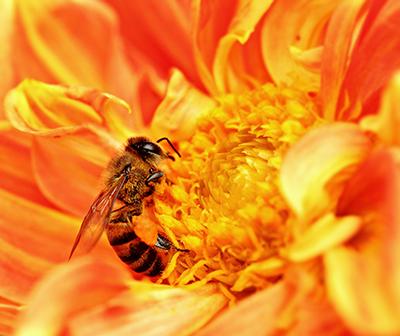
Africanized honey bees, also known as killer bees, resemble other honey bees because they are the result of breeding bees from southern Africa with local Brazilian honey bees. When a group of Brazilian scientists imported bees from southern Africa in the hopes of breeding a bee adaptable to tropical conditions, several escaped and bred with local honey bees.

Where do Africanized honey bees nest?
Africanized honey bees are highly adaptive and can nest in varying locations, including places where humans reside. When natural nesting locations are unavailable, they will nest in:
-
Containers
-
Empty boxes
-
Garages
-
Old vehicles and tires
-
Trees
-
Underground and outside of buildings
Where do Africanized honey bees live?
After their spread through South America, Africanized honey bees entered the United States via the southern region of Texas in the early 1990s. Colonies then swarmed to other areas, such as Arizona and California. Today, the bees have spread to many states of the southern U.S.
They will migrate when they experience a food shortage around their hives or if their hives are disturbed by a human. Africanized honey bees are unable to survive harsh conditions, such as excessive cold or extremely dry climates.
Do Africanized honey bees make honey?
Yes, Africanized honey bees produce honey, often in significant quantities. A single hive can yield up to 220 pounds of honey. Despite their aggressive nature, these bees are efficient foragers and produce honey comparable to European honey bees, making them a productive—though challenging—option for honey production in the right conditions.