Yellow Jacket Facts & Information
Protect your home or business from yellow jackets by learning techniques for identification and control.

Treatment
How do I get rid of yellow jackets?
What Orkin Does
If you notice a yellow jacket nest near your home, it’s best to contact a trained pest control professional. Orkin Pros are experts in identifying different types of yellow jackets and the most effective ways to manage these flying pests. Through a specialized approach to pest control and the management of yellow jacket behavior, an Orkin Pro can provide you with the best solution to help with yellow jacket removal and the steps you can take to keep them away and out of your home.
To learn more about how to get rid of yellow jackets and yellow jacket nest removal, contact your local Orkin branch.
Frequently Asked Questions
Behavior, Diet & Habits
Understanding Yellow Jackets
What do yellow jackets look like?
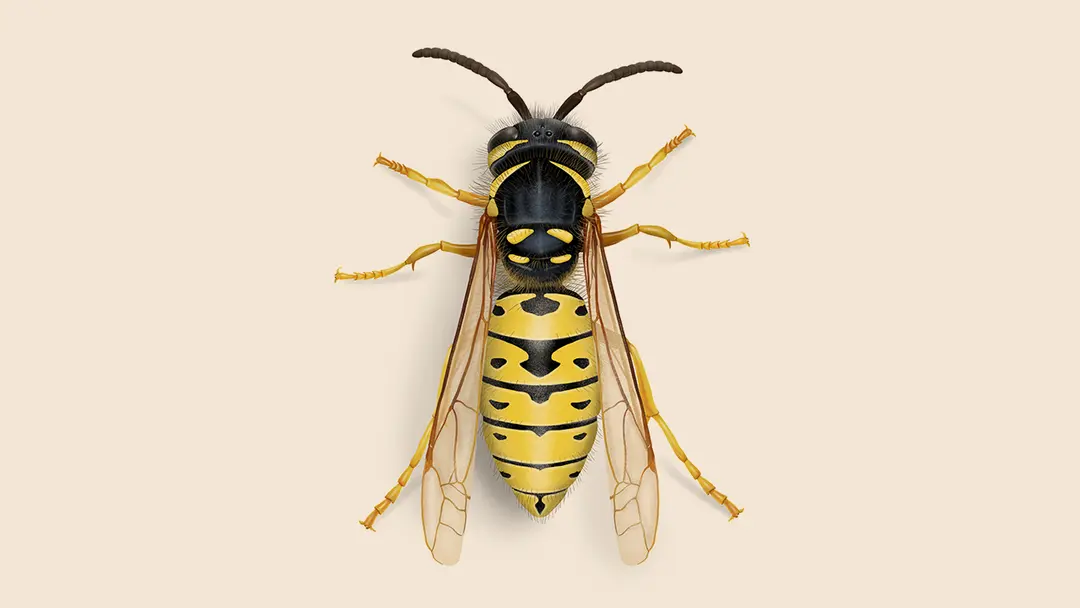
Yellow jackets, genera Dolichovespula and Vespula, are wasps that can be identified by their alternating black and yellow body segments and small size.
-
Length: They measure 10 to 16 mm in length
-
Color: Most yellow jackets are black and yellow, although some may exhibit white and black coloration.
-
Thin waist: In contrast to the bee, the yellow jacket’s waist is thinner and defined.
-
Wings: Their elongated wings are as long as the body and fold laterally when at rest.
What do yellow jackets eat?
Yellow jackets are pollinators and may also be considered beneficial because they eat beetle grubs, flies and other harmful pests. However, they are also known scavengers who eat meat, fish and sugary substances, making them a nuisance near trash receptacles and picnics.
How to Identify Yellow Jackets vs. Bees
They are often mistaken for bees, although their bodies lack the same amount of hair, rounded abdomen, and the expanded hind leg used for carrying pollen of the bee. These social wasps live in colonies that may contain thousands of insects at a time.
What does a yellow jacket nest look like?
As one of the most aggressive stinging pests around, it’s important to know how to properly identify a yellow jacket colony. A few key things to know are: where yellow jackets prefer to build their nests, what a yellow jacket nest looks like and how to prevent them from nesting on your property. Here are a few things to keep in mind:
What do yellow jackets eat?
Yellow jackets enjoy feasting on sweet things and sources of protein. Reduce your chances of inviting these stinging pests to your property by eliminating sweet smells or open trash receptacles.
Where do yellow jackets nest?
Although some nest in bushes, low-hanging branches, corners of buildings, or other manmade structures, most yellow jackets are actually ground-nesters. Their colonies can often be found at the base of trees, in sidewalk cracks, in house siding, or under porches or steps.
How to Eliminate a Growing or Future Yellow Jacket Colony
Keep an eye on any yellow jacket activity and try to pinpoint where the entrance to an underground or aerial nest may be. You can then devise a treatment and prevention plan that best fits your situation.
Do yellow jackets live in colonies?
A colony may contain 1,000 or more workers by fall. All of the workers are sterile females. In late summer males will begin to appear. When they become adults, they will mate with the females that will become the next year’s queens.
The fertilized females will hibernate through the winter. The workers and the males will perish when the weather turns cold.
Reproduction
A queen yellow jacket starts a new nest by building a small paper nest in which she lays the first batch of eggs. After hatching, these eggs are fed by the queen until they are ready to pupate and mature into adult yellow jackets. Adults live through one season and feed on caterpillars, grubs and other insects. They also enjoy nectar and sweet substances such as fruit and tree sap. Yellow jackets are attracted to garbage and other human foods, particularly meats and sweets.
More Information
How big does a yellow jacket nest get?
Discover how large a yellow jacket nest can get and how many insects can live inside.
Learn all about the queen yellow jacket and her integral role in the colony.
Gain a better understanding of yellow jackets and how to decipher them from other types of bees.
Explore these stinging pests and learn about their appearance, diet, behavior, and more.
Examine the life cycle of these stinging pests and how they work together for the better interest of the colony.
Learn about the general appearance and common reactions and symptoms of yellow jacket stings.
Discover how yellow jacket traps work and whether or not they’re effective for yellow jacket prevention and control.
How Orkin Treats for Yellow Jackets
Learn why hiring an Orkin Pro may be essential for yellow jacket removal on your property.