How to Identify & Control Drywood Termites
Protect your home or business from drywood termites by learning techniques for identification and control.

IDENTIFY
Types of Drywood Termites
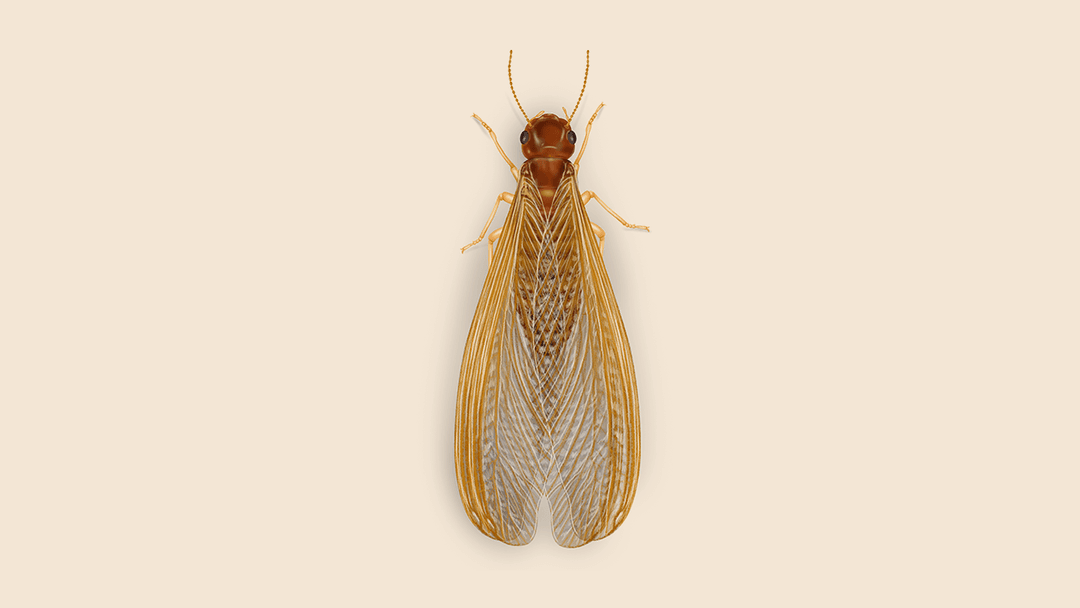
What do drywood termites look like?
There are three distinct groups into which termites are divided: subterranean, drywood, and dampwood. Since the worker termites in these groups more or less look the same, the appearance of the reproductive caste (alates) and soldiers is important.


Treatment
How do I get rid of drywood termites?
What Orkin Does
Orkin Pros are trained to help manage termites. Since every home or property is different, the Orkin Pro will design a unique termite treatment program for your situation.
Keeping termites out of your home is an ongoing process, not a one-time treatment. Orkin’s exclusive A.I.M. solution is a continuing cycle of three critical steps—Assess, Implement and Monitor.
Orkin can provide the right solution to keep termites in their place...out of your home.
Frequently Asked Questions
Behavior, Diet & Habits
Understanding Drywood Termites
Wings
Alates, or swarmers, have two sets of wings. The front set of wings has a pattern of three or more heavy, well-pigmented veins in the outer part of that front wing. Also, swarmers shed their wings very quickly after swarming, so most all dead swarmer bodies do not have attached wings. This is a good characteristic to distinguish drywood termite swarms from subterranean termite swarms since subterranean swarmers will consist of dead swarmers with and without attached wings. Swarmers can be up to 12 mm long.
Body
Drywood termite soldiers have large mandibles (mouthparts) with teeth and their pronotum is as wide, or wider, than the head. Also, most drywood termite soldiers and workers are larger than the soldiers and workers in subterranean termite colonies.

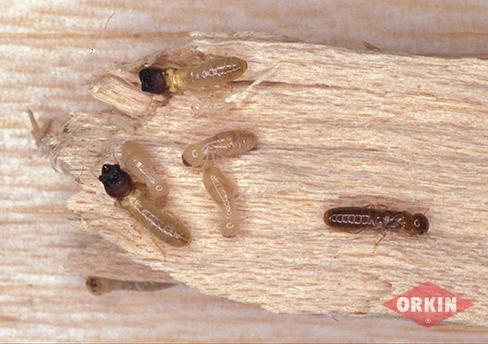
Drywood Termites
Habitat
Create colonies in wood and occasionally other cellulose material, with no connection to the ground necessary; often found in attic wood; need very little moisture.
Reproduction
Nymphs pass through four to seven instars before reaching adulthood; sexual forms eventually swarm to form new colonies.
More Information
It is estimated that termites cause over a billion dollars in damage to United States homes each year. Unlike fires, hurricanes and tornadoes, termite damage is seldom covered in homeowner insurance policies. The dangers of termite infestation are also underpublicized, leading most homeowners to believe that no preventive measures are necessary.
However, annual inspections are an effective means of preventing major damage to your home. There are two major families of termite present in North America: subterranean and drywood termites. Both species feed on cellulose material, including books, dried plants and furniture, as well structural wood. While subterranean termites burrow underground, drywood termites do not need the soil. After a colony of drywood termites has gained entrance to a home, they are capable of dispersing widely throughout many rooms and floors.

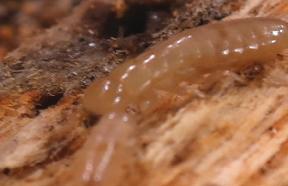
Drywood Termite Crawling on Wood

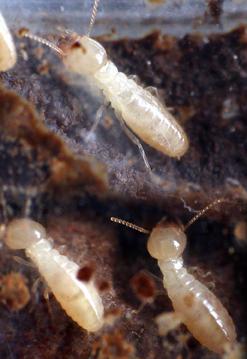
Drywood Termite Workers
Although drywood termites are far less common than subterranean termites and are found primarily in coastal, southern states and the Southwestern states, drywood termite damage is substantial. Drywood termite infestations are identifiable by piles of fecal pellets. These fecal pellets are often first noticed in places like windowsills. If you find piles of tiny pellets in your home, it could be a sign of a drywood termite infestation. A trained pest control professional can provide a thorough inspection.
Termite Control
How do you know if you have termites?
Learn the signs to look for to determine if you might have a termite infestation.
Termites cost Americans more than $5 billion in damage each year and most insurance plans don’t cover the damage.