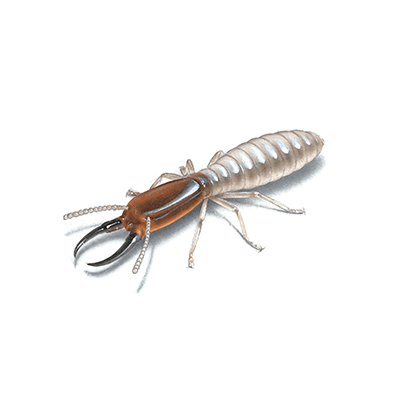
Termite Wall Damage
What Does Termite Wall Damage Look Like?
Holes and cavities within walls can indicate the presence of termites. Walls are particularly susceptible to termite damage for a number of reasons: they are accessible from the ground, and their surface area is considerable.

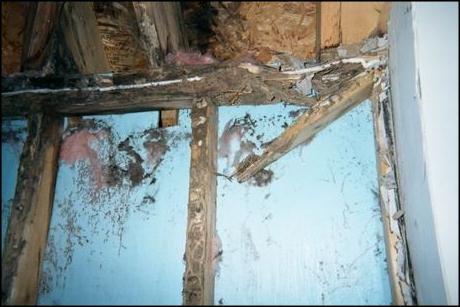
Termite Wall Damage
Common signs of termite damage to a wall include:
-
Small pin holes, where termites have eaten through the paper coating on drywall and/or wallpaper. You may see dirt in a hole made by subterranean termites. Drywood termites do not leave soil behind.
-
Faint 'lines' on drywall. (As termites tunnel through the paperboard on drywall, you may be able to see a map of their tunnels from the outside of the wall.)
-
A hollow sound when you tap on the wall.
-
Bubbling or peeling paint.
-
Baseboards that crumble under slight pressure.
-
Jammed doors or windows. (If termites damage structural components, the house can settle or shift in a way that affects the operation of doors and windows.)
Termites can remain hidden within walls and floors, so it may be difficult to discover their presence. Periodic professional inspections can help detect activity before the termites have time to cause significant damage.
Subterranean Termite Wall Damage
Subterranean Termites are the most common cause of termite damage in the U.S. They live in loose, damp soil and create underground tunnels towards food sources. Subterranean termite colonies can become very large, so if you notice any potential activity there’s a good chance that many more are close by. Therefore, it is wise to have a periodic termite inspection in order to prevent or reduce the amount of damage caused by these critters.
Looks like water damage
Evidence of subterranean termites on walls and ceilings often looks like the beginning stages of water damage.
You should keep an eye out for the following:
-
buckling wood
-
discolored drywall
-
paint with bubbles in it
Subterranean termites create mazes in areas they’re inhabiting, so if you see any unusual patterns or small, pushpin-sized holes in walls, call your termite control provider as soon as possible.
Drywood Termite Wall Damage
Drywood termites live in and feed on wood, so they are particularly drawn to studded walls, attic areas and furniture. They do not require contact with soil, and their colonies are typically smaller than their subterranean counterparts. Due to their smaller colony size, evidence of activity or an infestation is slow to develop and often difficult to spot.
Hollow sounding wood
Drywood termites eat wood from the inside out. If your walls sound hollow when you tap them or you find that wood is crumbling when touched, you likely have a termite problem. Once termites have burrowed deep into your wooden structures, you may be able to see the mazes they create. It’s possible for this to happen in your walls, furniture or floor boards. If you’re able to see the mazes, there is probably a full-blown infestation. Since this type of damage could indicate larger issues, be sure to call your termite control provider as soon as you spot any signs.

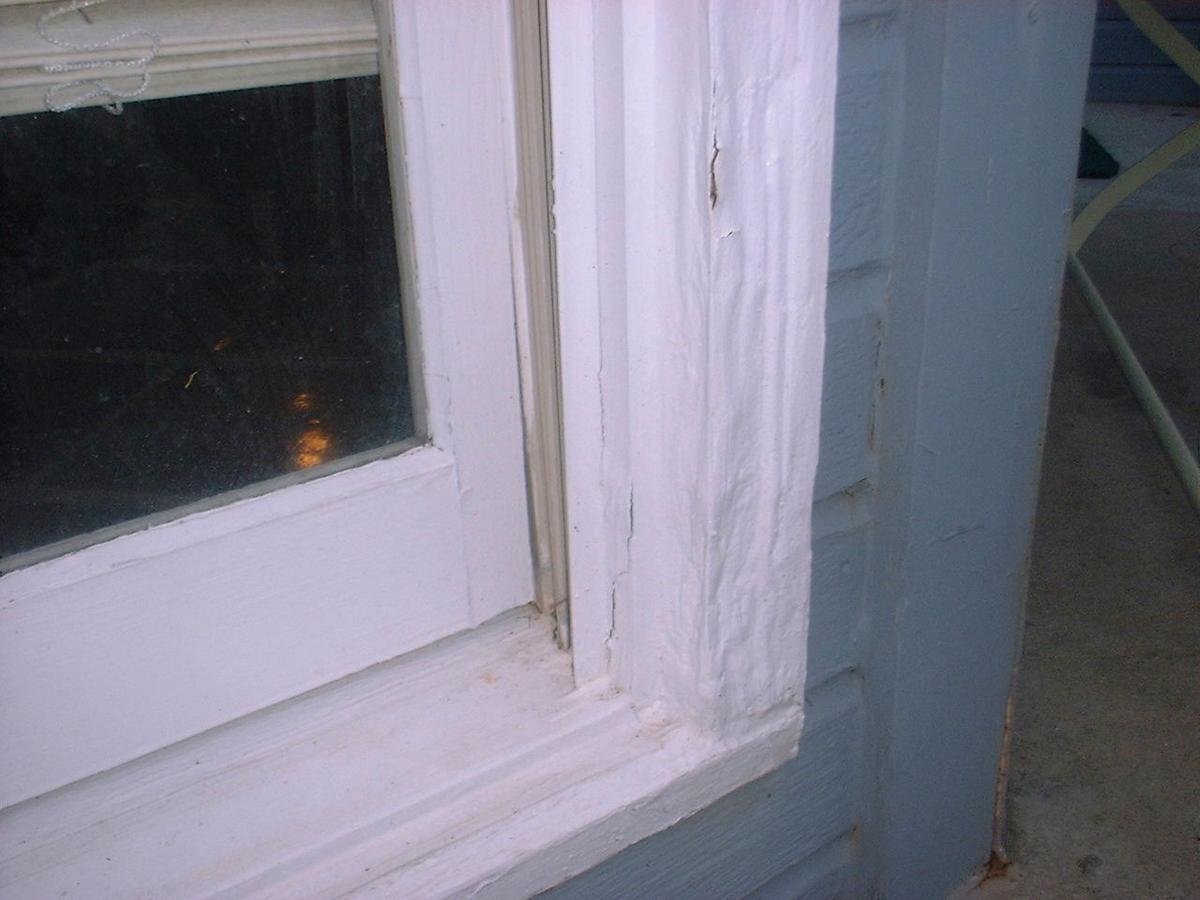
Termite Damaged Window
The surface area of walls exposed to soil is generally larger than other parts of a home. This large surface area appeals to termites as a food source, as many insects can feed on the same piece of wood without having to travel and forage too far.
Termites cause more damage to walls than to most other parts of infested homes: because walls are thinner, an infestation spreads more quickly and severely compromises the strength of walls. Cheaper materials, such as laminated plywood or particle board, are often rapidly affected.
However, this type of termite damage to walls can be prevented. By choosing the correct materials, having a pest control professional pretreat the home, and having a regular termite inspection by a termite control specialist, your home may remain termite free.
Don’t let termites eat through your home, schedule a free termite inspection with Orkin today.