Fire Ant Identification and Control
Protect your home or business from fire ants by learning techniques for identification and control.
IDENTIFY
Types of Fire Ants
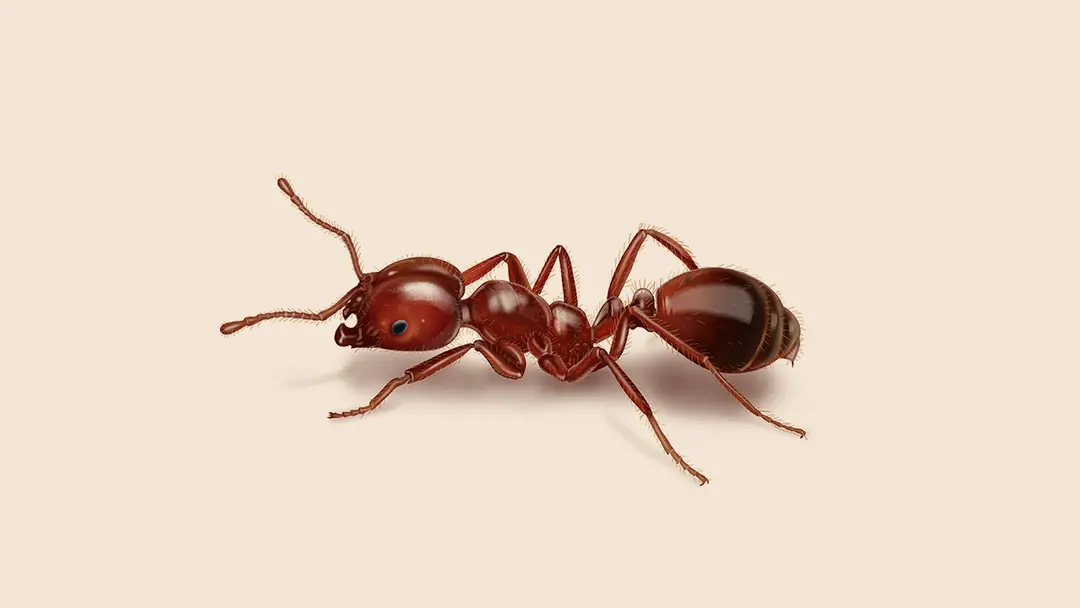
What do fire ants look like?
Fire ants are reddish in color and about 1.6 to 5 mm in length. Read more about identification of fire ants.

Treatment
How do I get rid of fire ants?
What Orkin Does
Fire ants are difficult to control for several reasons: the colonies are often very large and extend under the ground a great distance. Colonies often have multiple queens, so they can recover if a part of the colony and a queen or two have been killed, and they often occur in large numbers, so that when you have eliminated one colony another will likely move in to occupy the space.
Because fire ants can be sometimes a danger to humans and pets, it is a good idea to consult with professionals regarding ways to control them. Call your local Orkin Branch office to set up an inspection of your property. A highly trained Orkin Pro will come to your home and conduct a thorough inspection inside and outside. Our expert exterminators will develop a customized ant treatment plan that best meets your needs.
Frequently Asked Questions
Behavior, Diet & Habits
Understanding Fire Ants
Fire Ant Nest Facts
Typically nest in the ground. At times, nests may appear as visible mounds of 61 cm in diameter and about 18 cm high. Large colonies can have up to 250,000 workers. Very active and aggressive, they will sting any intruding animal repeatedly.
What do fire ants eat?
Fire ants are omnivorous. Known to eat meats, greasy and sweet materials. Fire ants are omnivores, meaning they will feed on animal or vegetable sources of food. The fire ant worker’s diet includes insects, earthworms, ticks, spiders, arthropod eggs, honeydew, and other sweets. Plant sources of food include seeds. Young and newborn vertebrate animals eaten by fire ants include birds, rodents, and calves. Generally, fire ants readily consume carrion (dead animals) regardless of whether the fire ants themselves caused the animal to die. Fire ant larvae are fed by the worker adults and eat only a liquid diet until their third larval instar is complete. Fourth-instar larvae are capable of digesting solid foods.
Fire Ant Life Cycle
Total time from egg to adult averages 30 days; workers may live up to 180 days; queens live two to six years.
Where do fire ants come from?
Though not a native species in North America, the red imported fire ant has become a common nuisance throughout the southern United States, ranging from Florida to California and as far north as Oklahoma and Virginia. The red imported fire ant (Solenopsisinvicta) was accidentally brought into the United States in the 1930s via a shipment of cargo. Initially transplanted into Alabama, they have spread and thrived throughout the southern states with the warm climate and lack of predators.
More Information
Fire ants been known to remove rubber insulation from telephone wires; sting is painful and can kill young wildlife.
Red Imported Fire Ants
Learn about red imported fire ants & why it is important to get rid of these pests.
More Resources
Dig Deeper on Fire Ants
How to Control Fire Ants
How to Get Rid of Fire Ants with Orange Oil
Orange oil may help repel fire ants but is not effective at getting rid of a fire ant infestation.
Will Boric Acid Get Rid of Fire Ants?
Boric acid can be used to get rid of fire ants but is most effective when paired with professional pest control.
Fire Ant Predators: Enemies and Killers
Fire ants have become so prevalent in the US partly because they have no natural predators.
Are Fire Ants Dangerous to Humans?
Fire ants can repeatedly inflict painful stings when threatened or disturbed.
How to Keep Fire Ants Away from Pet Food
Fire ants are attracted to pet food and have been known to sting pets.
Fire Ant Facts
What Does a Fire Ant Look Like?
Fire ants have a reddish-colored body and stinger.
Fire ants have a hard exoskeleton, six legs, and an abdominal stinger.
Fire ant colonies can have several queens who are responsible for mating and establishing new colonies.
What do Fire Ant Mounds Look Like?
A fire ant mound can house over 100,000 fire ants and be over two feet wide.
The life cycle of a fire ant consists of four stages: egg, larva, pupae, and adult.
Species of Fire Ants in the United States
There are two types of fire ants in the United States: red imported fire ants and native fire ants, which include native southern fire ants, tropical fire ants, desert fire ants, and little fire ants.