Little Black Ant Facts & Information
Protect your home or business from little black ants by learning techniques for identification and control.

Treatment
How to get rid of little black ants?
How does Orkin get rid of little black ants?
The first step to prevent and control little black ants begins with a thorough inspection provided by an Orkin Pro. After conducting the inspection, your exterminator will provide a proactive ant treatment plan to effectively and efficiently deal with the infestation.
One of the first things your Orkin Pro will look for are ways to exclude ants like sealing cracks and gaps in exterior walls and the foundation. Your pest management professional may also suggest removing decaying wood, firewood, and other debris from the property to make the area less appealing to ants.
Frequently Asked Questions
Behavior, Diet & Habits
Understanding Little Black Ants
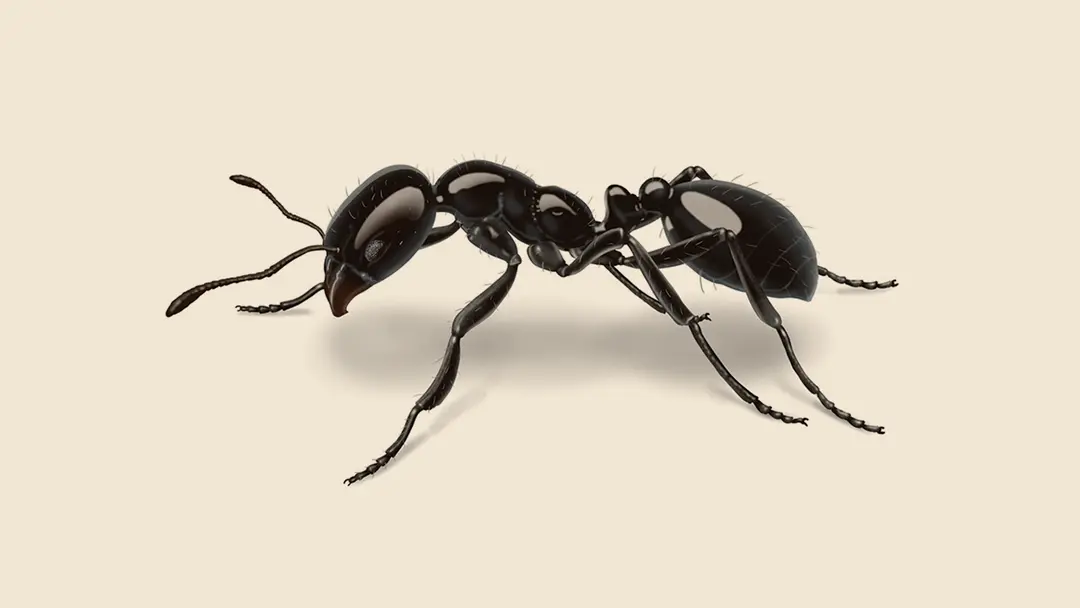
What do little black ants look like?
-
Size: Little black ants are small. The workers are as small as 1.5 mm in length, and queens can measure up to 4 mm.
-
Color: They are dark-brown, black or jet black in color.
-
Antennae: Their antennae consist of 12 segments and end in a three-segmented club.
-
Body: Their pedicel, or the ant waist, is two-segmented. Little black ants have no spines, and their thorax is unevenly rounded.
What do little black ants eat?
Little black ants are omnivorous and will eat:
-
Corn meals
-
Cotton flea hoppers
-
Greasy or oily foods
-
Honeydew
-
Insects
-
Plant secretions
-
Sweets
-
Vegetables
Where do little black ants live?
Little black ants (Monomorium minimum) dwell in areas of Mexico, southern Canada, and United States. They are widespread in urban and industrial surroundings.
Where are little black ants found?
Little black ant colonies can house several thousands of individuals and are located primarily in dark, protected areas. Workers forage in trails and are frequently seen along sidewalks and foundation walls. Indoors, the little black ant can be located in wooden items as well as in walls and the junction between the carpet and walls.
Little Black Ants Nest Locations
Little black ants prefer to live outdoors in decaying wood, but will also build their nests in cracks in walls or cement. Outside, they establish their nests under rocks or stones and in rotting logs, gardens and other open areas. Their nests can also be located within small craters of very fine soil. Indoors, the insects build their nests in voids and cavities such as wall voids.
How do little black ants reproduce?
Little black ant colonies have moderate to large populations, with two or more queens in one colony. Little black ant winged swarms are common from June to August, during which time mating occurs. After mating, both males and females shed their wings and the males die soon after mating.