Spider Facts & Information
Protect your home or business from spiders by learning techniques for identification and control.
IDENTIFY
Types of Spiders
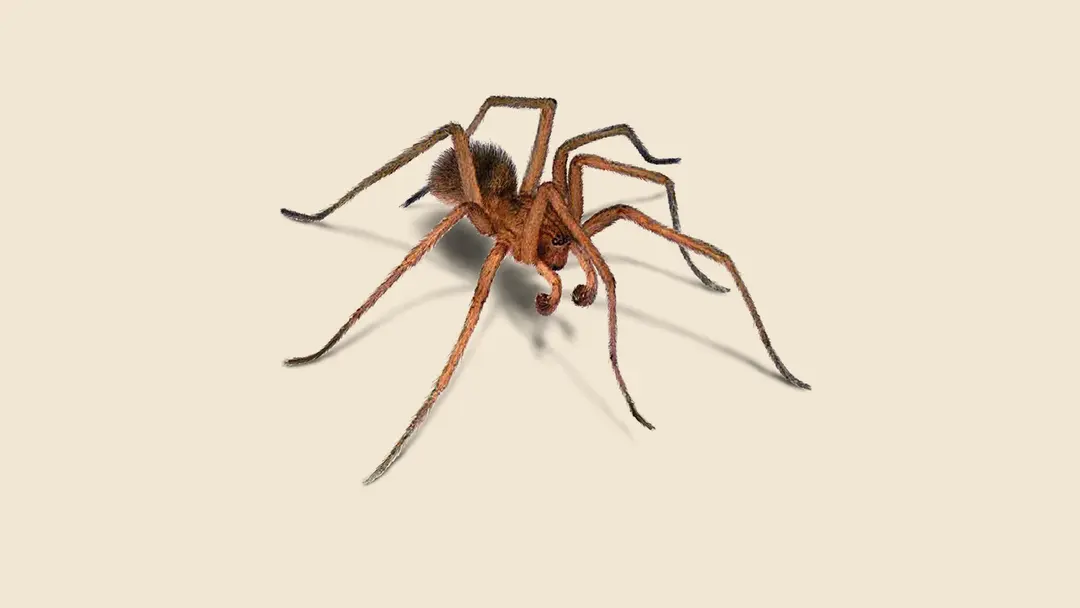
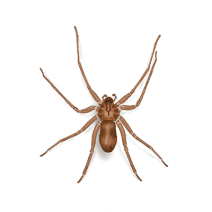
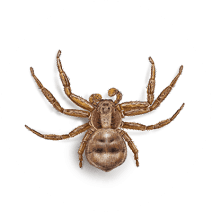
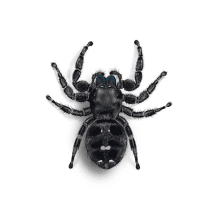
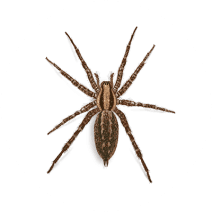
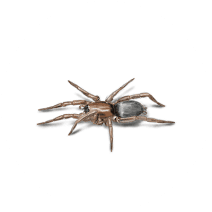
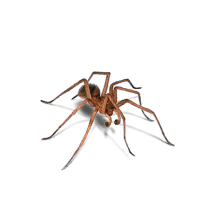
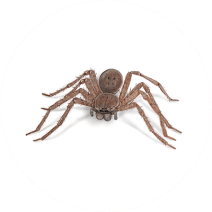
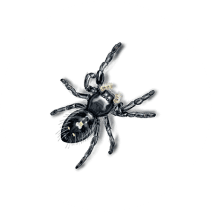
Tens of thousands of spider species have been identified throughout the world. These arachnids have eight legs, two body segments, and no wings or antennae. Spiders have three or four pairs of eyes. Many spiders have poor vision, but some species of spiders, such as the jumping spider, have exceptional vision.
Common Spiders
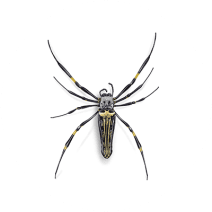
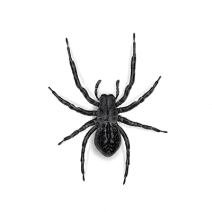
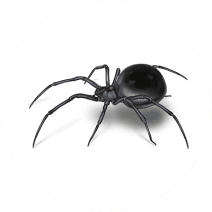
Learn More About Spiders That Build Webs


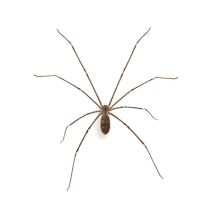
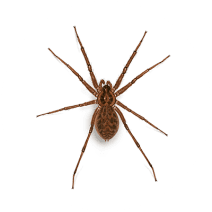


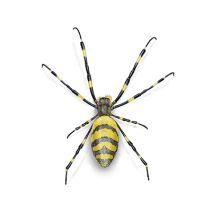


Common Spiders
Learn More About Spiders That Hunt






Spider Treatment
How do I get rid of spiders?
What Orkin Does to Get Rid of Spiders
While most spiders are harmless to humans, it isn’t fun to share your home with uninvited guests. It’s important to take action once you notice signs of a spider infestation. Keeping pests out of your home is an ongoing process, not a one-time treatment, and each spider type requires a certain course of action. In order to exterminate spiders and protect your home, it’s best to consult an Orkin Pro to properly identify a spider issue. The Orkin Pro Process is a continuing cycle of five critical steps:
-
Inspect: We begin with a detailed inspection of your home, inside and out, to locate spider activity, identify webbing and hiding areas, and uncover conditions that allow spiders to settle in.
-
Diagnose: Using expert knowledge of spider species and behavior, we determine what types of spiders are present and identify the factors, such as prey availability or structural gaps, driving the infestation.
-
Protect: We treat the perimeter, remove accessible spiderwebs, and use targeted, science‑based methods to reduce spider populations while sealing cracks and crevices to block new entry.
-
Monitor: We place monitors in key areas like kitchens, baths, utility rooms, and garages to track spider activity and adjust treatments as needed to help keep populations from returning.
-
Report: After every visit, we provide a clear service report outlining treatments completed, areas of concern, and steps you can take to help prevent spiders in your home.
Since every yard or home is unique, your Orkin Pro will design a custom spider extermination treatment program for your pest situation.
To learn more about spider infestations and how to protect your home, contact your local Orkin branch.
Frequently Asked Questions
Behavior, Diet & Habits
More Information About Spiders
What do spiders look like?
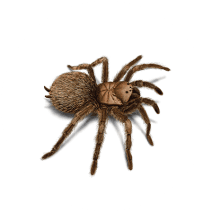
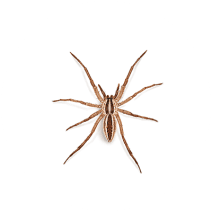
Spiders come in many shapes, sizes, and colors, but they all share unique features. They have two main body segments, the cephalothorax and abdomen, connected by a narrow waist. With eight legs, they’re easy to tell apart from insects, which have six. Their bodies can be smooth or hairy, and colors range from dull browns to vibrant reds, yellows, or greens.
Most spiders have multiple eyes, usually eight, arranged in patterns that help them detect movement and hunt. Many also have spinnerets at the rear of their abdomen to produce silk for webs, egg sacs, or safety lines. While their appearance can be unsettling, recognizing their features helps determine if they pose a risk or are harmless houseguests.
Where do spiders live?
Spiders are incredibly adaptable and can thrive in a variety of environments, both indoors and outdoors. Outdoors, they are often found in gardens, trees, under rocks, and in dense vegetation where they can build webs or hunt for prey. Indoors, spiders tend to seek out quiet, undisturbed areas such as basements, attics, and closets. They can also be found in corners of ceilings, behind furniture, or near windows and doors where their webs can trap unsuspecting insects.
What do spiders eat?
Spiders are carnivorous, feeding primarily on insects and other small arthropods. Some spiders create webs to capture flying or crawling prey, while others, such as wolf spiders, actively hunt without webs. Spiders may set up webs near light sources where insects are attracted, ensuring a reliable food supply.
Spider Lifespan
A spider’s life cycle consists of three main stages: egg, spiderling, and adult.
-
Egg: The life cycle begins inside a silk egg sac.
-
Spiderling: Upon hatching, young spiders (spiderlings) resemble miniature adults and undergo several molts as they grow.
-
Adult: Once mature, the primary focus becomes reproduction. Most house spiders live one to two years, while some species, like tarantulas, may live much longer.
How do spiders reproduce?
Females produce an egg sac from which emerge spiderlings. Spiderlings undergo a series of molts and eventually become adults. Males of many spider species court the female. For example, male jumping spiders perform elaborate dances to attract the attention of a female. Mating can be a dangerous event for males, since they may become a meal for the female afterwards.
What is spider silk?
Spiders produce silk using specialized glands called spinnerets located on their abdomen. Silk is used for various purposes, building webs for trapping prey, creating shelter, wrapping eggs, or serving as safety lines. Web patterns vary by species, including orb-shaped webs, cobwebs, or funnel-shaped retreats. It is important to note that not all spiders build webs. Some, like jumping spiders, are active hunters that do not rely on webs for capturing prey.