How To Check For Termites
Key Points
-
Mud Tubes: Pencil-sized dirt tunnels running up your foundation.
-
Swarmers: Flying termites (or their discarded wings) found near windowsills.
-
Hollow Wood: Timber that sounds empty when tapped or crumbles easily.
-
Frass: Tiny wood-colored pellets that look like sawdust or coffee grounds.
-
Stuck Windows/Doors: Frames that suddenly feel tight or warped.
How to Identify Termite Infestations
Termites can often live on your property or inside your home for an extended period of time before being detected. Whether it’s drywood termites, which burrow deep within wooden structures, or subterranean termites, which are primarily found underground, these discreet intruders can be tough to discover before significant damage has already been done. To help keep damage to a minimum, it’s crucial to catch the warning signs as soon as possible.
Three Big Signs of Termite Activity
If you see any of these signs of termite activity, it’s time to stop Googling and start calling a professional.
Mud Tubes
Subterranean termites need moisture to survive, so they build sheltered tunnels made of dirt and saliva to travel between the soil and your home.
-
What to look for: Brown, pencil-width veins running up your foundation, slab, or crawl space walls.
-
The Test: Break off a small piece of the mud tube. If it’s rebuilt within a few days, you have an active colony moving in.
Swarmers
Once a colony is mature, it sends out winged reproductive termites, called swarmers, to start new colonies. They usually appear in the spring.
-
What to look for: Dozens of flying insects near windows or light sources.
-
The Clue: Even if you miss the swarm, they often leave behind piles of discarded wings that look like fish scales on your windowsills.
Hollow or Damaged Wood
Termites eat wood from the inside out, leaving a thin veneer of paint or timber on the surface.
-
What to look for: Wood that looks crushed or rippled.
-
The Test: Tap on your baseboards or wall studs with a screwdriver handle. If it sounds hollow or papery, you’ve likely got pests hollowing it out.
Other Signs of Termite Activity You Might Miss
Sometimes termites are a little more subtle. Keep an eye out for these structural oddities.
Frass
Drywood termites are tidy creatures. They bore tiny holes in wood to push their droppings out of the nest.
-
Identification: Termite droppings, also known as frass, look suspiciously like a pile of sawdust, sand, or coffee grounds accumulating on the floor. If you clean it up and it comes back the next day, it’s frass.
Bubbling Paint or Drywall
Does your wall look like it has water damage, but there’s no pipe nearby? Termites introduce moisture into drywall, causing paint to bubble, peel, or discolor. You might also see tiny pinholes in the drywall where they’ve accidentally chewed through.
Stuck Windows and Doors
When termites eat through frames, the moisture they produce causes the wood to warp and swell. If a window that used to open easily is suddenly jammed, it might not be the humidity, it might be termites.
Warped Floors and Loose Tiles
That moisture termites bring in can also mess with your floors.
-
What to look for: Look for buckling or warped floorboards. If you have tile, excess moisture can loosen the grout, making the tiles feel loose underfoot. You might also notice your floors are extra squeaky, which could mean termites are munching on the support beams below.
Subterranean Termites vs. Drywood Termites
Subterranean and drywood termites are two destructive types of termites with distinct behaviors, habitats, and infestation patterns. Understanding their unique characteristics helps homeowners proactively protect their property from damage.
Signs of Drywood Termite Infestation
Drywood termites thrive in warm, southern climates and can cause significant problems for homeowners. Unlike subterranean termites, these pests establish their colonies directly within the wood they feed on, creating intricate tunnels and chambers in walls, furniture, and other wooden structures. One of the most noticeable signs of a drywood termite infestation is the presence of tiny, pellet-like droppings called frass, often found in small piles near infested areas.

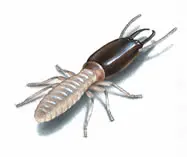
Illustration of Drywood Termite
Homeowners should also watch for sagging floors, walls, or ceilings that resemble water damage but lack an obvious source. Additionally, winged drywood termites, or swarmers, shed their wings after mating, leaving behind small piles of discarded wings that resemble fish scales.
If you notice any of these warning signs, it’s a good idea to get in touch with a termite exterminator. Early detection and swift action can help prevent extensive structural damage and preserve your home’s value.
Signs of Subterranean Termite Infestation
Subterranean termites are among the most common termite species in the continental United States and are notorious for their underground colonies and unique behaviors. Unlike drywood termites, these pests build their nests below ground and use mud tubes to travel above ground in search of food. These tubes, which look like dry, brown, cylindrical structures, are often found along a home’s foundation, particularly in areas with cracks or unsealed gaps.

Illustration of Subterranean Termite
Another key sign of a subterranean termite infestation is the appearance of winged swarmers. These reproductive termites typically emerge in large groups during the spring, leaving behind small piles of discarded wings near windows and doors.
If you notice mud tubes, swarmers, or other signs of subterranean termites, contacting an exterminator promptly can make a big difference in preventing serious damage and keeping your home safe.
Termite FAQs
Why do termites shed their wings?

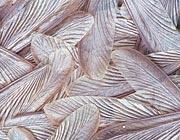
Discarded Termite Wings after Termite Swarm
Termite swarms may take place inside or outside of a home as mature termites leave the nest to start new colonies. Soon after swarmers take flight, they shed their wings. You may find small piles of wings in spider webs and on surfaces around your home’s foundation, like windowsills.
Why do termites swarm?

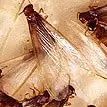
Formosan Termite Swarm
Swarmers from mature colonies typically leave the nest at one of two times per year - during the spring or during the fall. The exact timing of the swarms varies based on the species and weather conditions. Swarms on the exterior of a home may be missed by homeowners, as they are typically a brief event during the morning or afternoon – a time when many people are not at home. Formosan termites also can swarm at dusk.
What is a termite mud tube?
Subterranean termites build mud tubes (also known as shelter tubes) to serve as bridges between their colony and the wood they consume. These tubes are made of tiny pieces of soil, wood and debris, and are used to protect the colony from predators and conserve moisture.
What do termite droppings look like?
After consuming wood, drywood termites often leave behind frass or droppings. These tiny fecal mounds often indicate a nearby termite infestation.

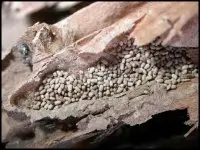
Drywood Termite Droppings
Professional Termite Control
If you suspect termite activity on your property, make sure to contact an exterminator as soon as possible. Orkin Pros are trained to address any current signs of termites in a house, as well as implement solutions to help prevent future issues. Through a specialized approach to termite control, Orkin can help protect your home with a termite treatment plan suited to your specific needs.
Don’t let termites eat through your home! To learn more about how to get rid of termites, schedule a free termite inspection with an Orkin Pro today!
More Termite Resources
Learn the many signs of termite damage, how to identify a termite infestation and what to do to resolve the situation.
Learn how to recognize the different types of drywood termite droppings, or frass, and which type of termite they belong to.
Follow the life cycle of a termite from mating to adulthood.
Familiarize yourself with the many types of termite colonies, how they function, their different sizes and how to identify which species of termite calls it home.