Hidden Signs of Bird Infestations Most Commercial Properties Miss
Key Takeaways
-
Bird pressure often starts subtly with droppings, perching or noise, not full infestations.
-
Repeated bird activity in the same locations is a sign birds are becoming established.
-
Nesting materials or roosting patterns indicate a more urgent compliance and sanitation risk.
-
Addressing bird pressure early helps reduce property damage, safety hazards and costly remediation.
-
A proactive plan combining inspection, sanitation, exclusion and monitoring is the most effective way to manage bird activity.
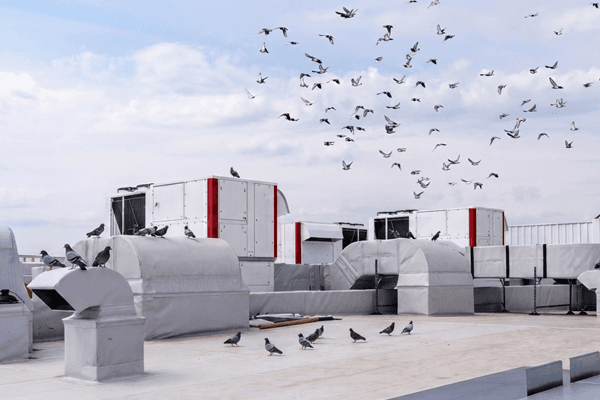
Bird pressure often develops gradually around commercial buildings, starting with subtle signs that are easy to overlook. Left unchecked, these early indicators can lead to property damage, sanitation concerns and compliance risks. Spotting them early gives you a chance to act before they become harder and more expensive to manage.
Bird activity rarely shows up all at once. It builds quietly, then turns into cleanup issues that disrupt operations and draw unwanted attention. For facility managers, it often starts with missed early signs.
Early Signs of Bird Pressure Businesses Should Watch For (Droppings, Perching and Roosting)
The earlier you spot bird activity, the easier it is to respond before it becomes a larger problem.
Bird droppings are acidic and can damage surfaces while creating unsafe conditions underfoot. But the bigger issue is what follows — ongoing bird pressure can interrupt operations and raise compliance risks that are harder to ignore.
Concentrated Bird Droppings in High-Traffic Areas
Bird droppings are often the first visible indicator of recurring bird activity at commercial properties, especially when they collect in specific areas. Key locations to look out for include:
-
Ledges
-
Loading docks
-
Sidewalks
-
Rooftops
-
Under signage
When bird droppings are observed on sidewalks and ledges, look above for signs of birds resting or nesting overhead.
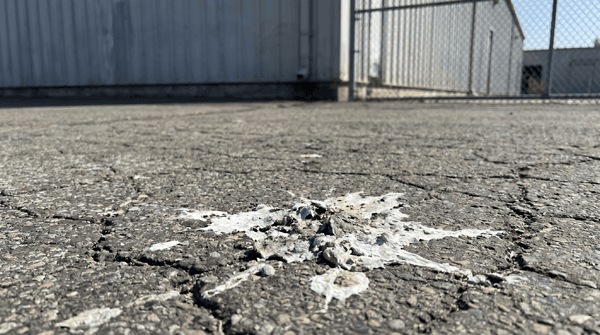
Spotting droppings early can help you clean and correct the issue before surfaces are damaged or the area becomes unsafe. It can also help avoid costly cleanup and reduce the chance of a visible problem that customers or tenants notice right away.
Birds Repeatedly Perching in the Same Locations
Take notice of where you’re seeing bird activity. If you’re seeing birds on the same ledge, roof edge, sign or HVAC unit, that usually means the site is offering something they want. Pigeons often prefer flat surfaces and structural features that provide cover on multiple sides, helping shield them from weather and predators while giving them a good view of the area below.
Even occasional perching near entry points can increase the chances of birds getting inside your building. Once inside, they can be difficult to remove and may create sanitation and operational concerns.
Repeated perching is a warning that birds are becoming comfortable. Addressing those spots early can help you avoid heavier pressure later, when birds are more difficult to move and more likely to leave droppings, nesting materials and property damage behind. Readily available food and water in an ideal shelter area can also increase the risk of bird issues.
Birds Roosting Regularly on Your Property
Roosting is different from occasional perching for rest. When birds begin to gather in the same place regularly, especially at dawn or dusk, this usually means that the site may already be supporting an established pattern of activity. That often happens near warm, protected or elevated areas where birds feel safe from predators.
Roosting is a sign to act now, not later. The sooner you interrupt it, the more likely you are to avoid long-term build-up, sanitation concerns and the kind of recurring issues that become expensive to keep chasing.
Nesting Material Found in Gutters or Vents
Twigs, feathers, straw and other nesting debris are clear signs that birds are moving beyond simple presence and into active setup.
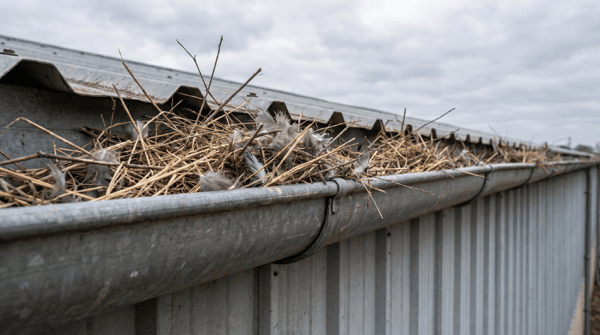
You’ll commonly see these materials turn up in:
-
Gutters
-
Vents
-
Rooflines
-
Eaves
-
Mechanical spaces (like streetlamps)
Finding nesting material early can save you from more serious structural issues down the line. Once nests are active, response options can become limited. It can also help you avoid delays tied to active nest protections under the Migratory Bird Treaty Act of 1918 (MBTA).
Frequent Bird Noise or Circling Activity
Birds are almost always on the move, so persistent bird calls or repeated circling of the same area can point to a developing problem. Noise is easy to overlook, but it often shows up before the mess does.
Paying attention to that activity helps you act before the problem spreads into work areas or customer-facing spaces.
What to Do Next
Catching the early warning signs is just the start, but the bird control techniques you use determine your results. Start with a site inspection to identify the attractants and areas birds are using most often.
Once you’ve identified them, build a plan around three essentials:
Bird control works best when it’s consistent. A simple checklist can help your team stay on track and avoid missed steps. For a practical starting point, explore Orkin’s Bird Control Guide.
How Orkin Helps Manage Bird Pressure
Birds adapt quickly, and DIY fixes rarely hold up against ongoing pressure. Backed by local knowledge and regulatory guidance, Orkin’s bird control program can help identify the species, document activity and put the right tools in place for your property and your local regulations.
That matters because the goal is not just to move birds once. It’s to help prevent them from settling in the first place. Connect with an Orkin Pro to help stop birds before they settle in — before a small issue turns into a larger operational problem.
FAQs About Bird Control
1. What are the early warning signs of bird activity at a business?
Early signs of bird activity include droppings building up in specific areas, birds repeatedly perching in the same spots, nesting materials in gutters or vents, regular roosting and increased bird noise or circling activity.
2. Why is bird droppings build-up a problem for commercial properties?
Bird droppings are acidic and can damage building materials, create slip hazards and lead to sanitation concerns. If left unchecked, they can also hurt your property’s appearance and create costly cleanup needs.
3. What does repeated bird perching mean?
Repeated perching usually means birds have found a spot they like and are returning to it often. That can be a sign the area offers shelter, safety and access to food or water.
4. How do you know if birds are roosting on your property?
Birds roosting on a property often gather in the same area regularly, especially early in the morning or at dusk. This pattern usually means the site is becoming a reliable place for birds to rest or nest.
5. Where do birds usually build nests around commercial buildings?
Birds like pigeons, house sparrows and European starlings commonly build nests in gutters, vents, rooflines, eaves and other protected or elevated spaces. These areas offer shelter and can be easy for birds to access if they are not monitored.