Sweat Bee Fact & Information
Protect your home or business from sweat bees by learning techniques for identification and control.
Sweat Bee Treatment
How do I get rid of sweat bees?
How to Remove Halictid Sweat Bees Safely
-
Be Sure you are dealing with Bees Some “sweat bees” are not bees at all. Hover flies or syrphid flies are often called “sweat bees” in some areas. These are incredibly beneficial insects, eating the aphids and lace wings that are damaging your plants. And they pose no threat to people at all. So you might actually want them around in your yard!
-
Reduce Halictid Sweat Bee Attractants
Make yourself less appealing to them. Wipe perspiration from your skin frequently when working outdoors. Avoid wearing strongly scented lotions or perfumes, which can mimic the smell of flowers. Finally, secure sugary drinks, ripe fruits, and food waste when eating outside. -
Discourage Halictid Sweat Bee Nesting in Soil
Since they prefer dry, compact, bare soil, altering your landscaping will drive them away naturally. Water dry soil patches frequently to make the ground less hospitable for tunneling. Apply mulch over bare dirt and plant thick ground cover to eliminate open nesting areas. -
Use Natural Deterrents
You can use natural scents to keep Halictid Sweat Bees away from your seating areas. Light citronella candles around your patio. Spray peppermint essential oil mixed with water around your deck and furniture. Vinegar-and-water sprays applied near porch railings also help repel them without causing harm. -
Install Bee-Deterring Fans
Moving air disrupts a Halictid sweat bee's flight path. Installing an outdoor ceiling fan or using a portable oscillating fan creates airflow that makes it highly difficult for flying insects to land on your skin. -
Move or Block Access to Nests
If you locate a nest, you can encourage the bees to relocate. Fill unused soil holes with dirt. Remove rotting logs or woodpiles near your home. You can also place gravel or stepping stones directly over known ground-nesting spots to safely block their access.
Important: Avoid pesticides if possible. Sweat bees are ecologically valuable pollinators that keep our gardens growing.
What Orkin Does to Help Get Rid Of Sweat Bees
Your local Orkin Pro is trained to help manage sweat bees and similar pests. Since every building or home is different, your Orkin Pro will design a unique treatment program for your situation.
Orkin can provide the right solution to keep sweat bees in their place...out of your home, or business.
Frequently Asked Questions
Behavior, Diet & Habits
Understanding Halictid Sweat Bees
Scientific Classification for Halictid Sweat Bees
Halictid sweat bees make up the Halictidae family, which is one of the largest families of bees in the world. With thousands of species spanning across multiple continents, they showcase incredible diversity in both appearance and lifestyle.
What Do Halictid Sweat Bees Look Like?
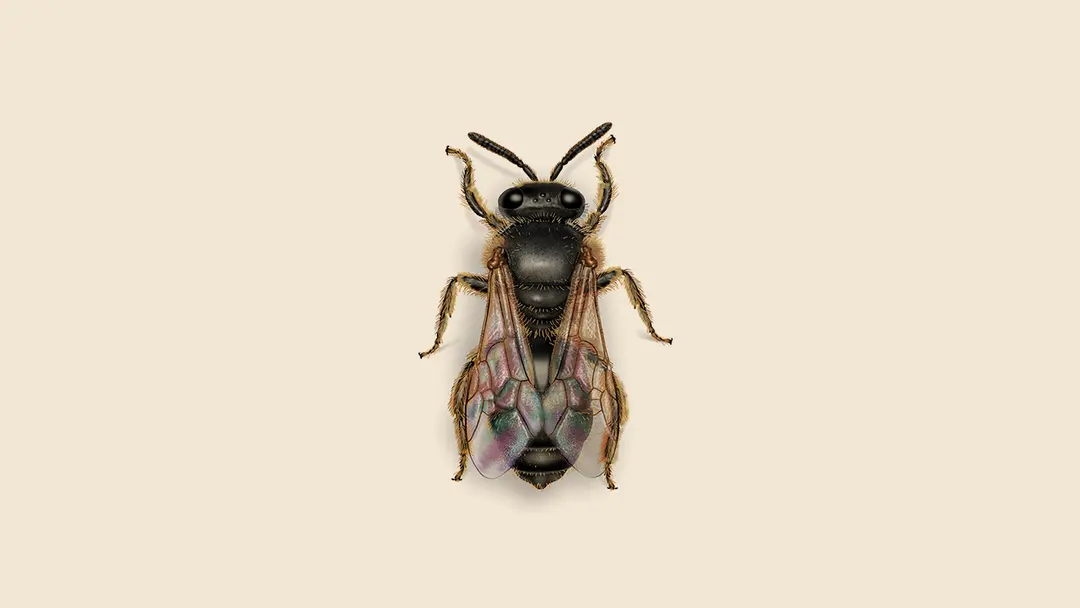
Halictid sweat bees, also known as ground bees, are second only to honey bees in terms of population. Some species are dark brown with little coloration. However, some species, like some of the cuckoo bees, have metallic-colored green bodies, giving them a jewel-like appearance. Many Halictid sweat bees also feature distinctive striped patterns similar to honeybees, with bands in shades like green, red, or yellow. These insects are also slender and rarely grow over three-quarters of an inch in length.
Where Do Halictid Sweat Bees Nest?
Halictid sweat bees are important pollinators that often build their nests in the soil. They prefer well-drained, sunny areas with little to no vegetation, such as patches of bare ground. If you spot small mounds of dirt with a tiny entrance hole in your lawn, garden, or even along cracks in sidewalks or driveways, you may have found a ground bee nest. Some species prefer rotting lumber in forest areas. Halictid sweat bees play a vital role in pollination, but their nesting habits can sometimes create concerns for homeowners. If their presence becomes an issue, understanding their nesting behavior can help you determine the best course of action.
What Do Halictid Sweat Bees Eat?
Sweat bees rely on a completely vegetarian diet, but they have one unique craving that brings them into contact with humans.
1. Nectar & Pollen
Like other bees, Halictid sweat bees sustain themselves primarily on nectar and pollen gathered from blooming flowers. The nectar provides them with energy-rich carbohydrates, while the pollen offers essential proteins needed to feed their young.
2. Salt Craving (Why They Like Sweat)
You might wonder why these bees relentlessly land on you during a workout or a hot afternoon outdoors. Sweat bees need moisture and salt to supplement their diet, and human sweat provides a perfect source of both. When they land on your skin, they are simply trying to drink your perspiration to gather the nutrients they need to survive.
How Did Halictid Sweat Bees Get Their Name?
While foraging, ground bees obtain pollen and nectar from a variety of common flowers. However, Halictid sweat bees must supplement their diets with salt and moisture. This is often accomplished through feeding on human sweat, so the pests can become nuisances during hot days.
Halictid Sweat Bee Behavior
Unlike honey bees, sweat bees don't produce honey and avoid making nests in attics or wall voids. Still, they sometimes live among buildings, sheds, and patios that contain exposed or damaged wood.
Sweat bees are generally docile, but females can deliver a mild sting if swatted or aggravated. At times, they are known to swarm in the hundreds.
Halictid Sweat Bee Lifecycle
The lifecycle of a sweat bee is fascinating and varies significantly depending on the specific species. Sweat bees undergo complete metamorphosis, which includes four distinct stages: egg, larva, pupa, and adult.
The female provisions each underground cell with a small ball of pollen and nectar. She lays a single egg on this pollen ball before sealing the chamber with a waxy secretion that hardens to protect the egg cell. The egg hatches into a larva, which consumes the food, eventually pupating and emerging as an adult bee.
Social vs. Solitary Species
The Halictidae family includes both solitary and social species. Many sweat bees are entirely solitary, meaning a single female builds her nest and cares for her young alone. However, some species display primitive social behaviors, forming small colonies where multiple females share a single nest entrance while maintaining their own private breeding cells. Many scientists believe that this is an example of “evolution in motion” showing how bees and wasps developed from solitary insects to complex social animals like honey-bees, ants and some wasps.
Halictid Sweat Bees in the Food Chain
Sweat bees occupy an important middle ground in the local food web, serving as both active foragers and a food source for other animals.
Predators That Eat Halictid Sweat Bees
Because of their small size, sweat bees fall prey to various predators. Birds, spiders, praying mantises, and certain types of predatory flies routinely hunt them.
Do Halictid Sweat Bees Prey on Anything?
Sweat bees are entirely vegetarian pollinators. They do not hunt or prey on other insects. Their sole focus is gathering nectar and pollen from flowers.
Ecological Importance of Halictid Sweat Bees
We cannot overstate the ecological value of sweat bees. They serve as major native pollinators, playing a vital role in plant reproduction. Because of their small size, they can pollinate tiny flowers that larger bees cannot access. Many native wildflowers, crops, and fruit trees rely heavily on the continuous foraging efforts of sweat bees to produce seeds and fruit.
When You Should Remove Halictid Sweat Bees
You generally only need to remove sweat bees if they establish high activity zones near primary entryways, patios, children's playgrounds, or pet areas. If you or a family member has a severe bee allergy or if repeated stinging incidents occur, then action should be taken to safely remove them.
Exclusion for Halictid Sweat Bees
Sweat bees are drawn to bare soil in sunny areas, making treeless, well-lit yards a common target for infestations. To keep these pests from nesting, it’s important to minimize exposed ground surfaces. Cover bare patches with mulch, ground cover plants, or grass seed to make potential nesting spots less appealing. Compacting the soil and using landscape fabric can provide additional barriers. Planting dense vegetation to create shaded areas can also discourage ground bees, as they prefer open, sunny locations. Some species use rotted wood so keeping wood piles away from areas where people congregate will help discourage them from flying too close by as well. While it may be difficult to completely eliminate them, these strategies can help manage sweat bee activity and protect your outdoor spaces.
In cases of large numbers of sweat bees, contact your local Orkin branch for assistance. Our experienced Orkin Pros are trained in the safe removal of pests from around the home.