Rodent Control FAQs for Businesses
Key Takeaways
-
Rodent problems in commercial buildings often start with rodents entering through small openings, like those around loading docks, utility openings, storage rooms and receiving areas.
-
Inbound cargo can be a source of rodent infestation; when shipments comes from facilities that are already infested, rodents can spread through the supply chain.
-
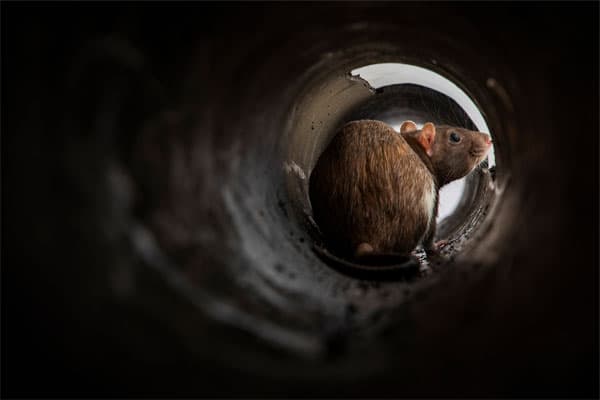
Mice and rats can contaminate products, chew electrical wiring and damage property and inventory. They can also create compliance concerns, ruin brand reputations and pose significant public health risks.
-
Routine inspections, exclusion and good sanitation help reduce rodent pressure by eliminating entry points and removing food, water and shelter that rodents need to survive.
-
The earlier you spot rodent activity, the easier it is to help prevent property damage, public health risks, operational disruptions and compliance concerns.
Rodents aren’t a problem you can afford to ignore. In commercial buildings, they can contaminate products, damage property and disrupt daily operations. More importantly, they can create public health risks associated with foodborne pathogens and contaminated cargo. Thankfully, most rodent issues can be caught earlier than people think if you know what to look for.
What Is the Best Way to Help Prevent Rodents in Commercial Buildings?
The best way to help prevent rodents in commercial buildings is through a combination of monitoring, exclusion, sanitation and employee education. By identifying potential entry points and addressing food, water and shelter sources, businesses can help reduce the risk of rodent activity before it affects operations.
Rodent prevention is most effective when it becomes part of a facility's ongoing maintenance and risk management program rather than a one-time effort.
Why Are Rodents a Problem for Businesses?
Rodents aren’t just a sign of an unsanitary environment. They can:
-
Directly damage inventory and stored products
-
Contaminate cargo with foodborne and human pathogens
-
Chew through wires and insulation
-
Damage packaging and equipment
-
Trigger customer complaints
-
Disrupt daily operations
-
Create compliance issues
-
Damage brand reputations
In some industries, even a small rodent issue can trigger audit problems, customer complaints or temporary shutdowns. That is especially true in food processing, foodservice, healthcare, hospitality, property management and other quality and compliance-based environments.
It's important to get ahead of rodents before they affect your operations, your reputation and your bottom line.
What Attracts Rodents to a Facility?
Rodents are looking for three things:
-
Food
-
Water
-
Shelter
If your building offers all three, they will try to move in. Norway rats, roof rats and house mice (a group known as commensal rodents) live in environments created by humans, including commercial facilities. Spills, trash, standing water, clutter and easy access points all make a facility more attractive. Poor sanitation and weak exclusion efforts only make the invitation stronger.
Removing access by sealing entry points, eliminating food and water sources and reducing clutter that rodents use for shelter all help make a facility less attractive to rodents.
How Do Rodents Get Into Commercial Buildings?
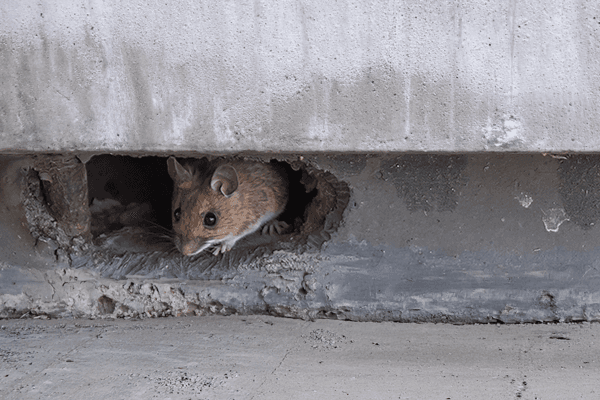
Rodents usually enter through small openings that people overlook, like:
-
Gaps around doors
-
Loading docks
-
Utility lines
-
Vents
-
Pipes
-
Damaged walls, windows and doors
-
Roof penetrations
-
Foundation cracks
-
HVAC openings
Rodents do not need much space. A mouse can squeeze through a gap as small as a quarter of an inch. Rats need a little more room, about half an inch, but they are still experts at finding weak spots in a building’s exterior. If there is an opening, rodents will find it.
Facilities with frequent deliveries should also inspect incoming shipments and receiving areas, since rodents can occasionally sneak in on pallets, in cargo containers or in packaging.
Where Do Rodents Hide Once They Get Inside My Building?
Rodents like quiet, protected areas close to food, water and nesting material. They also favor cluttered areas that provide the cover they need to stay hidden.
In commercial settings, rodents can hide in and around:
-
Storage rooms
-
Ceiling spaces
-
Equipment
-
Wall interiors
-
Dumpsters
-
Loading docks
-
Cardboard boxes
-
Stored supplies
-
Locker rooms
This means that a building can have rodent activity present long before anyone sees a mouse or rat out in the open.
What Are Common Signs of Rodent Activity?
The early signs are usually easier to spot than the rodents themselves.
Any one of these signs deserves attention:
-
Droppings
-
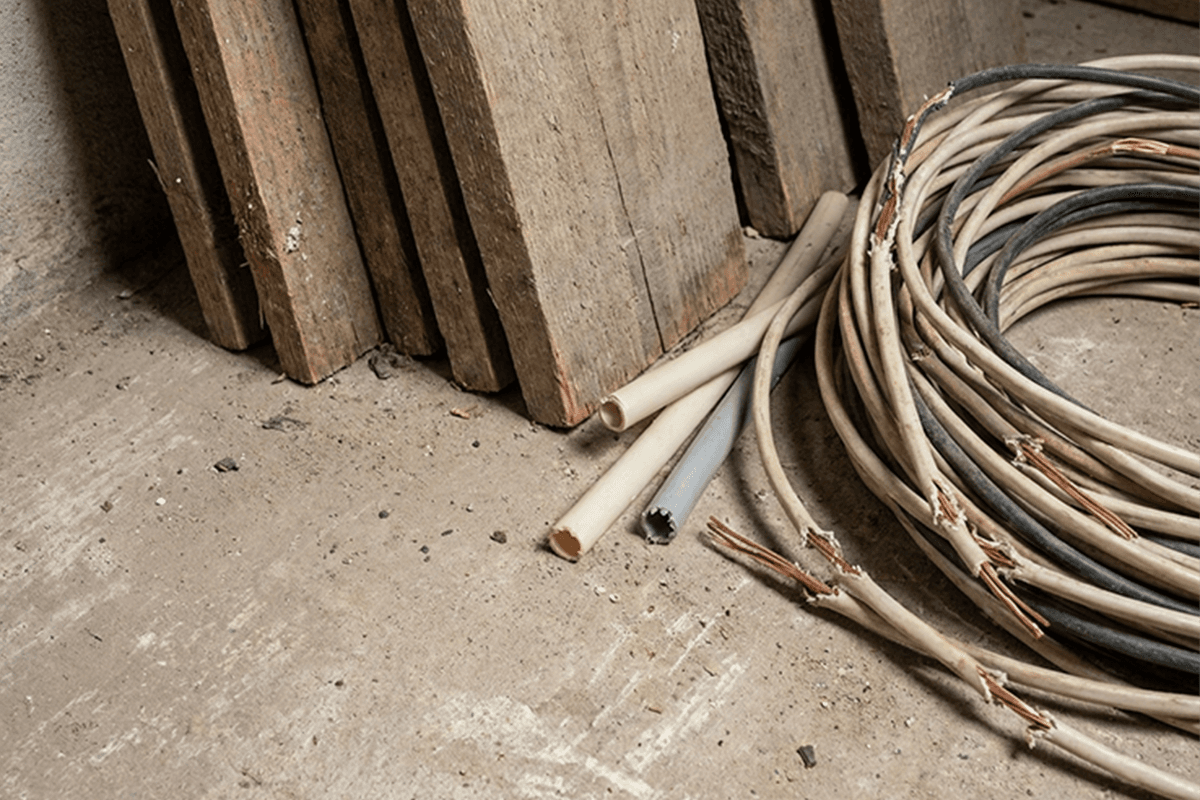
Gnaw marks
-
Greasy rub marks along walls
-
Nesting material
-
Damaged packaging
-
Scratch sounds in walls or ceilings
-
Torn food packaging
-
Chewed wires
-
A musky odor in enclosed spaces
Finding repeated signs in the same location usually indicates ongoing activity rather than an isolated incident.
What Should Businesses Do First if They Suspect Rodent Activity?
-
Start with an inspection. You need to identify where rodents are getting in, where they are hiding and what is helping them stay. This often requires a professional to help identify entry points and nesting areas that can go unnoticed by an untrained eye.
-
Next, focus on exclusion, sanitation and monitoring. Seal openings, remove attractants and check problem areas regularly so the issue does not grow. Trying to solve a rodent problem without finding the source usually means it will come back — possibly even worse than before.
How Often Should Commercial Buildings Inspect for Rodent Activity?
High-risk facilities should inspect loading docks, receiving areas, storage rooms and other vulnerable areas routinely, at least once a week.
Lower-risk facilities should still have routine monitoring, perhaps biweekly or monthly, with a consistent inspection cadence.
Regular inspections help identify rodent activity and structural issues before they become larger problems.
How Can Businesses Help Prevent Rodent Infestations?
Rodent prevention works best when it’s routine.
-
Inspecting doors, docks, vents and utility openings
-
Keeping storage areas organized
-
Removing trash quickly and storing it in rodent-proof bins between pick-ups
-
Fixing maintenance issues before they spread
-
Maintaining a thorough sanitation plan
-
Implementing exclusion measures
-
Establishing routine facility maintenance inspections
It also helps to educate and train staff on what to look for. Employees often notice the first signs — if they know those signs matter. Rodent prevention is a system of small habits and routines that help keep rodents outside.
Want a more detailed prevention plan? Use our Rodent Guide for Businesses to identify common risk areas and practical steps that can help keep rodents outside.
Why Do Rodent Problems Keep Coming Back?
Recurring rodent issues often indicate that the underlying causes have not been addressed.
Common reasons rodent activity returns include:
-
Unsealed entry points
-
Ongoing food access
-
Water leaks
-
Cluttered storage areas
-
Inconsistent monitoring
-
Poor waste management practices
Without addressing these contributing factors, rodents may continue to return even after visible activity declines.
Does Good Sanitation Really Help Prevent Rodents?
Yes. Good sanitation removes food and water sources, while reducing clutter limits places rodents can hide and nest. Sanitation works best when combined with exclusion and routine inspections. Removing the resources that rodents need to survive helps make the building less attractive to them.
What Is Rodent Exclusion?
Rodent exclusion focuses on sealing the gaps, cracks and structural openings rodents use to enter a building. Combined with sanitation and monitoring, exclusion is one of the most effective long-term strategies for helping reduce recurring rodent activity.
When Should a Business Call a Professional for Rodents?
Call a professional if your commercial operations require compliance or quality auditing, you see repeated signs of activity, find multiple entry points or cannot keep rodents out with basic repairs and housekeeping.
An Orkin Pro can help identify pressure points, recommend exclusion steps and build a plan that fits your building’s needs. That is especially important in facilities where compliance, quality assurance, product protection, healthcare standards or customer experience are on the line.
Still Have Questions About Rodent Control?
The fastest way to a rodent infestation is to ignore the early signs.
Every facility is different, but the approach for helping prevent rodents is the same: find rodent activity early, close entry points and address the conditions that attract pests before they become bigger problems. If you need help identifying risks or building a rodent prevention plan, an Orkin Pro can help.
Schedule a free inspection to help protect your business from rodent activity before it disrupts your operations.