Surinam Cockroach Facts & Information
Protect your home or business from Surinam cockroaches by learning techniques for identification and control.
Surinam Cockroach Treatment
How do I get rid of Surinam cockroaches?
What You Can Do to Get Rid of Surinam Cockroaches
Effective pest management of Surinam cockroaches focuses on habitat modification and moisture control.
1. Reduce Excess Moisture
-
Improve drainage
-
Avoid overwatering
-
Repair irrigation leaks
-
Increase airflow around plants
2. Remove Harborage Areas
-
Reduce excessive mulch depth
-
Remove debris piles
-
Clear leaf litter
-
Keep compost managed properly
3. Inspect New Plants
Before introducing new plants:
-
Check root balls
-
Examine potting soil
-
Isolate greenhouse arrivals
What Orkin Does
Your local Orkin Pro is trained to help manage Surinam cockroaches and similar pests. Since every building or home is different, your Orkin Pro will design a unique cockroach treatment program for your situation.
Orkin can provide the right solution to keep Surinam cockroaches in their place and out of your home or business.
Frequently Asked Questions
Behavior, Diet & Habits
Understanding Surinam Cockroaches
What Is a Surinam Cockroach?
The Surinam cockroach (Pycnoscelus surinamensis), often called the greenhouse cockroach, is a burrowing cockroach species found throughout tropical and subtropical regions around the world. Unlike common indoor pest cockroaches, Surinam cockroaches spend most of their lives underground in moist soil, mulch, compost, and plant beds.
They are best known for their unusual reproductive system: most populations consist almost entirely of females that reproduce without males through parthenogenesis.
Signs of a Surinam Cockroach Infestation
Look for the following indicators:
-
Small burrows in moist soil
-
Cockroaches beneath mulch or landscape fabric
-
Increased activity after watering
-
Root damage on young plants
-
Roaches emerging at night in garden beds
Greenhouses and tropical plant collections are particularly vulnerable.
How to Identify a Surinam Cockroach
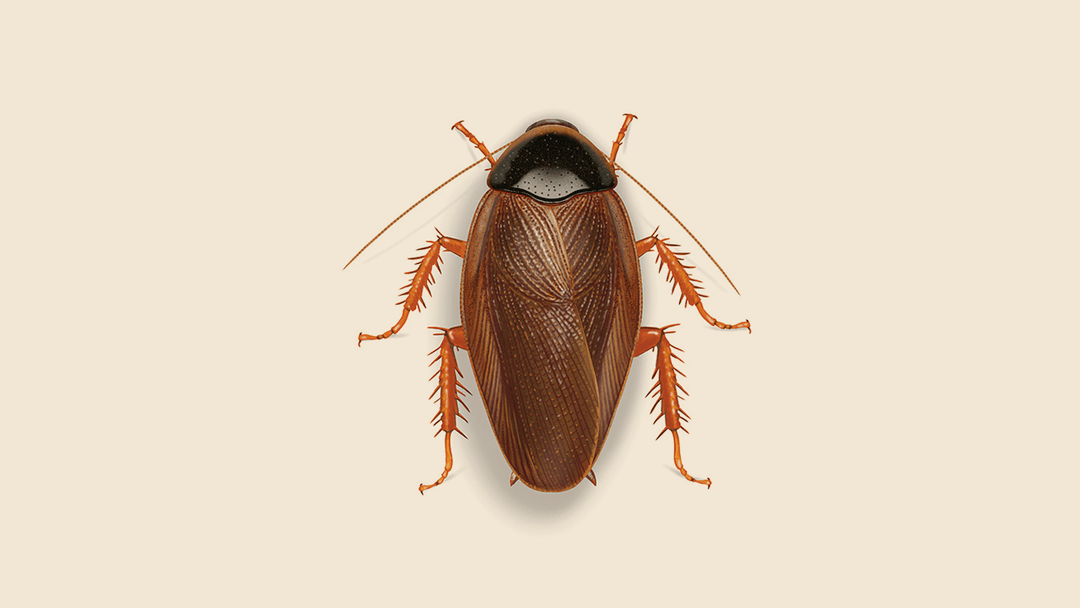
Surinam cockroaches look different from many household roaches.
Key Identification Features
-
Glossy dark brown or black body
-
Light brown wings covering most of the back
-
Pale band near the front edge of the pronotum (shield behind the head)
-
Oval, flattened body shape
-
Strong legs adapted for burrowing
-
Rarely observed flying
Because they spend most of their time hidden in soil, homeowners frequently discover them while gardening or repotting plants.
Where Do Surinam Cockroaches Live?
Surinam cockroaches thrive in warm, humid environments with abundant organic matter.
Common Habitats
-
Garden beds
-
Mulch layers
-
Compost piles
-
Greenhouses
-
Plant nurseries
-
Leaf litter
-
Potted plants
-
Under rocks and logs
In the United States, they are most commonly found in southeastern states where temperatures and humidity support year-round survival.
What Do Surinam Cockroaches Eat?
Surinam cockroaches are primarily detritivores, meaning they feed on decomposing organic material.
Preferred Foods
-
Decaying leaves
-
Plant debris
-
Organic mulch
-
Fungi
-
Compost material
-
Soft roots and seedlings
Although they contribute to decomposition, large populations can damage ornamental plants, seedlings, and greenhouse crops.
Unique Reproduction: Why Surinam Cockroaches Spread So Easily
One of the most fascinating aspects of Surinam cockroaches is their ability to reproduce without males.
Parthenogenesis Explained
Most Surinam cockroach populations consist almost entirely of females. These females produce offspring through parthenogenesis, allowing a single individual to establish a new population when transported in soil or potted plants.
Why It Matters
-
Faster population establishment
-
Easier spread through nursery stock
-
Increased survival in isolated environments
-
Persistent greenhouse infestations
This reproductive strategy helps explain their global distribution.
Are Surinam Cockroaches Dangerous?
For most homeowners, Surinam cockroaches are considered a nuisance rather than a serious health threat.
Potential Concerns
Plant Damage
Large populations may:
-
Feed on tender roots
-
Damage seedlings
-
Reduce greenhouse plant quality
-
Stress ornamental plants
Indoor Issues
Although they occasionally wander indoors, they do not typically establish major household infestations like German cockroaches.
Allergens
Like other cockroach species, they may contribute to allergy symptoms in sensitive individuals when present in large numbers.
Surinam Cockroach vs. German Cockroach
Primary Habitat
-
Surinam Cockroach: Soil and mulch
-
German Cockroach: Inside homes and buildings
Reproduction
-
Surinam Cockroach: Mostly female populations
-
German Cockroach: Male and female reproduction
Pest Risk
-
Surinam Cockroach: Garden and greenhouse pest
-
German Cockroach: Major indoor pest
Behavior
-
Surinam Cockroach: Burrowing
-
German Cockroach: Indoor foraging
Flying Ability
-
Surinam Cockroach: Poor flyer
-
German Cockroach: Rarely flies