How to Get Rid of Ground Bees Safely
Key Takeaways
-
Ground bees are vital pollinators and play an essential role in supporting the ecosystem. Avoid harming them whenever possible.
-
Identify ground bees correctly to ensure you are not mistaking them for more aggressive insects like wasps or yellow jackets.
-
Prioritize non-lethal removal methods, such as adjusting lawn care routines or gently encouraging them to relocate.
-
For persistent infestations, consult with a pest control professional who can provide safe and eco-friendly solutions.
Tips for Dealing with Ground Bees Safely
You step out into your yard to enjoy a warm spring afternoon, only to find small mounds of dirt and buzzing insects hovering over your lawn. Your first instinct might be to panic and look for ways to eliminate them immediately. But before you reach for the bug spray, it helps to understand exactly what you are dealing with.
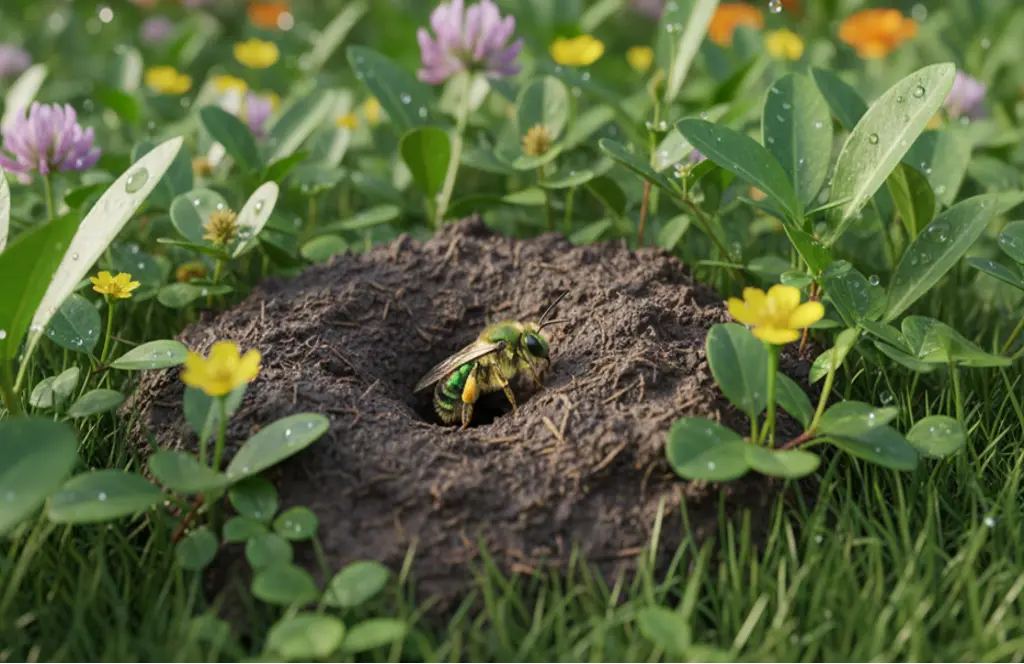
"Ground bees" is not a scientifically accepted name for a specific insect. Instead, it is a catch-all term people use to describe a disparate group of bees that dig holes in the soil to create nests. This group includes mining bees (Andrenidae), sweat bees (Halictids), cellophane bees (Colletidae), and even certain types of bumble bees.
This guide will show you how to identify these buzzing neighbors, assess if they actually pose a threat, and share eco-friendly ways to manage their presence without hurting the local ecosystem.
Understanding Ground Bees
To effectively manage these insects, you need to understand their behavior. Most bees we picture live in hives, but many species prefer the soil beneath our feet.
What Are Ground Bees?
As mentioned, the term refers to various bee families that nest underground. Most of these bees are solitary, meaning every female creates her own nest to lay eggs. However, some species, like species belonging to the bumble bee genus, Bombus, form small nests underground, often taking over abandoned rodent holes.
Ground bees typically prefer dry, sandy soil with sparse vegetation. The solitary groups dig small tunnels, lay their eggs, provide pollen for their young, and seal the chambers. While the colony forms like bumble bees, they build their nests underground. Their active season above ground is usually very short, often lasting just a few weeks in the early spring.
Why Are They Beneficial?
Before deciding how to get rid of ground bees, consider their immense value to the environment.
-
Exceptional Pollinators: They are incredibly efficient at pollinating flowers, fruits, and vegetables. Early-emerging ground bees are vital for spring-blooming crops.
-
Soil Aeration: The tunnels they dig help aerate your lawn, allowing water and nutrients to reach plant roots more easily.
-
Biodiversity: They play a crucial role in maintaining healthy local ecosystems, supporting plant growth that feeds other wildlife.
Identifying Ground Bees in Your Yard
Proper identification ensures you choose the right management strategy. Ground bees look and act differently from aggressive wasps or yellow jackets, which also nest in the ground.
Signs of Ground Bee Activity
Look for these key indicators in your yard:
-
Small, volcano-shaped mounds of dirt, usually one to two inches high.
-
A distinct hole in the center of the mound, about the width of a pencil.
-
Bees flying low to the ground in a zig-zag pattern, especially on sunny days.
-
Nests clustered together in bare, dry patches of your lawn.
Common Types of Ground Bees
While they share nesting habits, the bees themselves vary:
-
Mining Bees (Andrenidae): Usually black or dull brown, they are solitary and very peaceful.
-
Sweat Bees (Halictids): Often metallic green or brassy in color. They are small and attracted to human sweat.
-
Cellophane Bees (Colletidae): Named for the plastic-like substance they use to line their nests.
-
Bumble Bees: Larger, fuzzy, and black and yellow. They are social bees that defend their small underground colonies if threatened.
Should You Get Rid of Ground Bees?
Finding bees in your yard naturally causes concern, especially if you have children or pets. However, eradication is rarely the best first step. A pest professional can assess the situation and help you deter them from areas where they can be a nuisance.
1. Assessing the Situation
Take a moment to observe the bees. Most solitary ground bees are extremely docile. The females rarely sting unless physically crushed, and the males do not even have stingers. Often, the busy buzzing you see is simply males looking for mates or collecting nectar from nearby flowers. If the bees are located in an unused corner of your yard, the best approach is simply to leave them alone.
2. When Removal May Be Necessary
Sometimes, coexisting is not an option. You might need to take action if:
-
You or a family member has a severe bee allergy.
-
The nests are in a high-traffic area, like right next to a walkway, driveway, or children's play area.
-
You are dealing with defensive bees.
Safe and Eco-Friendly Ways to Manage Ground Bees
If you must move them along, you can do so safely. Because ground bees have specific preferences for their nesting sites, you can encourage them to leave by changing the environment.
Non-Lethal Methods
Try these natural techniques to gently evict ground bees:
-
Water the Area: Ground bees look for dry, well-drained dirt. Set up a sprinkler or hose and thoroughly soak the nesting area for a few days. The heavy moisture ruins their ideal conditions, prompting them to relocate.
-
Cover Bare Soil: These bees avoid thick vegetation. Plant grass seed in bare patches, or lay down a thick layer of mulch. If they cannot access the soil surface easily, they will look elsewhere.
-
Relocate Activity Areas: If the bees are only active for a few weeks, consider temporarily moving your lawn furniture or kids' toys to a different part of the yard until their mating season ends.
Preventative Measures
Stop them from coming back next year by making your yard less appealing for underground nesting:
-
Maintain a healthy, thick lawn with deep roots.
-
Aerate your soil regularly so it does not become compacted and dry.
-
Seal up abandoned rodent holes to prevent bumble bees from moving in.
What Not to Do
When dealing with unwanted insects, it is easy to make rash decisions that cause more harm than good.
-
Do Not Use Broadcast Spray Insecticides: Many insecticides kill indiscriminately. They can wipe out beneficial ground bees and leave toxic residue in your soil that harms other wildlife and pets.
-
Do Not Block the Nests: Pouring cement, boiling water, or rocks into the holes traps the bees. This often forces them to dig new escape routes, creating more damage to your lawn.
-
Do Not Pour Gasoline in Holes: This is extremely dangerous, illegal in many areas, and causes severe environmental damage to your soil and local groundwater.
Getting rid of ground bees does not have to involve harsh chemicals. By understanding that "ground bees" are a diverse, largely gentle group of pollinators, you can make informed decisions about managing your yard. Try simple, eco-friendly deterrents like watering the soil or planting thick grass to encourage them to move along. Ultimately, learning to safely coexist with these essential insects benefits your garden, your neighborhood, and the wider ecosystem.
When to Call a Professional
Sometimes, DIY methods are not enough. If you feel overwhelmed or unsafe, do not hesitate to bring in an expert and call your local Orkin Pro.
Signs You Need Expert Help
You should contact a professional if you notice aggressive behavior or suspect you are dealing with a different insect altogether. Ground-nesting yellow jackets are highly aggressive and look similar to bees to the untrained eye. Additionally, if a large bumble bee colony establishes itself near your front door, professional relocation is the safest route as they could show defensive behaviors.
What to Expect from Orkin
Our Pro will:
-
Accurately identify the species.
-
Prioritize live removal or relocation whenever possible.
-
Provide personalized advice on how to alter your landscape to prevent future issues.
FAQs About Ground Bees
1. Are ground bees dangerous?
Most solitary ground bees are completely non-aggressive. They are highly unlikely to sting unless you step on them barefoot or try to handle them roughly.
2. How do I identify ground bees?
Look for small, volcano-like mounds of dirt with a pencil-sized hole in the middle. You will typically see them hovering low over bare patches of soil in the early spring.
3. Can I relocate ground bees myself?
You can gently encourage solitary bees to relocate by keeping the soil wet or reducing areas of bare soil. However, you should never attempt to dig up or relocate a bumble bee colony yourself. Always consult a professional for social bees or large colonies.
Learn More About Bees
Read more about bee control.