How to Get Rid of Fleas in the House
Key Takeaways
-
Four-step approach: Effective flea control means tackling sanitation, pet care, home treatment, and outdoor treatment all at once.
-
Persistent pests: Their complex life cycle requires multiple follow-up treatments 5–10 days after the first application.
-
Tag team effort: Only treating your pet while ignoring the home (or vice versa) won't solve the problem.
-
Secret weapon: Regular vacuuming removes flea eggs, larvae, and adults, and should continue even after treatment.
-
Professional flea control: An Orkin Pro can inspect your home and build a customized treatment plan that goes beyond what DIY methods can do.
Question: Our house is infested with fleas. What does Orkin do to get rid of them? Is there anything we have to do in preparation for your treatment?
Eliminating fleas from homes can be a difficult, time-consuming process because fleas have a long life cycle. It generally involves more than one control procedure. Successful flea control efforts begin with an inspection of the premises by an Orkin Pro who will determine the flea population's locations and the flea species causing the problem. Once the flea inspection is completed, your Orkin Pro will begin a procedure tailored to your specific situation.
Before diving into treatment, it’s helpful to confirm that fleas are actually the source of the problem. Flea infestations can sometimes be mistaken for other pests, but there are several indicators to look for.
Signs of Flea Infestation
Not sure if you're dealing with fleas? Here are the most common signs of infestation:
-
Adult fleas biting occupants and pets
-
Pets grooming, scratching, or biting at their fur, appearing more agitated and edgy than usual, and experiencing hair loss
-
Seeing fleas or flea dirt on your pets, in their bedding, and in areas where they spend time. Flea dirt, consisting mainly of dried animal blood, appears reddish-black upon close examination.
-
Observing fleas when walking across carpets or sitting on upholstered furniture
How Orkin Gets Rid of Fleas in Your Home
If you're seeing signs of a flea infestation, acting quickly is key to preventing it from spreading. Getting rid of fleas requires more than a single treatment. Because of their life cycle, effective control involves targeting fleas at every stage, from eggs to adults.
An Orkin Pro takes a comprehensive approach to flea control, focusing on the areas where fleas live, breed, and develop. Once the extent of the infestation is identified, your Orkin Pro will typically follow a multi-step process like the one below:
1. Sanitize the Area
First, clean all areas where fleas are likely to breed. Wash pet bedding, blankets, and rugs in hot water. You’ll also want to vacuum floors, carpets, and along the edges of walls. For several days after treatment, continue to vacuum daily. Each time you finish, immediately remove and discard the vacuum bag or empty the canister outside.
2. Treat Your Pets
Every pet in the house needs to be treated at the same time. We recommend bathing your pets with mild soap and water, which acts as a gentle insecticide on adult fleas. Afterwards, comb them thoroughly with a flea comb, paying close attention to the face, neck, and the area in front of the tail. Your veterinarian can help you choose an ongoing flea control product for each pet.
3. Treat Your Home
Home treatment should start at the same time as pet treatment to disrupt the flea life cycle more effectively. Your Orkin Pro will determine which products are best for your situation. Remember to keep vacuuming and cleaning throughout the treatment period to remove any remaining eggs and young fleas.
4. Treat the Outdoors
Outdoor flea populations often gather in shaded, humid spots, especially where your pets like to hang out. Your Orkin Pro will focus treatment on these areas. Be sure to point out any places where children regularly play so those zones can be included in the plan.
5. Follow Up
Fleas are tough. A single treatment is rarely enough because some life stages are resistant to control products. We typically schedule two or more follow up visits 5 to 10 days after the initial application to make sure we eliminate fleas at every stage of their life cycle. Your Orkin Pro will let you know what to expect.
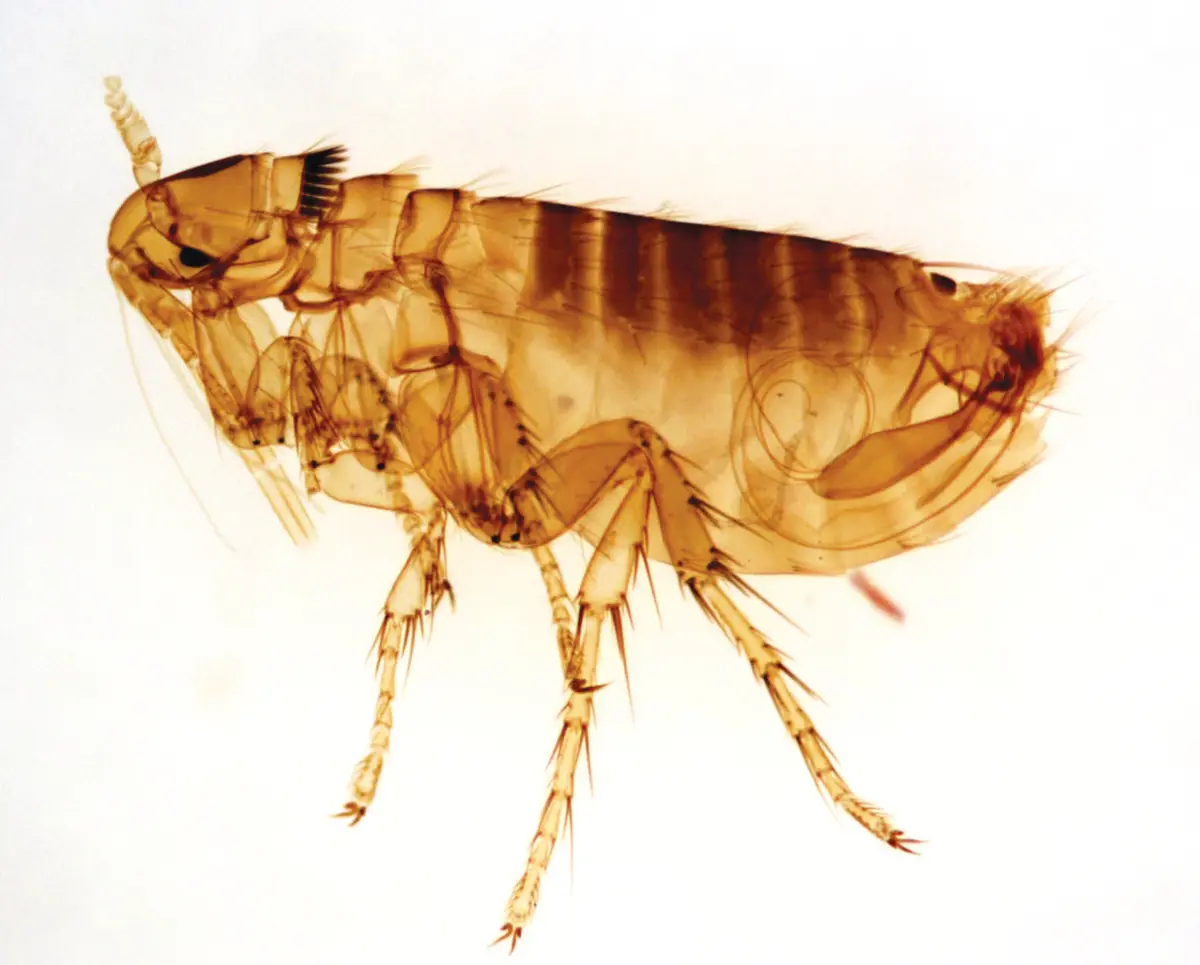
How to Prepare for Professional Flea Treatment
Getting ready for a professional flea treatment ensures the process is as effective and efficient as possible. Here’s how you can prepare your home for flea treatment before your Orkin Pro arrives:
-
Clean and Declutter: Vacuum carpets, rugs, and furniture, paying close attention to corners and pet areas. Immediately dispose of the vacuum bag in a sealed trash bag outside. Clear floors of any clutter so your Orkin Pro can easily access all areas.
-
Wash and Dry Fabrics: Wash your pet's bedding, blankets, and soft toys in hot water and dry them on high heat to kill any fleas and their eggs. Consider laundering other washable items that your pets regularly come into contact with, like throw pillows and blankets.
-
Treat Your Pets: Ensure your pets are treated for fleas before or at the same time as the professional treatment to address the infestation from all angles. Consult your veterinarian for the best pet-safe flea treatments.
-
Remove Pet Items Temporarily: Remove pet food, water bowls, and toys from treatment areas to keep them safe during the application of flea control products.
-
Vacate the Premises: Plan to be out of the house with your pets for a few hours during and after the treatment, as directed by your Orkin Pro. This allows the products to settle safely and ensures your family’s comfort.
By following these steps, you’ll help your Orkin Pro provide the most effective flea treatment possible, setting your home on the path to being flea-free!
How to Treat Pets for Fleas
In addition to the flea control program provided by your Orkin Pro, lukewarm water and mild soap, can help get fleas off your pet's fur and skin. The dish soap can help to drown adult fleas. If you're thinking about using a flea shampoo or something similar, talk to your veterinarian first. It can strip oils from your pet's fur and dry out their skin.
Pet Safe Flea Treatments
This is a general checklist to help ensure a safe flea treatment. Before using any of these treatments, contact your pet’s veterinarian and get approval:
-
Kill fleas with an approved oral prescription.
-
Kill fleas with an approved topical prescription.
-
Kill fleas with a natural pet-safe spray.
-
Wash your pet's bedding with hot water and flea shampoo every few days.
-
Use a flea comb to remove fleas.
-
Schedule regular vet checkups
-
Let your pet groom itself.
-
Flea collars can be a preventive measure but are not always the best solution for flea control. It’s best to check with your vet to determine if a flea collar will be helpful.
While many vet-approved or prescribed sprays and topicals are generally safe, some pets may still be sensitive to their ingredients. Stop any treatment if you notice it irritating your pet's skin or causing another type of allergic reaction. Inform your vet if your pet has any known sensitivities to medications or ingredients.
How To Prevent Future Flea Infestations
So, you've survived a flea invasion. Congratulations. Now, let's make sure it doesn't happen again. Fleas are persistent, and sending them packing for good requires a battle plan. Here's how to keep your home a strict no-flea zone:
-
Vacuum Regularly: Thoroughly vacuum carpets, rugs, floors, and furniture to remove fleas at all stages of their life cycle. After vacuuming, seal the bag in a plastic bag and dispose of it in an outdoor trash can to prevent re-infestation.
-
Wash All Bedding: Machine wash your pet's bedding, blankets, and other washable fabrics in hot water to kill any remaining fleas and eggs. If your pet sleeps in your bed, be sure to wash your own bedding as well.
-
Maintain Your Yard: Reduce outdoor flea habitats by keeping your lawn mowed and trimming overgrown shrubs. Fleas prefer shady, moist areas, so increasing sunlight exposure can make your yard less inviting to them.
-
Regularly Inspect Your Pet: Use a flea comb to check your pet's fur for any signs of fleas, especially after they have been outside. This helps you catch a potential problem early.
-
Use Year-Round Prevention: Consult your veterinarian to find the most effective year-round flea prevention product for your pet. They can recommend a solution based on your pet's health and local flea activity.
Professional Flea Control
Contact your local Orkin Branch Office for more information about our flea control services. An Orkin Pro will thoroughly inspect your home, inside and out. Once an assessment is made of the extent of the infestation, your Orkin Pest Specialist will develop an effective treatment plan that is customized for your situation. While discussing the plan, your Orkin Pro will provide instructions to help you prepare for the flea treatment.
More Flea Resources
What do Flea Bites Look Like?
Flea bites typically appear as itchy small red bumps that are surrounded by red haloes.
Are Cat Fleas and Dog Fleas The Same?
Although dog fleas and cat fleas are two different species, cat fleas are the most common type of flea in North America.
Flea Repellent
Although some essential oils and plants may help repel fleas, the best way to control fleas is with a flea extermination program from your Orkin Pro.
What is the Cost for Flea Treatment?
A comprehensive flea inspection will help determine the full extent of your infestation and provide the most accurate cost for flea control service.