5 Most Common Rodents that Infest Businesses
Key Takeaways
-
Rodents want what you have: When it gets cold, rodents move indoors for the food, water and shelter your business provides.
-
Five main culprits: The most common commercial pests are house mice, Norway rats, roof rats, deer mice and field mice.
-
Identify the species: Mice are small with big ears, while rats are larger and bulkier. Correct identification leads to the right treatment.
-
Look for the signs: You'll likely see droppings, gnaw marks and grease smudges long before you see an actual rodent.
-
An ounce of prevention is worth a pound of cure: Sealing entryways, managing trash and regular inspections keep rodents out and protect your business.
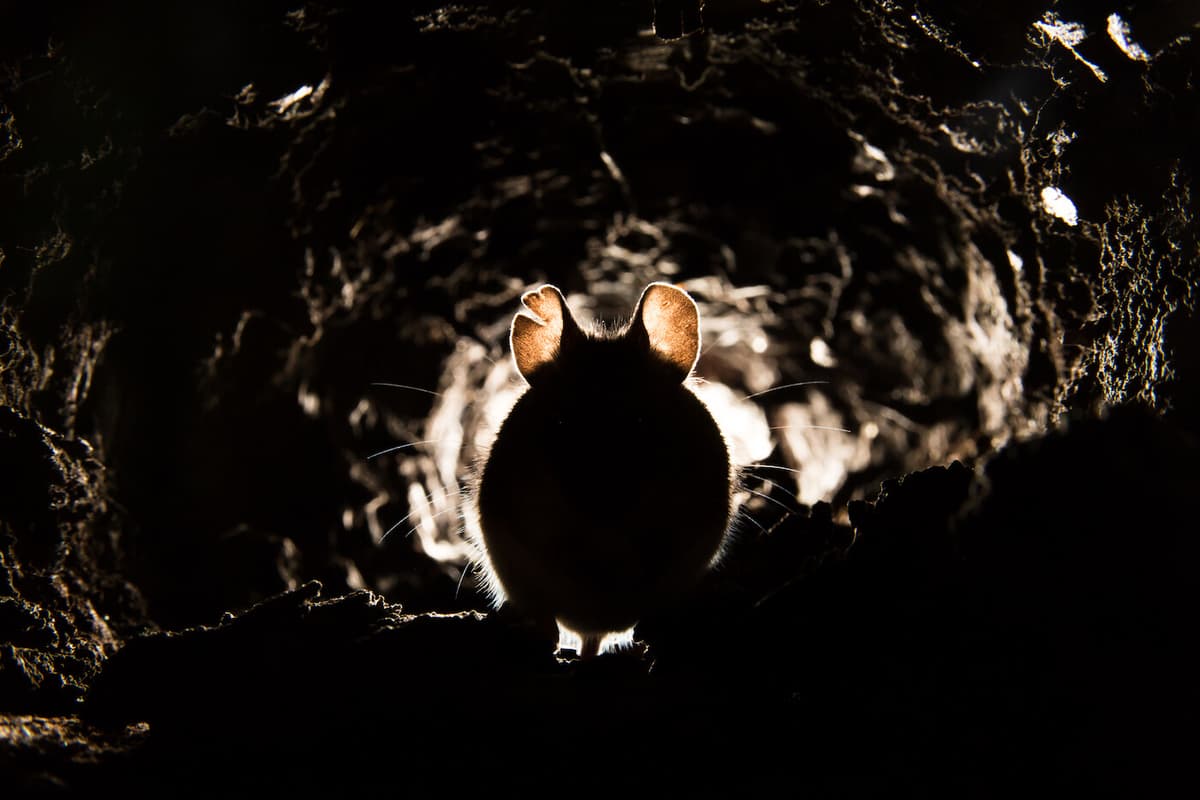
We’re not the only ones that cozy up indoors when cold weather looms. Rats and mice also shack up inside during the winter months. By the time spring flowers bloom, these fast breeders may have already taken over your business.
Before you begin preparations for the fall and winter months, you need to know which pests might try to burrow into your business. To learn more about the risks rodents pose to your business, download our free Rodent Guide for Businesses.
How to Identify Rodents at Your Business
Here are the five most common rodents you’re likely to see scurrying out of sight in your commercial property:
House Mouse
The house mouse is the rodent you're most likely to encounter indoors. Small, adaptable and quick (they can hit speeds of 12 feet per second), house mice dart across floors and nest in dark, secluded spaces like wall voids, storage rooms and behind appliances.
How to identify a house mouse:
-
Size: Roughly two to five inches long
-
Color: Light brown to dark gray, with a lighter belly
-
Features: Large, rounded ears, a pointed snout and a tail as long as its head and body combined
House mice eat just about anything but prefer carbohydrates like grains, oats and seeds. Because they can squeeze through a gap about the width of a pencil, even small gaps can give them access to food storage areas, break rooms and utility spaces.
Norway Rat
Also known as the brown rat, street rat or sewer rat, the Norway rat is a natural burrower that prefers to nest underground. In commercial settings, you'll often find them near building perimeters, trash areas, utility rooms and around heating systems. They typically stay out of sight, so spotting one during the day can signal a larger problem.
How to identify a Norway rat:
-
Size: Up to 11 inches long, with a tail shorter than its body
-
Color: Brown or gray fur with a lighter underside
-
Features: A thick, heavy body and a blunt nose
Their rapid reproduction means a small issue can become a much larger infestation if left unaddressed.
Roof Rat
True to their name, roof rats prefer the high life. While Norway rats rule the ground, agile roof rats climb their way into attics, rafters, ceiling voids and trees. They're skilled enough to navigate power lines and tree branches to reach rooftop entry points.
How to identify a roof rat:
-
Size: Up to eight inches long, with a tail longer than its body
-
Color: Dark brown to black fur
-
Features: Large ears, a pointed nose and a long tail used for balance
Roof rats prefer seeds and plant-based foods but will eat almost anything. Their strong teeth let them chew through plastic and soft metals and they're known to stash and hoard food. Both behaviors create contamination risks for your facility.
Deer Mouse
Rodents aren't confined to the city. Deer mice prefer rural and wooded areas, which puts agricultural facilities, warehouses on the outskirts and properties near fields at higher risk. They do offer one upside, since they eat pests like cutworms, but don't let that fool you. Deer mice are known carriers of hantavirus, a rare but serious illness linked to rodent droppings, urine and nesting materials.
How to identify a deer mouse:
-
Size: Small and compact
-
Color: Brown to gray fur with a white belly
-
Features: Large black eyes and a distinctive bicolored tail, usually longer than its body
Because of the health risks involved, droppings and nesting materials from deer mice should never be swept or vacuumed dry. Doing so can release contaminated particles into the air.
Field Mouse
Field mice don’t come inside nearly as much as the others. They are primarily pests outside to landscaping and plants. Field mice are a favorite snack for predatory birds, but they make up for it with sheer reproductive power, producing as many as 17 litters per year.
How to identify a field mouse:
-
Size: Small, stocky body
-
Color: Brown to reddish-brown fur
-
Features: A short tail relative to its body
That breeding speed means a minor presence can balloon into an infestation in a hurry.
Signs of Rodent Activity in Your Business
Rodents are most active at night, so you may not see one before you see the evidence. Catching these warning signs early can mean the difference between a quick fix and a costly infestation. Watch for these common signs of rodent activity:
-
Droppings near walls, food sources, storage areas or under equipment
-
Gnaw marks on packaging, wiring, building materials or food containers
-
Grease and rub marks along baseboards and walls from oily fur
-
Scratching or scurrying sounds in walls and ceilings, especially after hours
-
Strong, musky odors from urine and nesting materials
-
Shredded paper, fabric or insulation used for nesting
-
Daytime sightings, which often signal a larger population hiding nearby
In a commercial space, pay close attention to break rooms, storerooms, loading docks, kitchens and areas around refrigeration units and machinery. These spots are all prime real estate for rodents.
Commercial Rodent Control
DIY traps and store-bought products might knock down visible activity, but they rarely address the root cause. Commercial buildings come with multiple entry points, hidden nesting areas, shared walls and constant delivery traffic. All of which make infestations harder to eliminate on your own. Left unaddressed, rodents keep reproducing behind walls and in spaces you can't reach.
That's where professional commercial rodent control comes in. A trained technician will inspect your property, identify which rodent you're dealing with, seal entry points and build a treatment plan tailored to your facility, industry and level of activity. That plan helps keep you aligned with health and safety standards along the way.
No matter your business or location, there’s a rodent waiting to gnaw into your bottom line. And the damage they can cause isn’t worth the risk. Shut the door on these dirty vermin with our free guide to rodents and rodent control. Call an Orkin Pro to learn more about our commercial rodent control services.
Additional FAQs: Rodents in Businesses
What types of rodents are most commonly found in businesses?
The most common rodents that infest commercial properties are house mice, Norway rats, roof rats, deer mice and field mice. Each species has different nesting habits and behaviors, but all are attracted to businesses that provide access to food, water and shelter.
Why are rodents attracted to commercial buildings?
Rodents seek out commercial buildings because they offer reliable food sources, moisture, warmth and protection from predators and weather. Restaurants, warehouses, office buildings and manufacturing facilities can all attract rodents if entry points and sanitation issues are left unaddressed.
Are rodents more active during business hours or after closing?
Most rodents are nocturnal and become more active when facilities are quiet and foot traffic decreases. This often allows infestations to grow unnoticed, especially in areas that are rarely accessed by employees.
How can businesses help prevent rodent infestations?
Effective rodent prevention starts with sealing entry points, maintaining proper sanitation, storing food in secure containers, managing waste, reducing clutter and scheduling routine inspections. A proactive approach can help reduce the likelihood of rodents establishing a nesting site inside your facility.
More Rodent Control Resources
Top Rodent Control Do’s and Don’ts for Your Business
Rodent control in businesses requires consistent cleaning, monitoring and structural maintenance to reduce access to food, water and shelter.
Why Rodent Control Is Crucial for Commercial Businesses
Rodent activity can impact business health standards, damage structures and disrupt operations through contamination and costly repairs.
What Are the Signs of a Rodent Infestation?
Rodents often remain hidden but leave behind clear signs such as droppings, gnaw marks, odors and nests throughout a facility. Identifying these early signs helps detect infestations and prevent further damage or contamination.
Six Rodent Facts to Help Prepare Your Rodent Defense
Rodents are highly adaptable pests that can squeeze through small openings, consume and contaminate large amounts of food and cause structural damage.