Where Do Pests Hide in Food and Beverage Processing Facilities?
Key Takeaways
-
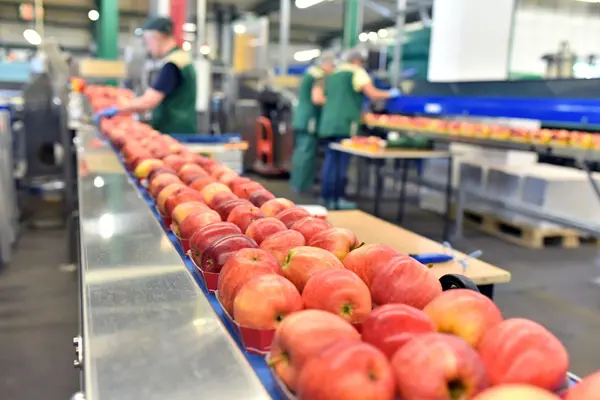
Pest infestations usually start in the places people miss, like damp drains, quiet equipment gaps and receiving areas where activity doesn’t stop.
-
Floor drains, equipment gaps and loading docks can create the moisture, warmth and debris pests need to settle in unnoticed.
-
Long-term pest management starts with addressing the conditions that attract pests, not just treating the places where they appear.
Pests can enter food and beverage processing facilities through a variety of pathways. Once inside, the real trouble usually begins in hidden zones that create perfect conditions for pests to group. In addition to providing safe havens for pests, they provide key elements for survival including food, water and shelter. Clutter, complex construction designs and difficult-to-access areas make it more difficult to clean and inspect for pest activity.
Read on to learn the top ten zones where pest pressures build in your facility, why routine checks can still miss the source and what facility managers can do to get ahead of the issue.
Top 10 Places Pests Hide in Your Business
In food and beverage processing facilities, pest problems often begin long before they become visible. A roach in a break room, a moth near product storage or a rodent in production is often a sign of a larger story. A strong pest management program looks for the conditions that make pests feel at home and helps address them before they become a bigger problem.
1. Floor Drains
Floor drains are one of the most common pest hideouts in food processing facilities because they can offer moisture, organic debris and a path into the building. Small flies and cockroaches can live and breed there if organic matter builds up, and drains that are complex and difficult to access or clean can make the problem worse.
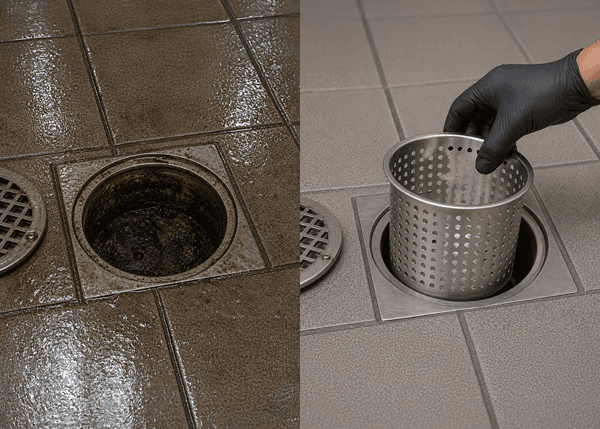
TIP: A second strainer, regular cleaning and microbial-based cleaners can help reduce pest pressure in this zone.
2. Under and Behind Equipment
Food-handling equipment creates warmth, moisture, crumbs and tight spaces that pests can use as shelter. If staff cannot easily access the areas under and behind machinery, cleaning gets skipped and pest activity can build unnoticed.
TIP: Keep these spaces open, clean and part of the routine inspection process. Proper equipment and building design are essential. When purchasing new equipment, renovating or expanding operations, consider the cleanability and inspection access in the construction and equipment design.
3. Conveyor Lines and Product Transfer Points
Conveyors are areas where product movement and residue create ideal conditions for pests to move from one part of the plant to another. Even small amounts of buildup can provide food and shelter, especially around rollers, belts and transfer points.
TIP: These areas should be checked as closely as production equipment itself.
4. Loading Docks
Loading docks are a major entry point since they connect the outside environment to the inside of the facility. Pests can hitchhike in on pallets, boxes and shipments, especially if dock doors stay open for long periods of time, or deliveries are not thoroughly inspected. Mosquitoes, and birds in particular, can be drawn to standing water around these docks from rainwater accumulating in parking lot potholes or ruts in soil caused by trucks.
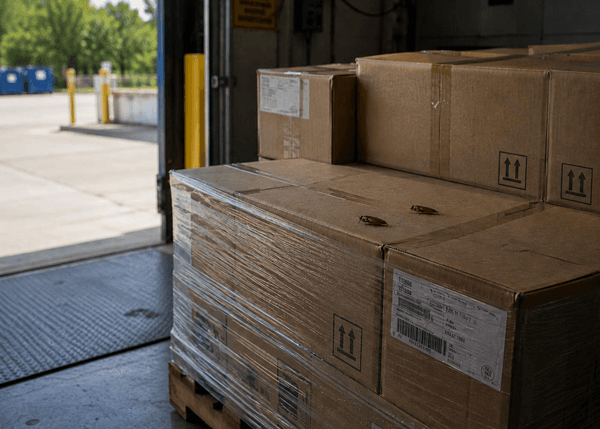
TIP: To avoid pests entering through these areas, keep doors closed between shipments, inspect incoming goods and keep dock levelers clean of crumbs and gunk.
5. Raw Materials and Finished Goods Storage Areas
Storage areas can become pest hiding zones when supplies sit too close to walls, on the floor or in cluttered stacks. Damaged containers, open and broken packaging and old inventory provides pest access and creates ideal conditions for cockroaches, rodents, beetles and spiders.
TIP: Products should be stored off the floor, spaced for visibility and rotated on a first-in, first-out (FIFO) system.
6. Utility Lines and Pipes
Wires, pipes and other utility pathways can act as pest highways through a facility. These routes are often overlooked because they sit above production areas or along walls that might be missed during routine inspections.
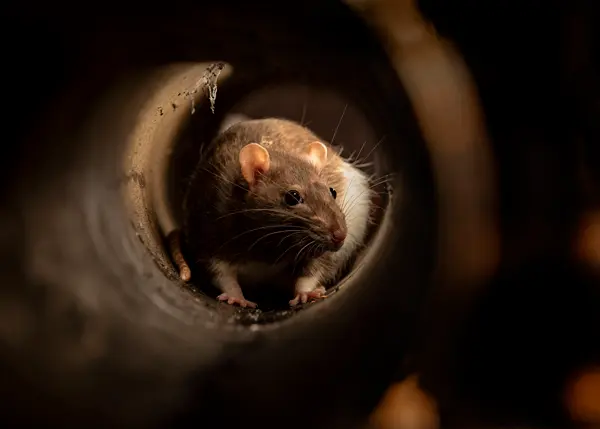
TIP: If pests can travel through these areas, they can spread farther than a routine floor-level inspection would suggest.
7. Roofs, Walls and Building Gaps
Common entry points and nesting spots for pests can include structural gaps, roof edges and wall penetrations. If these areas are not sealed properly, pests can enter these spaces and cause structural damage over time.
TIP: Regular exclusion work and building maintenance are just as important as sanitation in these zones.
8. HVAC Areas
Air handling systems can move more than air if screens, seals or filters are not maintained properly. Vents and other airflow pathways can carry pests and give them protected routes into production zones.
TIP: These areas should be included in pest inspections, especially where moisture or dust builds up.
9. Waste Areas
Trash, debris and waste create cover and food sources that pests love. Abundant waste is especially attractive because it combines shelter with easy access to organic material.
TIP: Keep waste containers closed, remove trash regularly and don’t get comfortable with clutter just because it’s located in a designated waste area.
10. Break Rooms and Employee Areas
Your workspaces can become a haven for pests, too. Break rooms, lockers, offices and staff cafeterias can be easily overlooked because they are not part of the production line. But crumbs, neglected beverages and personal belongings can still attract pests and help them move deeper into the building. Employees may also bring pests like rodents, cockroaches and bed bugs into the building on their lunches and other items brought from home.
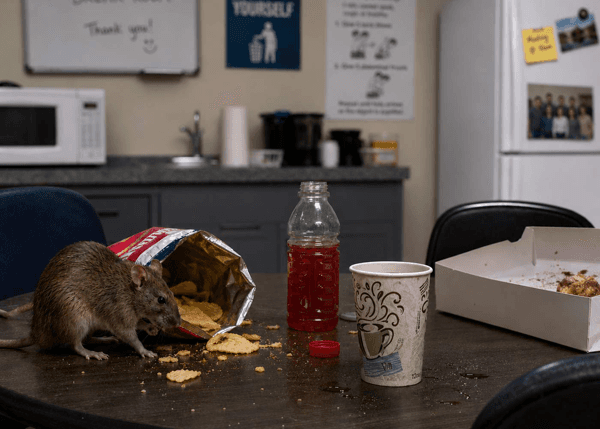
TIP: These areas need the same discipline as the rest of the plant: clean surfaces, closed food storage and routine checks. Consider sharing the responsibility with all employees who use these spaces. Educate employees on the importance of reporting pest sightings.
Why Pest Problems Continue in Food and Beverage Processing Facilities
A lot of facilities that receive pest control service still see pest pressure because the source is hidden in a condition, not just a single pest sighting. In complex facilities, the better question isn't "what did we miss?" — it's "where is this problem starting?" That’s why Orkin’s approach in food processing environments focuses on finding where pest pressure originates, not just where it shows up.
Partner With Food Processing Pest Control Experts
Don’t let hidden pest zones turn into repeat problems. Get 125 years of experience in your corner so you can have absolute confidence in your pest control. Schedule your free inspection today.
FAQs About Where Pests Hide in Food Processing Facilities
1. Why do pests hide in food processing facilities?
Pests look for the same things people do: food, water and shelter. In food processing plants, those conditions can show up in drains, equipment gaps, storage areas and waste disposal areas.
2. What are the most common spots for pests in a facility?
The most common trouble spots are floor drains, behind and under equipment, receiving docks, storage areas, utility lines, airflow pathways and waste zones. These places often stay damp, dark or undisturbed long enough for pests to settle in.
3. Why do pests keep coming back even after service?
Because the source is often still there. If moisture, clutter, entry points or sanitation gaps remain, pests can keep finding a way back in even when visible activity has been treated.
4. Where should food processing facilities inspect for pests first?
Start with drains, hard to clean areas, dock doors, product transfer points and areas under or behind equipment. Those are often the easiest places for pest pressure to build without being noticed right away.
5. How can food processors reduce pests long term?
Use a mix of sanitation, exclusion, monitoring and regular inspections. The goal is to find and fix the conditions that attract pests before they turn into a larger problem.
More Pest Resources
Top 5 Signs Of A Successful Food Manufacturing IPM Program
Top 4 Flies Found In Food Processing Facilities
The Importance Of Equipment Sanitation At Your Food Processing Facility
How Food Processing Managers Should Document Pest Management Activity
Checklist: Working The Bugs Out Of The Food Processing Supply Chain
Don’t Let Pests Turn Your Food Processing Facility Into Their Personal Kitchen