What Hidden Water Sources Cause Mosquito Infestations?
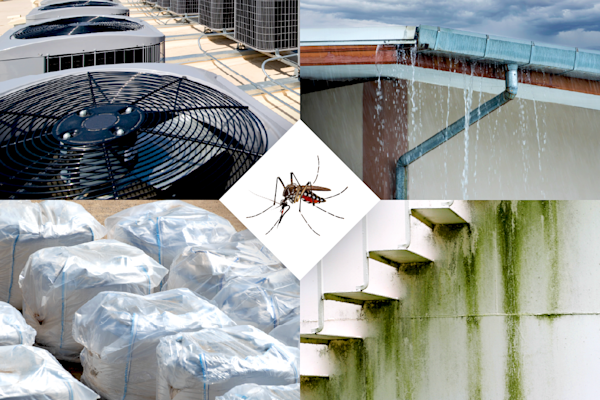
Mosquitoes in your business don’t start with swarms — they start with water. This includes the puddles you notice right away, the standing water in containers around the property, the water that accumulates in the recesses of trees and even the slow, subtle moisture that builds up around your facility day after day. These overlooked water sources create ideal breeding conditions and can increase risks to public health, comfort and operations. Below are hidden water sources that Orkin Pros commonly find during inspections, why they matter and how you can help reduce mosquitoes in your business.
Why Hidden Water Sources Matter for Mosquito Breeding
Mosquitoes undergo four life stages: egg → larva → pupa → adult. All of these stages, except the adult, require water. Mosquitoes don’t need much water to reproduce, and breeding sites are often small, hidden and easy to overlook for certain species. A tablespoon of shallow water that remains undisturbed for about 7–10 days can support mosquito development.
Commercial properties are particularly at risk because:
-
Large areas often contain hidden water pockets.
-
Shaded or low-traffic zones can go unnoticed for days.
-
Employee complaints, tenant discomfort or visitor issues can escalate quickly.
-
Infestations can affect brand reputation and lead to liability concerns.
How to Identify Mosquito Hot Spots on Commercial Properties
Mosquito hot spots on commercial properties are rarely obvious at first glance. They often form where water collects discreetly and repeatedly — around mechanical systems, building exteriors and storage areas, or large commercial HVAC systems on the rooftop.
Use this quick check to spot mosquito-friendly areas:
❑ Regular Walk-Throughs: Inspect the property after rain or irrigation events; this should include water around HVAC during service/facilities inspections.
❑ Shaded & Low-Traffic Areas: Mosquitoes prefer quiet, dark spaces with stagnant water.
❑ Use Monitoring Tools: Traps or larval sampling can detect infestations before they spread.
❑ Document Findings: Keep a log or map of potential breeding areas to track improvements over time.
Six Common Hidden Water Sources on Commercial Properties
Hidden water sources are the real driver behind most mosquito activity on commercial properties. These six areas are where Orkin Pros most often find breeding conditions during inspections.
1. Planters, Landscaping Features and Decorative Fountains
Landscaping can hold water in plain sight and still get overlooked. Planter trays, clogged or broken irrigation lines or sprinkler heads and decorative features can create small, steady breeding sites.
Common Trouble Spots Include:
-
Plant saucers, self-watering planters or liners that keep water trapped
-
Over-irrigated beds and low spots near shrubs where water doesn’t drain
-
Decorative fountains, birdbaths or water features with poor circulation
What to Do:
-
Empty and scrub planters and trays regularly, not just when you notice mosquitoes.
-
Adjust irrigation to avoid runoff and repair leaks as soon as they show up.
-
Keep water features circulating with clean water sources or drain them when not in use.
2. Parking Lots, Dumpster Areas and Drainage Ditches
Hardscapes and waste zones are mosquito magnets because water collects fast and stays longer than you’d think. Add shade, debris and low traffic and you have a repeat offender.
Common Trouble Spots Include:
-
Potholes, ruts and low spots that hold water after storms or washdowns (often worse in spring after winter damage)
-
Dumpster pads and grease areas where runoff pools along curbs
-
Drainage ditches, catch basins or storm drains clogged with leaves and trash
What to Do:
-
Repair potholes and regrade low areas so water drains instead of sitting.
-
Do a yearly spring inspection of hardscaped and parking areas for signs of winter damage.
-
Keep dumpster areas clean and check for pooling after rain or service days.
-
Clear debris from drains and ditches routinely, especially during peak season.
3. How HVAC Systems Create Mosquito-Friendly Moisture
HVAC systems regularly generate condensation, which can puddle when not maintained well. When that water doesn’t drain properly, it can create mosquito-friendly zones.
Common Trouble Spots Include:
-
Condensate lines that drip onto bare soil or concrete, creating permanent damp spots
-
Poorly graded areas under rooftop units where water collects around pads and support structures
-
Drain pans or trays that don’t fully empty, are not serviced or are clogged with debris
What to Do:
-
Route condensate lines to proper drains instead of open discharge points (not just “anywhere outside”, but with water mitigation direction away from the buildings).
-
Check for algae growth or dark staining near discharge points; both are red flags.
-
Add regular HVAC drainage checks to your maintenance schedule, especially before warm weather.
4. Clogged Gutters, Roof Drains and Downspouts That Trap Water
Gutters are typical mosquito homes because they collect everything mosquitoes like, such as standing water (especially when not maintained), shade and organic debris (food).
Common Trouble Spots Include:
-
Sagging gutters and clogged downspouts that hold water instead of moving it
-
Downspouts that empty right next to the building, creating soggy soil and pooling
-
Debris mats (leaves, seed pods, trash) that block flow and trap water
What to Do:
-
Clean gutters and downspouts routinely, not just after problems appear.
-
Extend downspouts out and away from the foundation and high-traffic areas with water mitigation designs that move the water away from buildings.
-
After rainfall, walk the site and look for spots where water lingers longer than expected.
5. Pallet Pooling and Outdoor Storage Areas
Outdoor storage areas can quietly create mosquito breeding zones between and under pallets.
Risk Factors Include:
-
Stacks of pallets and palletized supplies sitting on bare soil or cracked asphalt where rain collects in ruts
-
Wrapped or shrink‑wrapped materials that trap water on top
-
Depressions in loading zones caused by repeated truck traffic
What to Do:
-
Store pallets and palletized supplies on racks or elevated surfaces when possible.
-
Rotate pallet stacks and avoid holding them in the same damp spots.
-
Repair grading issues and worn pavement in loading and storage areas.
6. Equipment That Produces Ongoing Condensation or Leaks
When cold equipment meets warm air (or vice versa), it creates condensation. Slow leaks and “sweating” lines can add up to steady moisture.
Common Problem Areas Include:
-
Refrigeration lines and coils in kitchens, warehouses and back-of-house spaces
-
Ice machines and beverage equipment with slow, unnoticed leaks
-
Compressors and chillers that drip onto the same surface day after day
-
Warm mechanical or electrical equipment in cool or humid spaces, such as boiler rooms, mechanical rooms or electrical closets
What to Do:
-
Look for rust stains, algae or constantly damp concrete under equipment.
-
Fix small leaks early, because small drips can turn into big problems.
-
Add these areas to your routine walk-throughs, not just your periodic repair checklists.
-
Pay particular attention to this equipment in areas that are often accessible to the outside (e.g. warehouses near loading docks, etc.).
“Dry” Areas That Still Signal Mosquito Risk
You may not see standing water, but certain conditions tell a trained eye that water is there (or will be).
Common Problem Areas Include:
-
Shaded corners where moss or mildew builds up
-
Foundation edges, curbs, and dock bumpers with mud lines or watermarks
-
Concrete walls with algae staining
-
Areas under/behind equipment where rust tracks appear
What to Do:
-
Flag these areas for inspection even if no standing water is visible.
-
Check for hidden moisture sources (irrigation overspray, condensation, leaking lines, downspouts tied into walls/voids).
-
Track patterns after rain/irrigation cycles to pinpoint where water is collecting.
-
Bring in a mosquito control pro to confirm breeding risk and treat hidden sources.
When to Bring in Professional Help
If you’re seeing mosquitoes around entrances, outdoor seating, walkways or employee areas, it usually means hidden water sources have been feeding them for a while. Or maybe employees or guests are already complaining about outdoor break areas. You don’t have to track all of that down on your own.
An Orkin Pro can help you:
-
Identify and document hidden moisture sources tied to mosquito pressure
-
Prioritize fixes with your facility maintenance team or vendors
-
Build a proactive mosquito management plan tailored to your site and risk level
Schedule a free inspection to help uncover hidden water issues and potential mosquito risks around your business.

FAQs About Mosquito Infestations
Q: Where do mosquitoes breed around commercial properties?
A: Mosquitoes lay eggs in or near standing water, including small, shallow spots that are easy to miss: HVAC runoff puddles, clogged gutters, low spots in landscaping, pallet ruts and areas with equipment condensation. These zones can stay damp long enough for larvae to develop, even if you rarely see obvious puddles.
Q: How much water does it take to create a mosquito problem?
A: Very little. A small amount of water that sticks around for about a week can be enough for mosquitoes to complete their life cycle. That is why slow leaks, poorly draining soil and “always damp” corners matter just as much as visible ponds or buckets of water. Don’t forget the commercial HVAC units on the roof either.
Q: Can mosquitoes be an issue even if I don’t see standing water?
A: Yes. Signs like algae stains, mildew in shaded areas, soggy soil or rust tracks under equipment often point to chronic moisture that supports mosquito breeding. A trained professional will follow those clues to find where water is collecting and where mosquitoes are likely developing.
Q: What are the most common hidden water spots in buildings?
A: Common culprits include: misdirected HVAC condensate lines, clogged or sagging gutters, downspouts that dump water beside the building, pallet pooling in storage yards, over‑irrigated beds and condensation under refrigeration or ice equipment. These spots create small, persistent reservoirs that mosquitoes love.
Q: What can my business do before mosquito season starts?
A: Walk the property with a drainage mindset: check gutters and downspouts, look for low spots and signs of persistent water, inspect around HVAC and refrigeration, and note any areas that stay damp or slimy. Fix grading, leaks and irrigation issues where you can, and document anything that needs further evaluation.
Q: When is it time to bring in a mosquito control professional?
A: Mosquito populations build quickly, so early action can help you stay ahead of peak season. If you’re seeing mosquitoes around entrances, outdoor seating or walkways — or if you know you have drainage challenges — it is time to get help. A pest management professional can map hidden water sources, recommend structural and maintenance fixes, and design a targeted mosquito program that fits your site and risk level.
More Mosquito Resources
Mosquito Control Services
Why Mosquito Problems Start Before the Season Begins
3 Pest Control Technologies to Help Get Rid of Mosquitoes
Is Your Business in One of These Four Mosquito-Prone Zones?
How a Longer Mosquito Season Affects Businesses Nationwide
Mosquito Prevention Facts and Tips Every Manager Should Know
Mosquitoes 101: Your Complete Guide to Mosquito Control for Your Business