Top 4 Flies Found in Food Processing Facilities
Key Takeaways
-
Small pests, serious risk: A single fly can carry more than 100 pathogens, including Salmonella and E. coli and transfer them directly to your product.
-
A fly sighting is a signal: Flies rarely show up alone. Their presence often points to a food resource and access - structural gaps or behaviors which allow flies to come in.
-
Identification comes first: The most common offenders are house flies, fruit flies, drain flies and phorid flies. Knowing which one you're dealing with shapes the right response.
-
Focus on the hot spots: When flies appear, start your inspection at drains, dumpsters, loading docks and any gaps in the building.
-
Prevention is a two-part effort: Sanitation and exclusion work together to help keep flies out.
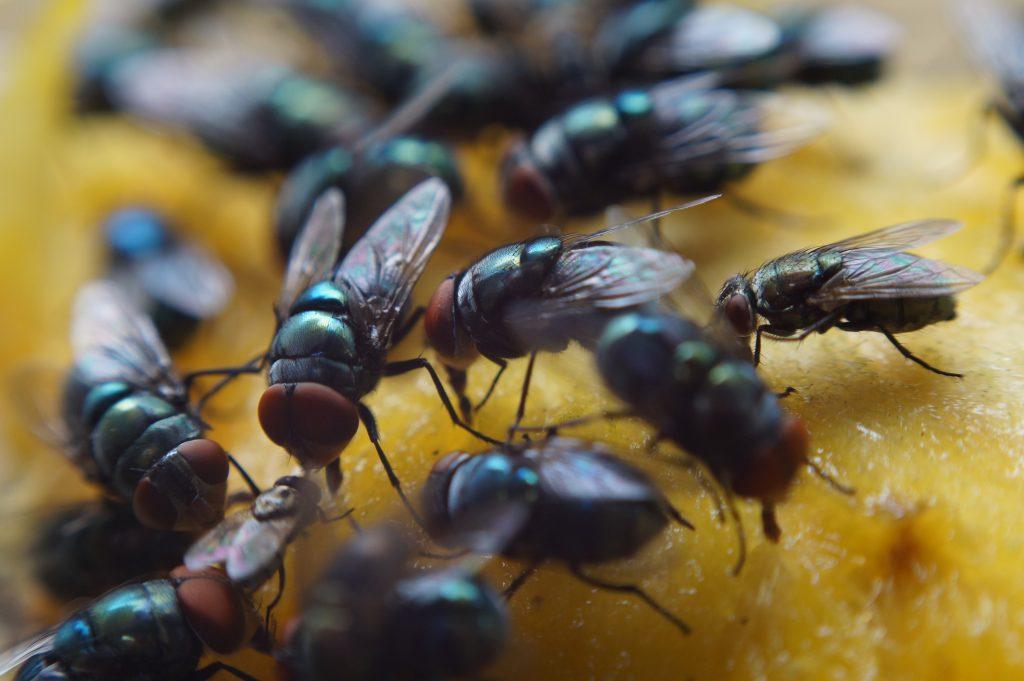
Flies are no big deal, right? They’re only about 1/4 of an inch and you can just simply swat them away if they become a nuisance. But actually, a fly sighting in your facility usually means there’s a bigger problem—not something you can just swat away. They carry a wide variety of diseases and if you’re not careful, a fly infestation could become a serious threat to your business.
Why Flies Are Drawn to Food Processing Facilities
Consider what a fly needs to thrive: food, water, warmth and a quiet place to breed. A food processing facility can offer all of those. Spilled ingredients, moist drains, organic buildup and loading docks that open and close throughout the day create ideal conditions for fly activity.
Understanding what attracts flies is half the battle. The first step to stopping these small but mighty pests is to know what types of flies pose a threat to your food processing facility.
Common Flies Found in Food Processing Facilities
With all the things a fly could need—unlimited food, water and shelter—right inside your facility, it’s no surprise that most fly species choose food processing facilities for all of their scavenging needs. Here’s a rundown of the four most common flies you should look out for:
1. House Flies
House flies are the most familiar offenders. They feed on nearly any food waste they can find and are strongly associated with garbage, manure and other moist organic material. Because they move freely between filth and food-contact surfaces, they represent one of the biggest contamination risks in any facility.
Where they breed: Dumpsters, garbage areas and decaying organic matter often outside the building before they make their way in.
2. Fruit Flies
Small, fast and persistent, fruit flies are drawn to anything sugary, fermenting or decaying, especially materials that produce yeast as they break down. They often hitchhike into facilities on fresh produce, then settle into soda dispensers, recycling bins, over-ripe fruit or sugary residue that has fallen into equipment.
Where they breed: Fermenting fruits and vegetables, sugary spills and any spot where organic material collects undisturbed.
3. Drain Flies
Fuzzy and sometimes mistaken for tiny moths, drain flies are exactly what their name suggests. They breed in the gelatinous film and organic buildup inside drains, particularly ones that stay moist. You'll usually spot them resting on a wall near a drain rather than flying around the room, since they aren't strong fliers.
Where they breed: Floor drains, sink drains and the biofilm coating the inside of drain pipes.
4. Phorid Flies
Phorid flies are recognizable by their humped-back posture and their tendency to scuttle quickly across surfaces rather than fly. They feed on a wide range of materials like decaying fruits and vegetables, rotting meat, sewage and feces which makes them a serious food safety concern. They can even breed underground in contaminated soil around broken drain lines, which makes them especially difficult to eliminate.
Where they breed: Drains, decaying organic material and soil surrounding cracked or broken drain lines.
5 Fly Hot Spots to Keep on Your Radar
Identifying the type of fly is only part of the puzzle. To get ahead of the problem, you also need to know where flies tend to gather. Keep a close eye on these areas:
-
Outside the building: Weed piles, grass clippings and decaying organic matter give flies a place to breed before they ever come inside.
-
Garbage and storage areas: Dumpsters and trash cans are prime breeding grounds. Keep them clean, tightly covered and at least 25 feet from any entrance.
-
Receiving and loading docks: Doors open and close constantly here and product spills are common. Keep doors sealed and consider installing air curtains.
-
Cracks, gaps and structural openings: Holes around pipes, drains, HVAC systems and ventilation give flies an easy way in. Seal and screen them.
-
Drains: As food and beverage waste washes down, bacteria and fungus build up on the drain walls, creating an ideal nursery for fruit flies, drain flies and phorid flies.
How to Help Keep Flies Out and Stay Audit-Ready
Once you know where flies thrive, prevention comes down to a few proven strategies. Here's how to help protect your facility and your food safety scores.
Sanitation: Remove the Breeding Sites
Flies need moist, organic material to survive, so the goal is to take it away.
-
Mechanically scrub drains and follow up with a biological drain cleaner. (Avoid using bleach because it slides over the biofilm without removing it.)
-
Clean waste containers regularly, including pressure-washing the concrete pad beneath dumpsters.
-
Wipe up spills promptly and keep production areas free of organic buildup.
Exclusion: Control the Access Points
The most effective way to deal with a fly is to help keep it outside in the first place.
-
Maintain door sweeps and run the "dollar bill test." If you can slide a bill underneath, it's time for a replacement.
-
Install tight-fitting screens (16 mesh stops most flies, while fruit flies and fungus gnats call for 20 mesh).
-
Use air curtains at entry points to create a barrier flies have trouble crossing.
Monitoring: Track the Activity
-
Place insect light traps about five feet off the ground, away from food and food-contact surfaces.
-
Use capture data to spot trends and catch problems early.
-
Keep a pest sighting log because auditors expect it and it helps you identify patterns before they become infestations.
When to Call in the Pros
Since each fly requires specific treatment, you’ll want to work with a pest management professional to handle the issue correctly. A professional pest management provider can help pinpoint the source of the issue, treat it appropriately and provide the audit-ready documentation your facility needs to help stay compliant with FSMA and GFSI standards. Orkin Pros are experts at identifying fly problems, addressing breeding sites and helping you build a prevention plan that supports a protected facility year-round.
Spotted flies in your facility? Don't wait for a small problem to turn into a big one. Contact Orkin to schedule a free commercial pest control inspection and take back control of your facility.

Additional FAQs: Flies in Food Processing Facilities
Are flies more common in certain areas of a food processing facility?
Yes. Areas with moisture, food residue, organic waste or frequent door activity tend to experience greater fly pressure. Facilities that process produce, beverages, dairy products, meat or other moisture-rich foods may be particularly vulnerable if sanitation and exclusion measures are not consistently maintained.
How quickly can fly populations grow?
Many fly species have short life cycles and can reproduce rapidly when food, moisture and breeding materials are available. What begins as a small fly issue can develop into a larger population if breeding sources are not identified and eliminated promptly.
What role does employee awareness play in fly prevention?
Employees are often the first to notice signs of pest activity. Encouraging staff to report fly sightings, spills, sanitation concerns and maintenance issues can help facilities identify problems earlier and support a more effective pest management program.
Can flies affect product quality and brand reputation?
Yes. Beyond food safety concerns, visible fly activity can negatively impact customer confidence, audit results and brand perception. Preventing pest activity helps protect both product quality and a facility's reputation within the supply chain.
More Fly Control Resources
Fly FAQs to Help with Commercial Fly Pest Control
This collection of fly control FAQs covers how flies enter facilities, what conditions allow them to thrive and why they pose a risk to operations.
Small fly infestations in commercial spaces often originate from grease, debris and moisture in drains and equipment areas.
Fly activity in businesses can impact health standards and reputation, especially when driven by sanitation gaps or structural issues.
Fly Activity to Look for in Food Handling Environments
Flies in food handling environments can contaminate surfaces, spread disease and lead to health violations.
Resources
Pest Control Tips for Food & Beverage Processors
Stay one step ahead with pest control resources built for food safety and QA teams. Explore expert guides and tools that help prevent contamination, maintain audit readiness and keep production on schedule.
-
Regular inspections help identify early pest activity in production zones.
-
Keeping drains and floors clean helps prevent buildup that attracts pests.
-
Sealing wall gaps and dock doors helps block pest entry points.