How to Repel Mosquitoes
Key Takeaways
-
Natural repellents like botanical sprays and wood smoke offer temporary, localized relief but don't address the root of the problem.
-
Dryer sheets are a popular DIY trick, but there's little scientific evidence to suggest they provide any lasting protection from mosquitoes.
-
Removing standing water is the most effective DIY method, as it eliminates breeding grounds for mosquitoes in your yard.
-
Professional mosquito control is the most reliable way to handle an infestation, as it targets the problem at its source for long-term protection.
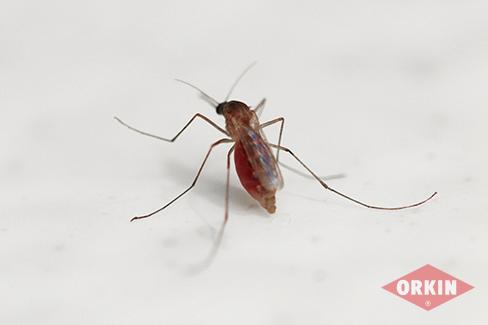
Magnified picture of mosquito
Mosquitoes can really put a damper on outdoor fun and even impact your health. Luckily, there are plenty of ways to keep them at bay, includingrepellentsprays, citronella candles, mosquito coils, and wearable devices. Each option works differently, so it’s helpful to know what’s most effective for your needs.
Natural Mosquito Control
If you'd rather not use chemical sprays, you might consider some natural strategies. Here are a few common methods people try to reduce mosquito problems.
Remove Standing Water
Mosquitoes need water to breed. Removing stagnant water from items like birdbaths, gutters, pots, or toys is a crucial step in managing their populations at home. Even a small amount of water is enough for mosquitoes to lay eggs.
-
How it helps: Reduces breeding grounds as a preventative measure.
-
Tip: Check for and eliminate standing water at least once a week.
Plants that Repel Mosquitoes
Certain plants emit scents that mosquitoes may dislike, so people use them as natural repellents in their yards or on patios. Popular options include:
-
Citronella: Often used in candles, citronella grass is thought to repel mosquitoes, but the scent is strongest when the leaves are crushed.
-
Lavender, Basil, and Mint: Their strong scents may help mask human odors that attract mosquitoes.
-
Marigolds and Rosemary: Not just for decoration, these plants are also used to deter pests.
-
Limitations: These plants may help reduce mosquito activity in their immediate vicinity, but they are often not a standalone solution.
Essential Oils for Mosquitoes
Some botanical oils like lemon eucalyptus, citronella, clove, and lemongrass are known for their mosquito-repelling properties. You can create a DIY spray by diluting essential oils with water and a carrier oil, then misting it on exposed skin or clothing.
-
How it helps: Can offer a few hours of protection per application, but reapplication is necessary.
-
Caution: Always perform a patch test on your skin to check for sensitivity before applying more widely.
Yard and Outdoor Mosquito Control
While personal repellents are great for on-the-go protection, creating a mosquito-unfriendly zone in your yard can help stop bites before they even have a chance to happen:
-
Get a Fan: A strong outdoor fan can literally blow mosquitoes away, disrupting their flight and making it harder for them to land on you.
-
Screen 'Em Out: Installing or repairing screens on windows and doors is a classic for a reason. Using mosquito nets around patios or seating areas also creates a simple physical barrier.
-
Change Your Lighting: Mosquitoes are less attracted to yellow, sodium, or LED lights compared to traditional incandescent bulbs. Swap the bulbs in your outdoor fixtures to make your space less of a beacon.
-
Clean Up Your Yard: A tidy yard offers fewer hiding spots for mosquitoes. Keep the lawn mowed, shrubs trimmed, and clear away leaf litter to reduce breeding grounds.
-
Invite Natural Predators:Bats and birds like purple martins love to eat mosquitoes. Installing bat houses or birdhouses can encourage these natural predators to stick around and help control the population.
While these natural methods can reduce the number of mosquitoes, they might not be enough to handle a larger infestation.
How do mosquito repellent sprays and lotions work?
Sprays and lotions are the go-to for personal protection. They work by masking the cues that attract mosquitoes, like your body heat and the carbon dioxide you exhale.
-
How to Use: Apply these products in moderation to exposed skin or clothing, following package instructions. Avoid contact with eyes, mouth, open wounds, or irritated skin. Consultation with a healthcare provider is recommended before using on young children or during pregnancy.
-
Pros: Effective for short-term use because they create a temporary barrier that interferes with a mosquito’s ability to locate you.
-
Cons: The protection lasts only a few hours, so reapplication is necessary for extended outdoor periods. Additionally, some mosquito species may develop reduced sensitivity to certain repellents over time.
Do fire pits keep mosquitoes away?
Fire pits are often thought of as a natural way to repel mosquitoes from outdoor gathering spots. The idea is that the smoke generated by the fire can interfere with a mosquito's ability to locate its target.
-
How to Use: Use a wood-burning fire pit to create smoke. Gas fire pits do not produce enough smoke to offer similar benefits.
-
Pros: The smoke from burning wood can help deter mosquitoes in the immediate vicinity. Certain woods, such as cedar, or added herbs like sage or rosemary, may enhance this effect.
-
Cons: The deterrent effect is limited to areas near the smoke and disappears once you move away. Fire pits are not intended as a stand-alone mosquito control method.
Do dryer sheets repel mosquitoes?
Some people turn to dryer sheets as a simple home remedy for various household tasks beyond laundry, including repelling insects. While they are easy to use and widely available, there is little solid evidence to confirm the effectiveness of dryer sheets for repelling mosquitoes.
-
How to Use: Dryer sheets may be rubbed on skin or clothing, or placed in pockets.
-
Pros: Some dryer sheets contain compounds such as linalool and beta-citronellol, which are present in certain insect-repelling plants. The scent may offer brief masking of human odor.
-
Cons: Scientific support for this method is limited. The fragrance does not provide long-lasting protection, generally persisting for 20 minutes or less, and is unlikely to be effective for extended outdoor activities.
When DIY Repellents Are Not Enough
Home remedies and mosquito repellents provide temporary relief but are often insufficient for long-term mosquito management, especially in areas with high mosquito activity.
Professional mosquito control services can offer comprehensive solutions that address mosquito populations at their source. An exterminator will assess your property and implement targeted treatments designed to reduce and manage mosquitoes more effectively.
For a thorough inspection and customized mosquito control plan, call your local Orkin branch.
More Mosquito Resources
Mosquito Bites, Allergies & Reactions
Learn what happens when a mosquito bites, why bites itch, and how to treat and prevent them.
Diseases Transmitted from Mosquitoes
Learn which diseases mosquitoes can transmit, how infections occur through bites, and what steps you can take to reduce your risk of exposure.
Does DIY Mosquito Control Work?
Explore practical mosquito control tips you can use at home, including natural remedies and store-bought solutions, and learn when professional help may be needed for lasting results.
Learn how mosquitoes progress through four distinct life stages and how factors like temperature and species influence their development and survival.