Pest Control for Gyms and Fitness Centers: Prevention Tips and Common Risks
Key Takeaways
-
Gyms and fitness centers can attract ants, flies, cockroaches and rodents because of moisture, food and drink residue, high foot traffic and hidden spaces.
-
Locker rooms, showers, floor drains, cafés, vending areas, storage rooms and waste areas often present the highest pest risks.
-
Pest activity can affect member experience, facility operations, brand reputation and building maintenance.
-
Effective Integrated Pest Management (IPM) in gyms and fitness centers combines sanitation, moisture management, exclusion, monitoring and employee awareness.
-
Signs such as droppings, gnaw marks, unusual odors and recurring fly activity can signal a developing pest problem.
Members come to your gym to work up a sweat. They don't expect the pests to join them.
Gyms, health clubs, recreation facilities, athletic complexes and fitness centers have several conditions that can attract pests: constant foot traffic, food and drink spills, locker rooms, showers, drains, trash areas and plenty of places to hide. Even a well-maintained facility can develop pest pressure when moisture, food residue or small entry points go unnoticed.
The good news is that pest problems in gyms often start small, which means they can be manageable. Knowing where common pests are likely to show up, what attracts them and which warning signs to watch for can help your team respond early before a small problem becomes a big issue.
Why Pest Control Matters for Gyms and Fitness Centers
Pest control is about more than addressing pest sightings. A proactive gym pest management program can help support facility cleanliness, help protect operations and reduce disruptions to member experiences.
How Pest Problems Can Impact Gym Operations
-
Member Experience: Members expect fitness centers to maintain clean, sanitary environments. Pest sightings in workout areas, locker rooms or reception spaces can negatively affect perceptions of facility cleanliness.
-
Brand Reputation: In today's connected world, a single pest sighting can quickly become an online review, social media post or customer complaint that impacts a facility's reputation.
-
Facility Maintenance Concerns: Some pests may damage building materials and equipment. Rodents can chew wiring, insulation, water pipes (leading to leaks) and stored materials. Flies and cockroaches may indicate underlying sanitation or moisture issues and can contribute to contamination concerns.
-
Operational Disruptions: To help prevent recurring pest activity that can cause downtime and affect your day-to-day operations, your pest control professional may recommend additional cleaning efforts, facility inspections or corrective maintenance measures.
Being proactive is an important step in any IPM program and can help save you valuable time that you can invest back into your business.
Why Do Gyms and Fitness Centers Attract Pests?
Gyms can attract pests because they offer what pests need:
-
Food and water sources
-
Warmth and shelter from the elements
-
Frequent entry opportunities
High foot traffic allows for easy pest entry, and strong odors are attractants. Locker rooms, showers, food and beverage areas, storage spaces and busy entrances can make for the ideal pest habitat. Know what pests are looking for, and you’re in a better position to make sure they don’t find it.
Food and Drink Residue Can Attract Pests
Protein shakes, sports drinks, snack wrappers and food crumbs can attract a variety of pests, including ants, cockroaches, rodents and flies.
Pay particular attention to:
-
Smoothie and juice bars
-
Vending machines
-
Employee break rooms
-
Trash and recycling areas
-
Dirty lockers
-
Spills around workout equipment
-
Reception area and lounge areas
Clean spills promptly and empty waste containers frequently, especially during high-traffic periods.
Moisture Creates Pest-Friendly Conditions
Locker rooms, showers, bathrooms, pools and saunas provide the humid conditions many pests prefer. Leaks, condensation, damp drains and wet cleaning equipment can also provide reliable water sources.
Frequently inspect:
-
Showers and locker rooms
-
Floor drains
-
Sinks and plumbing fixtures
-
Pools and saunas
-
Janitorial closets
-
Mechanical rooms
-
Water fountains and bottle-filling stations
Fixing leaks and improving drainage can remove the moisture pests depend on while helping address the underlying cause of the pest activity you may see.
High Foot Traffic Creates More Ways for Pests to Enter
A busy fitness center has people, packages, supplies and equipment moving in and out throughout the day. That activity can give pests more opportunities to enter unnoticed.
Pests may enter through:
-
Frequently opened doors
-
Gaps around doors and utility lines
-
Deliveries and cardboard boxes
-
Equipment shipments
-
Gym bags, dirty shoes and personal belongings
-
Loading and receiving areas
Once inside, pests may find shelter behind equipment, inside wall voids, beneath cabinets, around plumbing, inside storage rooms or in other low-traffic spaces.
What Are the Most Common Pests in Gyms?
The most common pests in gyms and fitness centers include ants, flies, cockroaches and rodents. Bed bugs can also become a concern because they may be introduced on clothing, gym bags and other personal belongings.
Ants in Gyms and Locker Rooms
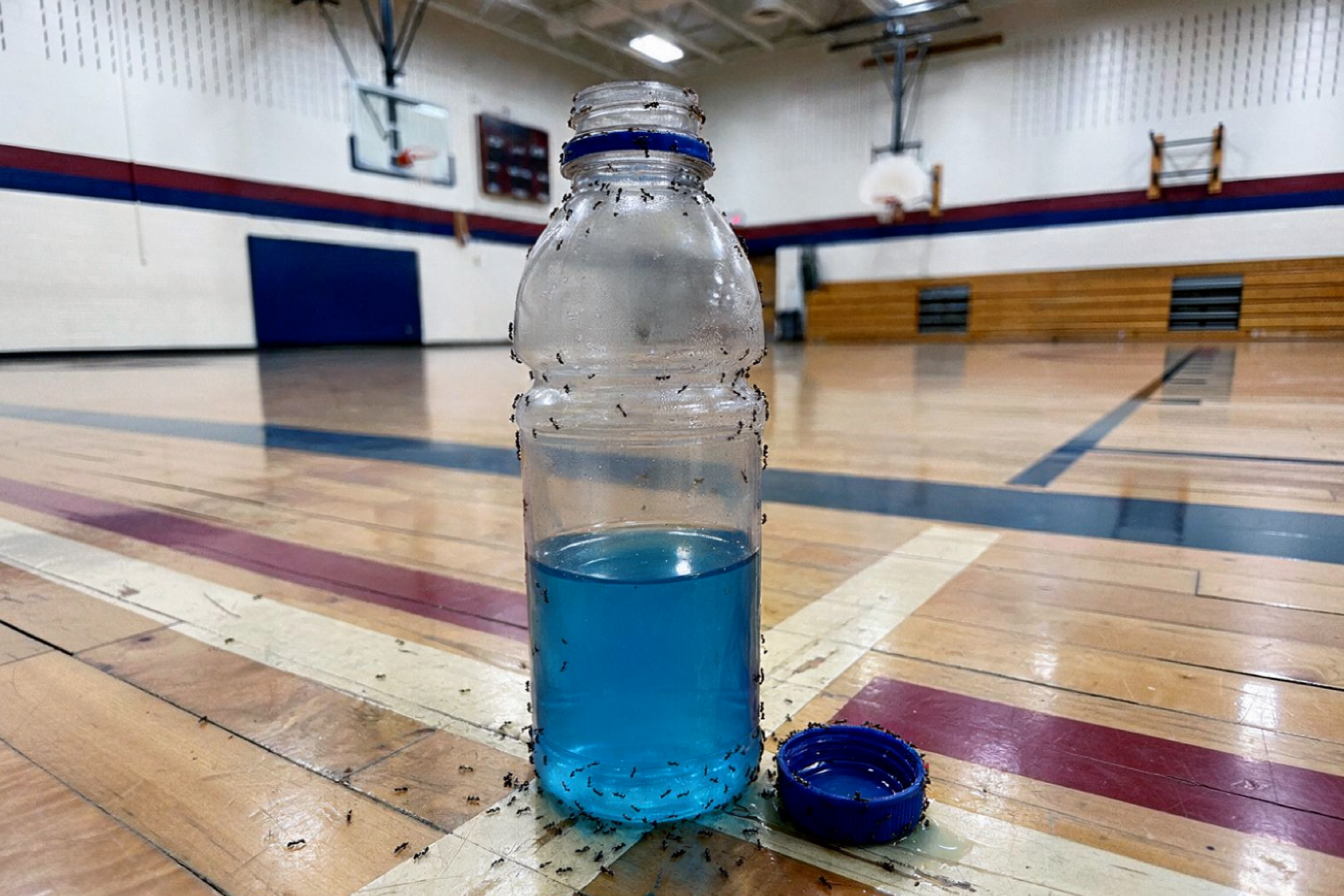
Ants are commonly drawn to food residue, heat, sugary drinks and moisture. They may be found near:
-
Vending machines
-
Smoothie bars
-
Locker rooms
-
Employee break rooms
-
Kitchens
-
Water sources
-
Electrical outlets and covers
Removing visible ants without addressing the food, moisture or entry points that attract them will not solve the underlying problem. Look for patterns in activity and trace them back to potential sources.
Flies Around Drains, Trash and Food Areas
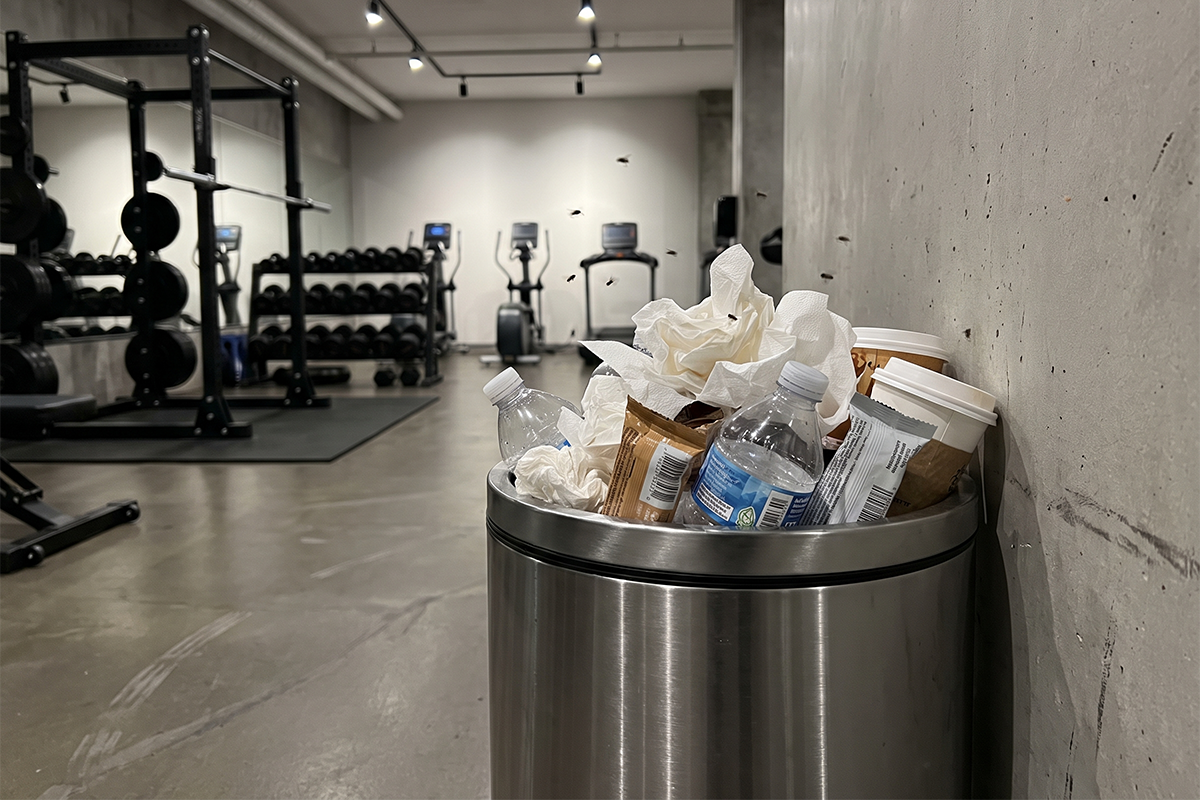
Flies are highly visible, which means members may notice them before your staff does. Problem areas may include:
-
Floor drains
-
Trash receptacles
-
Recycling stations
-
Cafés
-
Smoothie bars
-
Food preparation areas
-
Employee break rooms
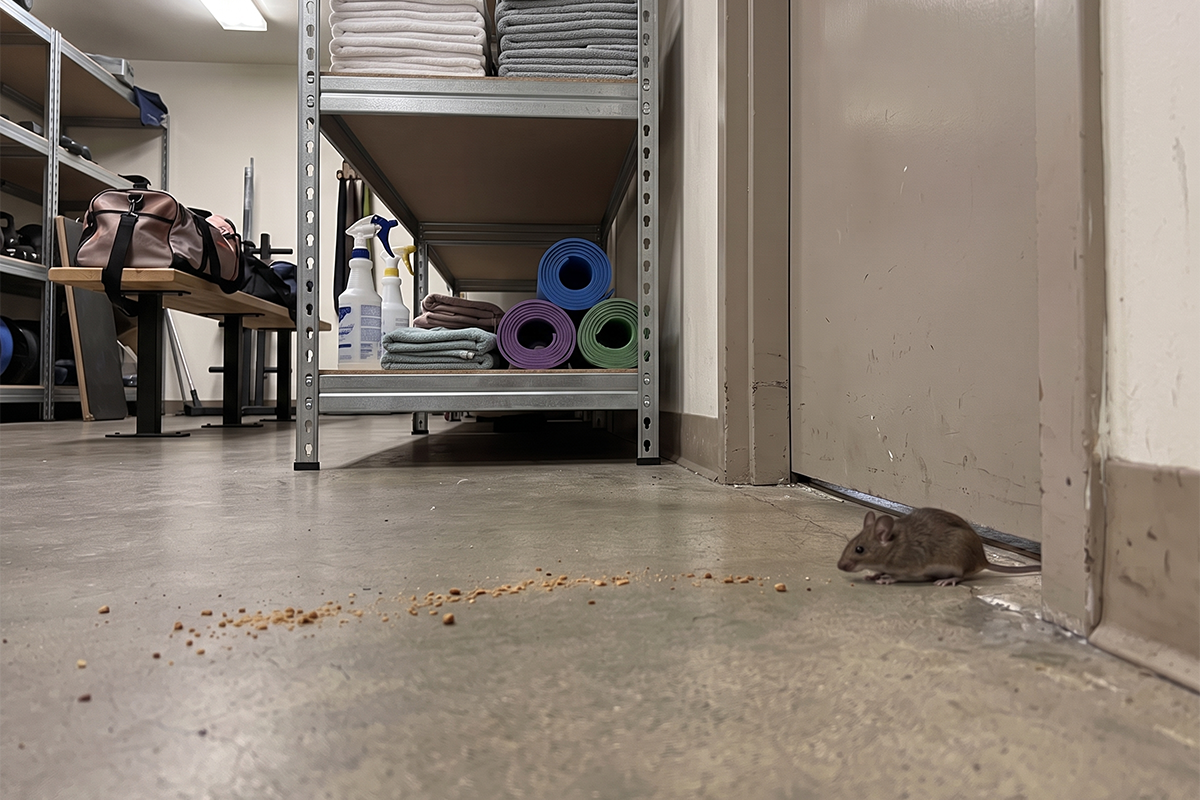
Rodents in Storage Rooms and Hidden Spaces
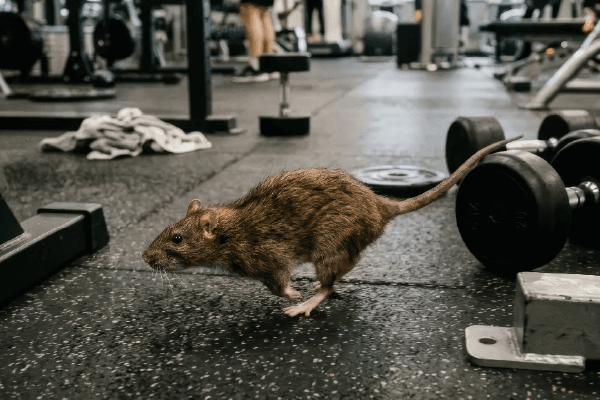
A rodent may enter through gaps around doors, utility penetrations, loading areas and other structural openings. Once indoors, they often seek quiet areas with access to food, water and nesting material. Warning signs can include:
-
Droppings
-
Gnaw marks
-
Nesting material
-
Grease or rub marks
-
Unusual odors
-
Scratching sounds
-
Damaged packaging
Rodents can also gnaw wiring, insulation and other building materials, making early detection especially important. Damage to water pipes can lead to leaks, expensive repairs and operational shutdowns.
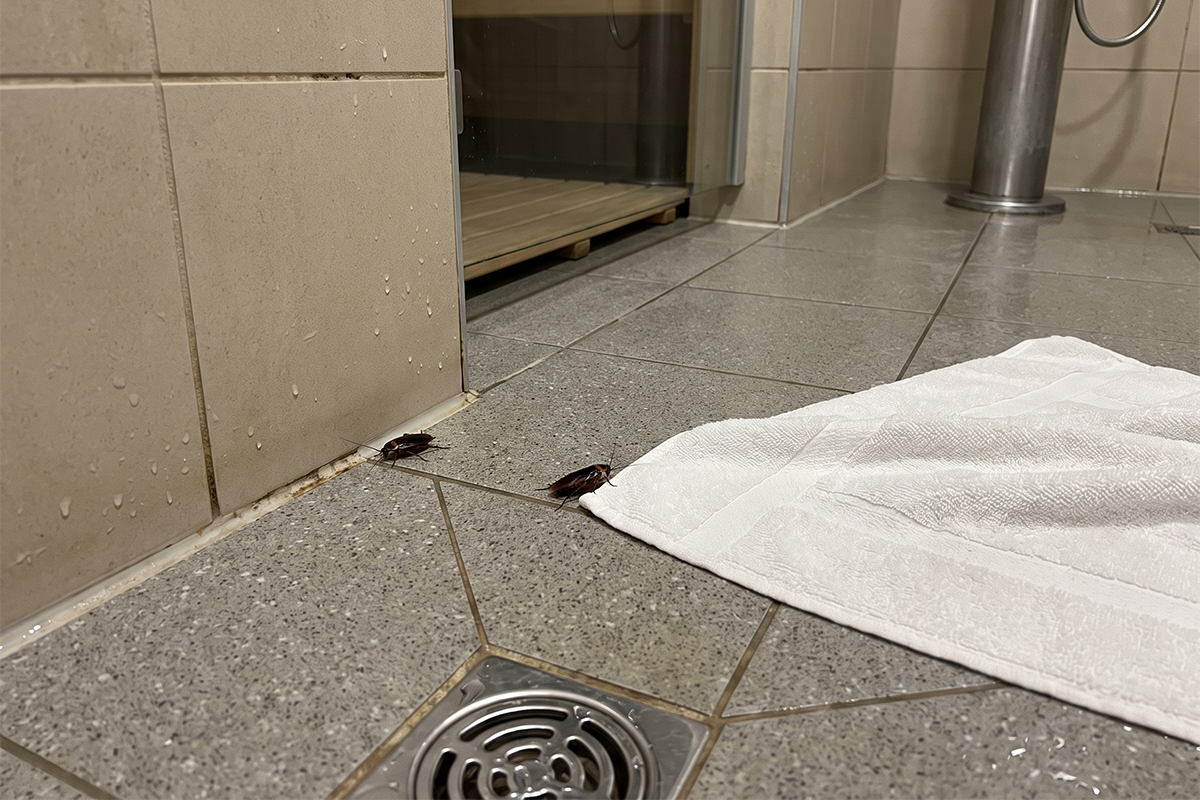
Cockroaches in Warm, Damp Areas
Cockroaches often seek warm, humid spaces with nearby food and water. Inspect for roaches around:
-
Locker rooms
-
Floor drains
-
Utility rooms
-
Kitchens
-
Cafés
-
Storage spaces
-
Employee break rooms
Because cockroaches spend much of their time hidden in cracks and other protected spaces, visible activity can warrant a closer inspection of surrounding areas.
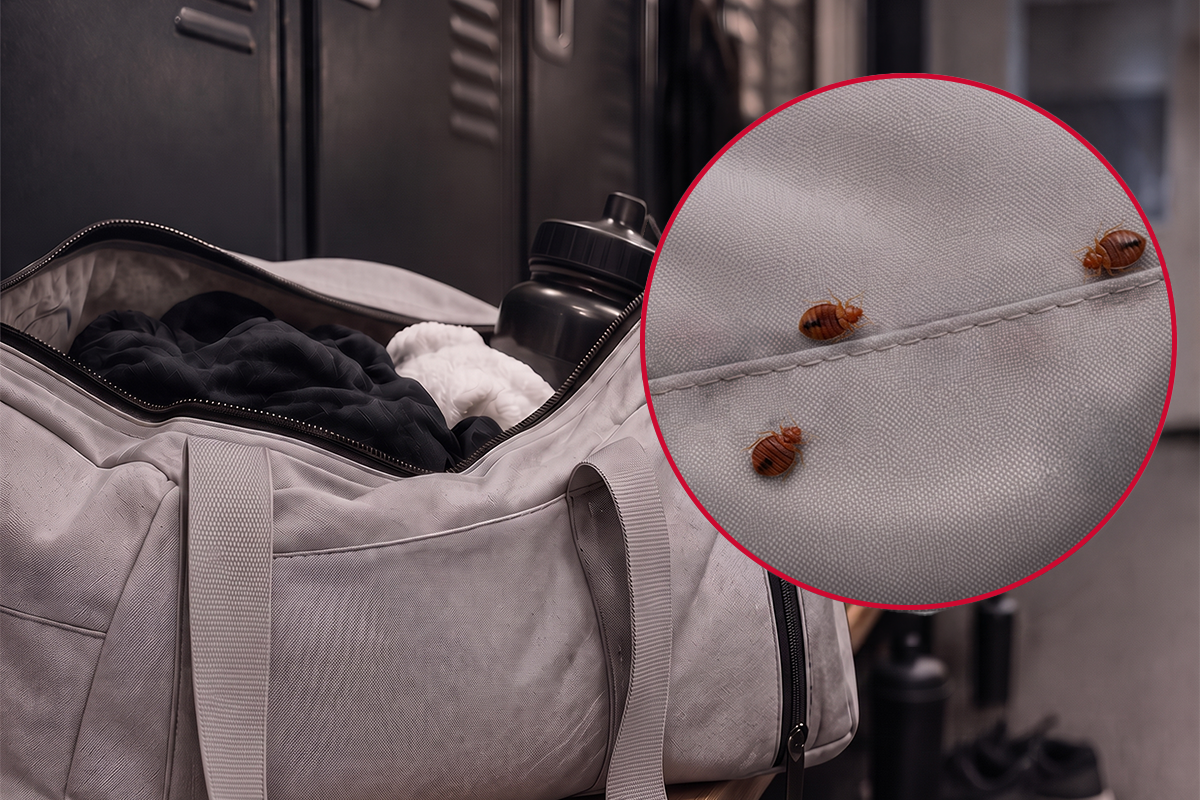
Bed Bugs in Locker and Member Areas
Unlike pests drawn primarily by food or moisture, bed bugs are hitchhikers. Bed bugs may be introduced through gym bags, clothing or other personal belongings.
Signs and areas to monitor include:
-
Live insects
-
Shed skins
-
Small stains
-
Fecal material
-
Member complaints
-
Activity around seating, locker areas or electrical outlet coverings
-
Cracks and crevices
Suspected bed bug activity should be documented and evaluated by a pest control professional.
Where Should Gyms Monitor for Pest Activity?
Pest monitoring should focus on areas that provide food, moisture, shelter or frequent entry opportunities. Rather than treating the entire building as one risk zone, focus attention where pest pressure is most likely to develop.
High-priority areas include:
-
Locker rooms and showers
-
Floor drains and plumbing areas
-
Smoothie bars, cafés and vending areas
-
Trash and recycling zones
-
Employee break rooms
-
Storage rooms
-
Loading and receiving areas
-
Exterior doors
-
Areas behind and beneath equipment
-
Mechanical and utility spaces
Regular inspection of these areas can help uncover pest activity and conducive conditions before they lead to a larger problem.
How Can Gyms Help Prevent Pest Problems?
Gym pest prevention works best when you address the conditions that give pests food, water and a way inside. In a fitness facility, that means staying on top of moisture, sanitation, entry points and the high-traffic areas where pest activity can start quietly.
A strong prevention program combines day-to-day facility practices with regular monitoring and Integrated Pest Management (IPM). The following steps can help your team reduce pest pressure before a small issue becomes a bigger disruption.
1. Keep Moisture Under Control
Water is an attractant for pests in a fitness facility. Manage moisture in your facility by:
-
Repairing leaks and dripping fixtures promptly
-
Keeping floors, sinks and counters as dry as practical
-
Maintaining and cleaning floor drains regularly
-
Storing mops and cleaning equipment so they can dry completely
-
Checking showers, pools, saunas and mechanical areas for excess moisture
-
Investigating recurring condensation or standing water
2. Strengthen Gym Sanitation Practices
Good sanitation helps remove the food and organic material pests depend on. Your regular sanitation practices should include:
-
Cleaning food and drink spills promptly
-
Emptying trash before containers overflow
-
Cleaning beneath and behind equipment and fixtures
-
Including vending machines, cafés and smoothie bars in cleaning schedules
-
Storing food and ingredients in tightly closed containers
-
Paying particular attention to drains, floor edges and hard-to-reach areas
Pest prevention helps support your existing cleaning and disinfection program — it does not replace it.
3. Help Reduce Pest Entry Points
Exclusion means making it harder for pests to enter the building in the first place. Some ways to help keep pests out include:
-
Inspecting exterior doors, windows, vents, loading areas and utility penetrations for gaps
-
Installing door sweeps, screens, sealants and other exclusion measures
-
Inspecting incoming deliveries — like equipment, supplies and cardboard packaging — before storing them inside
4. Monitor for Early Signs of Pest Activity
Your employees are in the building every day, which makes them an important part of pest monitoring. Train your staff to report:
-
Droppings
-
Gnaw marks
-
Live or dead insects
-
Nesting material
-
Unusual odors
-
Recurring fly activity
-
Damaged packaging
-
Pest sightings from members
-
Moisture build-up
A simple reporting process can help facility managers identify patterns and respond before an isolated sighting becomes a larger disruption.
How Integrated Pest Management Helps Gyms Stay Ahead of Pests
Integrated Pest Management (IPM) uses a mix of non-chemical and chemical approaches to help manage and protect against pests. Our IPM approach, the Orkin Pro Process™, is the standard for our commercial pest control services. The five-step process delivers more with every service, starting with a thorough inspection and diagnosis of any pest presence, precise treatment and prevention work grounded in science, and rigorous reporting so you always know we’re getting the job done right. In a gym, that means looking beyond the pests you can see to identify the food, moisture, shelter or entry points that may be helping pests stick around.
When Should a Gym Call a Professional Pest Control Provider?
Consider professional pest control when you see:
-
Recurring pest activity
-
Signs of rodents
-
Cockroach activity
-
Unexplained fly issues
-
Complaints from members
-
Pest evidence despite cleaning and maintenance
Professional pest management can also help gyms take a preventive approach before pests become visible to members. An Orkin Pro can inspect areas that are easy to overlook, identify conditions contributing to pest activity and develop an IPM plan around your facility’s layout, amenities and operations.
Schedule a free inspection and get a pest control plan tailored for your gym or fitness facility.