Common Commercial Bird Control Questions for Businesses (and What to Do About Them)
Key Takeaways
-
Birds can create health, safety and compliance risks long before they become an obvious problem.
-
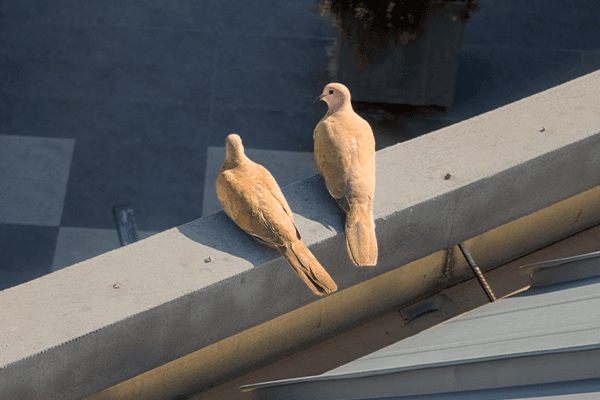
Loafing, roosting and nesting are key bird activities that lead to bird issues.
-
Food sources, water access and sheltered nesting areas around your property can attract nuisance birds.
-
Bird droppings, nests and roosting activity may lead to contamination concerns, property damage and inspection issues.
-
Many bird species are protected by federal and state regulations, making professional guidance important for compliant bird control.
-
Long-term bird prevention requires more than cleanup alone — exclusion, deterrents and ongoing monitoring help reduce repeat activity.
Businesses often focus their pest management efforts on rodents and insects, but nuisance birds can be just as disruptive. Birds that roost or nest on commercial properties can create health and safety concerns, contribute to facility damage and negatively impact customer perceptions. Once birds establish a nesting or roosting site, they may return repeatedly unless the underlying conditions are addressed.
Whether you manage a warehouse, manufacturing facility, healthcare property, food & beverage processing plant or retail location, understanding the basics of commercial bird control can help protect your operations and maintain compliance.
What Is Commercial Bird Control?
Commercial bird control is the process of helping prevent nuisance birds from nesting, roosting and congregating on business properties. Effective bird management combines sanitation practices, exclusion measures, deterrent systems and ongoing monitoring to help reduce health, safety and compliance risks. Because different bird species exhibit different behaviors, the most effective bird control programs are tailored to the property, industry and specific bird activity observed.
Signs Bird Activity May Be Affecting Your Facility
-
Droppings on walkways, rooftops or equipment
-
Nesting materials near structures
-
Repeated bird sightings around the same areas
-
Birds entering buildings or loading docks
-
Unusual noise from nesting locations
-
Damaged insulation, vents or equipment
Common Questions About Commercial Bird Control
Not every bird on your property is cause for concern, but recurring bird activity usually is. Below are answers to common commercial bird control questions to help you understand the risks, recognize the warning signs and protect your facility.
1. Why are birds attracted to my facility?
Birds are drawn to three things: food, water and shelter. Commercial properties often provide all three without realizing it.
Common attractants include:
-
Open dumpsters and compactors
-
Outdoor dining areas and food waste
-
Standing water sources
-
Loading docks
-
Rooflines and ledges
-
HVAC equipment and mechanical areas
-
Signs, canopies and structural overhangs
Even small gaps, sheltered spaces or low-traffic areas can become attractive nesting locations. Once birds establish a successful loafing, roosting or nesting site, they often return repeatedly and may attract additional birds.
2. What types of birds cause the most problems?
The most common nuisance birds in commercial environments include:
-
Pigeons: They thrive in urban and industrial environments and often roost on rooftops, ledges, parking structures and signage. Their droppings can accumulate quickly and contribute to property damage and sanitation concerns.
-
Sparrows: They frequently nest in vegetation barriers, small openings, building cavities, signage and equipment housings. Their nesting materials can create maintenance and fire hazards around certain equipment.
-
Starlings: They are known for large flocking behavior and aggressive nesting habits. Large groups can create extensive droppings accumulation and operational challenges around facilities.
Each species behaves differently, which is why effective bird control depends on proper identification and a tailored approach.
3. Are birds a health or safety risk?
Yes. Bird activity can impact both health standards and physical safety.
Potential risks include:
-
Contamination of products and surfaces
-
Slip-and-fall hazards caused by droppings
-
Damage to building exteriors and equipment
-
Clogged gutters and drainage systems
-
Fire risks associated with nesting materials
-
Customer complaints and negative impressions
-
Increased scrutiny during inspections and audits
For industries like food & beverage, healthcare and manufacturing and logistics, bird activity may also lead to audit findings, customer complaints or increased scrutiny during inspections.
4. Can I remove birds or nests myself?
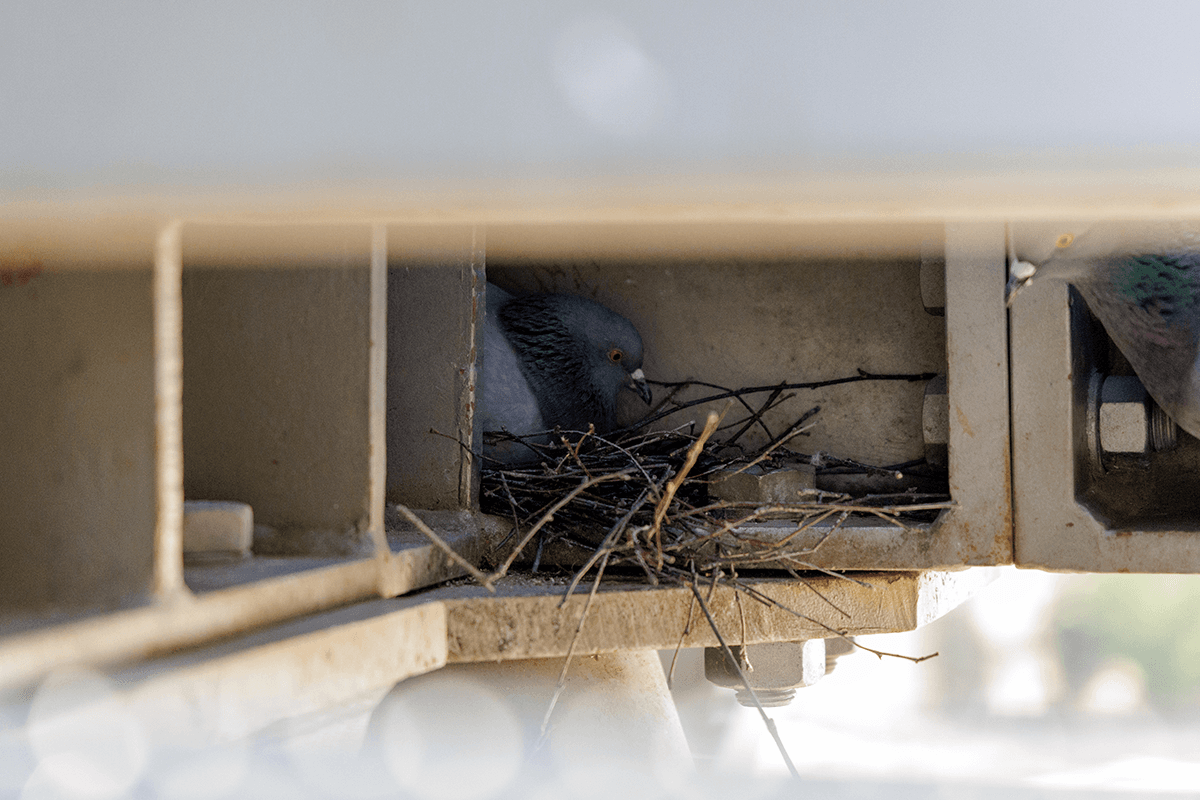
Not always. Many bird species are protected under federal and state regulations, including the Migratory Bird Treaty Act (MBTA).
This means:
-
All nuisance birds must be properly identified before being removed.[CJ1]
-
Mitigation efforts may require special permitting from federal, state, county and municipal agencies, along with identifying any declarations of bird sanctuary laws.
-
Improper handling can result in fines or legal issues.
A professional partner helps ensure your bird control strategy is both effective and compliant.
5. Why do birds keep returning even after we clean up?
Cleaning alone doesn’t solve the root problem. Birds often return to places where they’ve successfully roosted or nested before. Without deterrents or exclusion measures in place, your property remains an easy target.
Long-term prevention requires a combination of:
-
Improved sanitation
-
Habitat modification
-
Exclusion systems
-
Physical deterrents
-
Routine monitoring
Addressing the root cause is usually more effective than repeated cleanup efforts alone.
6. What are the most effective ways to prevent bird activity?
Prevention is always more cost-effective than reactive cleanup.
Common bird prevention strategies include:
-
Improving waste management
-
Reducing access to food and water sources
-
Identifying and addressing loafing, roosting and nesting opportunities.
-
Sealing entry points and repairing structural gaps
-
Installing deterrents like netting, spikes or exclusion systems
-
Maintaining rooftops, signage and equipment areas
-
Removing nesting materials promptly when legally permitted
The key is consistency. Small oversights can reopen the door to bird activity.
7. Are Bird Spikes and Other Deterrents Effective?
Yes, but only when used appropriately. Bird spikes, netting, exclusion systems and other deterrents can be highly effective when matched to the bird species and installation area.
For example:
-
Bird spikes may help discourage bird behavior on ledges and signs.
-
Bird spikes can help discourage birds from landing or roosting on ledges, signs and other narrow surfaces, but they aren't effective in every situation or against every bird species.
-
Bird netting can block access to larger protected areas.
-
Exclusion systems may prevent birds from accessing structural voids.
-
Facility modifications can eliminate attractive nesting locations.
Proper installation and timing matter just as much as the deterrent itself. Because many bird species are protected by federal and state regulations, installing deterrents or removing nests without understanding the applicable requirements can create compliance risks. An experienced bird control professional can identify the species involved, recommend the right approach and help ensure your bird control strategy aligns with applicable regulations.
8. What Damage Can Birds Cause to Commercial Buildings?
Birds can cause more damage than many businesses realize.
Potential impacts include:
-
Corrosion from droppings
-
Roof and facade deterioration
-
Clogged gutters and drainage systems
-
Damage to HVAC equipment
-
Contaminated inventory or products
-
Increased cleaning and maintenance costs
-
Damage to signage and exterior structures
Over time, recurring bird activity can significantly increase facility upkeep expenses.
9. How Much Does Commercial Bird Control Cost?
The cost of commercial bird control varies depending on several factors, including:
-
Property size
-
Type of bird species involved
-
Severity of the infestation
-
Building design and access requirements
-
Exclusion materials and deterrent systems needed
-
Ongoing monitoring requirements
Because every property presents unique challenges, professional inspections are often the best way to determine the most appropriate and cost-effective solution.
10. When should I call a professional for bird problems?
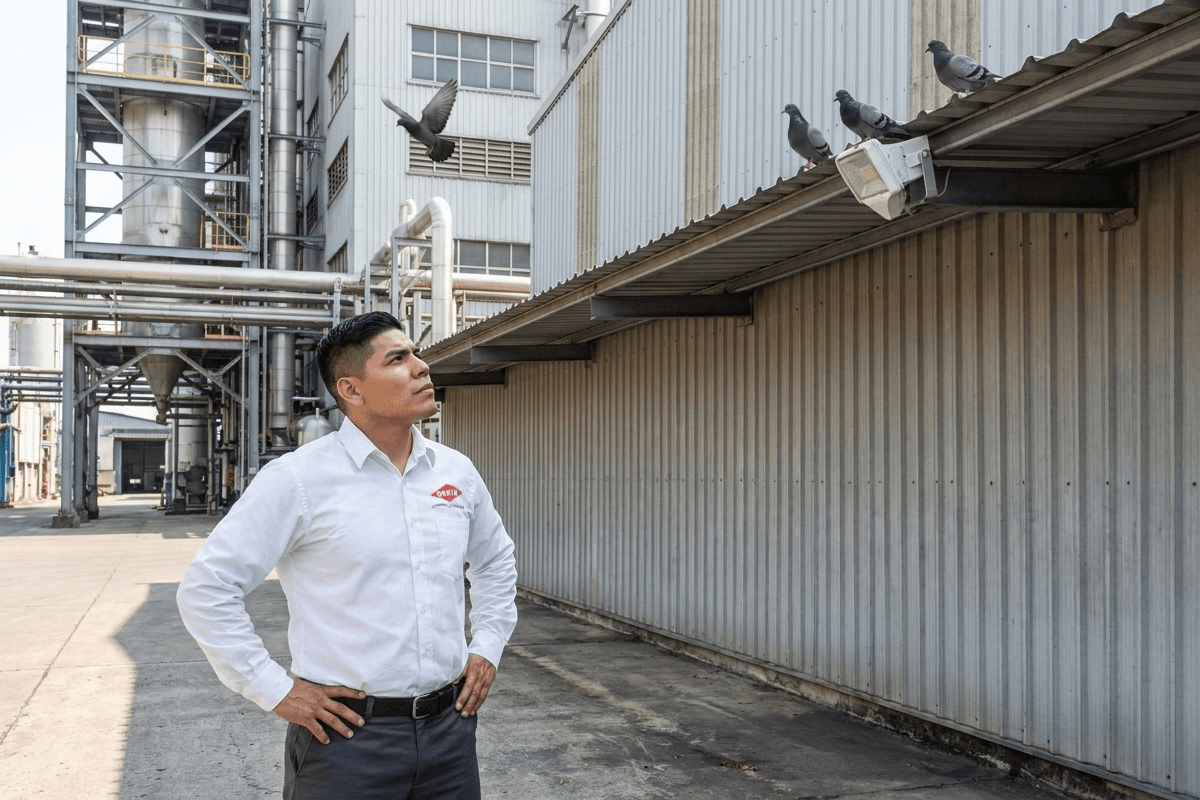
If bird sightings are becoming more frequent or the presence of bird feathers, nesting materials, droppings or consistent chirping from an area have become more noticeable, it’s time to bring in professional support. Bird control isn’t a generic service; it requires an understanding of species behavior, regulations and how birds interact with your specific facility.
That’s where an expert partner makes the difference.
Don’t Wait for Bird Activity to Escalate
Bird issues rarely resolve on their own — the longer they’re left unchecked, the harder they can be to manage. That’s why we handle the details so you can stay focused on running your business.
Call an Orkin Pro and get a clear, customized plan to help protect your property.