How to Prepare for Bird Nesting Season at Your Facility
Key Takeaways for Facility Managers
-
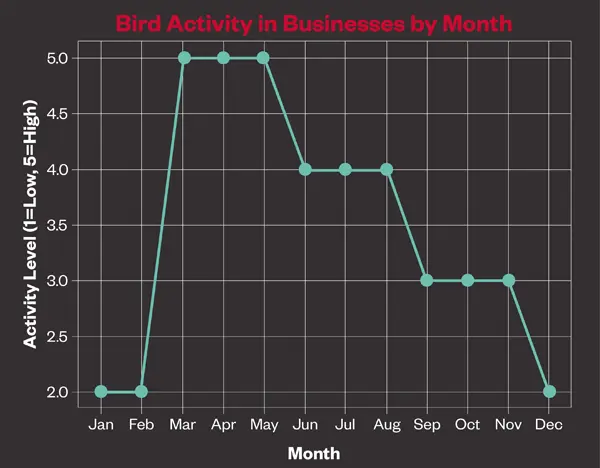
Bird nesting season often begins as early as February and peaks in spring.
-
Once nests are active, federal and state laws may limit removal options.
-
Birds are attracted to facilities that provide food, water and shelter.
-
Early inspections, sanitation and deterrents help prevent costly delays.
-
Proactive bird control supports compliance, safety and operational continuity.
Bird nesting season refers to the period when birds actively choose, build and occupy nests, often triggering legal protections once eggs or hatchlings are present. The season is from March to June in North America for most species, but this can vary quite a bit. Bird presence at your business can create compliance risks, delays and added costs, especially once nests become active. For facility managers, that means getting ahead of the problem is key; waiting too long can limit your options and drive up costs.
State- and federal-level restrictions and federal-level restrictions like the Migratory Bird Treaty Act (MBTA) — makes it illegal to disturb active nests of protected species without a permit, and those restrictions last year-round. It's important to know that all but three migratory bird species in the United States are protected under the MBTA, so mitigating pressure before nesting starts is key.
Why Nesting Season Creates Problems
Birds look for food, water and shelter. Commercial facilities often provide all three: ledges for perching, gaps for nesting and trash for meals — a five-star hotel for pigeons, starlings, sparrows and others. They show up, leaving droppings that damage roofs, block vents and spread diseases like Salmonella. Customers notice, and regulators do, too. The Occupational Health and Safety Administration (OSHA) requires workplaces to be constructed or equipped to help prevent pest entry, including pest birds. In food environments, FDA and USDA regulations make those expectations even more strict.
If you wait until nests are active to deal with bird issues, you'll likely face more resistance. Once nests are active, even routine maintenance or construction work may be delayed to remain compliant. The MBTA prohibits removal or harm to protected birds, eggs or nests. Fines start in the thousands, and solutions get expensive fast. Your facility may have to pay for delays that could have been avoided with a simple inspection.
Additionally, birds have very strong social behaviors, especially during nesting activities. New birds come to an area loafing or roosting, behaviors where they are looking for food and socializing. While they may be a bit committed to the area during social activities, that level of commitment to the environment skyrockets once they determine an area is safe and they begin to nest. This makes deterrent products less effective and usually exclusion becomes the only option — after nesting season, if they are protected. This combination of legal and behavioral challenges can lead to having to deal with a persistent problem much longer than you (and your business) would want.
When Is Bird Nesting Season for Commercial Facilities?
Nesting season can last from March through August, with some variation based on climate and bird species.
Schedule bird exclusion work before mid-March if possible. Early action means you’ll have effective exclusion methods in place before eggs appear.
How to Prepare for Bird Nesting Season at Your Facility
Before bird nesting season starts, facilities should inspect areas that may attract nesting or roosting birds and address conditions that encourage activity. Taking preventive action early — before nests become active — can help reduce clean-up costs, operational disruptions and property damage later in the season. Because once birds settle in, they rarely leave quietly.
1. Inspect High-Risk Areas for Bird Activity
A good bird prevention plan starts with knowing where birds are most likely to settle.
Common nesting locations include:
-
Rooflines
-
Ledges
-
Eaves
-
Dock canopies
-
Vents
-
Signs
-
Loading docks
-
Rooftop utilities (e.g. commercial HVAC units)
-
Other elevated surface areas
Facility teams should look for early warning signs such as:
-
Dropping streaks
-
Bird sounds or repeated sightings
-
Loafing or roosting birds in the area
-
Feathers, twigs and other nesting materials
-
Damage that could give birds easier access
Catching activity early helps you act before nests become established. That can save time by preventing a larger clean-up later, reduce repair costs tied to droppings or blocked vents and help your facility avoid delays caused by active nests that can’t be disturbed.
2. Remove Food, Water and Shelter Attractants
If birds are finding food, water or easy shelter on your property, they’re more likely to return.
Here are some common attractants:
-
Trash containers
-
Food debris
-
Standing water, including on flat roof surfaces with impermeable membranes
Even small issues, like overflowing dumpsters or puddles near entrances, can be enough to draw birds in and keep them coming back.
Removing attractants helps cut off the problem before it starts. Take action in these key areas:
-
Ensure proper drainage is in place
-
Maintain your building's exterior integrity
-
Manage trash frequently enough to help reduce odors
-
Keep nearby landscaping manicured
By helping to reduce repeat bird activity, you'll lower clean-up costs and protect your reputation from the visible bird pressure that can impact customer entrances and service areas.
3. Install Bird Deterrents Before Nesting Begins
Once you know where birds are landing, the next step is to make those areas less inviting. Bird deterrents are most effective when installed before birds choose nesting sites. Consider installing deterrents such as:
-
Spikes
-
Wire
-
Gels
-
Visual and other deterrents
These tools work best when installed in late winter — between November and late-February — before birds are choosing where to settle for nesting season. However, once birds have committed themselves to nesting, architectural alterations may be required to exclude them from coming; again, after nesting activity is over for most species. This can include:
-
Netting
-
Ledge guard
-
Flashing and hardware cloth installations
Installing bird deterrents early can help in number of ways:
-
Saving you money by reducing the chance of more expensive repairs later
-
Protecting your building from the damage birds can cause over time
-
Keeping your facility looking cleaner and more professional to guests, tenants and employees
-
Protecting the integrity of your facilities and your brand
4. Clean Up Droppings and Old Nesting Materials
If birds have already been present on your property, don’t wait for the evidence to build up. Old nests, droppings and contaminated surfaces should be removed and sanitized as soon as possible. Bird droppings can be corrosive and may damage metal, concrete and other materials if left untreated for too long.
Proactive clean-up helps protect your facility from long-term structural damage and keeps small issues from becoming bigger, more expensive ones. It also supports a safer, more presentable environment, which matters for both reputation and day-to-day operations.
5. Train Staff to Spot Early Bird Activity
Bird prevention works best when everyone knows what to look for. Employees who work on roofs, docks, maintenance routes, the grounds or around dumpsters should be trained to spot the early warning signs of bird activity. The sooner these are reported, the faster your team can respond.
Training your team helps you catch problems early, before they turn into operational disruptions or compliance concerns. It also creates a faster response process, which can save time, reduce service costs and help your facility stay ahead of avoidable issues.
These steps are just the start to prevention, but more advanced practices may need to be implemented depending on your business’s needs.
When to Call a Bird Control Professional
Birds adapt quickly to DIY fixes. That’s where an Orkin Pro comes in. We handle site surveys, compliant installations, ongoing monitoring — all tailored to your facility and compliant with federal, state and local regulations.
With 125 years of experience, we know how to stay ahead of seasonal pest pressures so you don’t have to react to them later. Making a proactive plan now helps you avoid costly delays down the line.
Whether you're dealing with an active issue or looking to stay ahead of one, an Orkin Pro can help assess your facility, identify potential entry points and recommend a bird control strategy tailored to your operations. Contact an Orkin Pro for a bird control inspection.
FAQs About Bird Nesting Season
1. When should I schedule bird control services?
The best time to schedule bird control services is between November and February, before birds begin nesting. Late winter inspections and exclusion work help reduce compliance risks and make deterrents more effective.
2. What happens if nesting has already started at my facility?
If bird nesting has already started, your bird control options may be limited by federal regulations. Under the Migratory Bird Treaty Act (MBTA), active nests, eggs and hatchlings of most bird species are protected. In many situations, exclusion or removal work must wait until nesting activity has ended. That's why addressing bird activity before nesting season helps reduce compliance risks and operational delays.
3. Which bird species are not protected under the MBTA?
Only three bird species are currently not protected under the MBTA in the United States: European starlings, house sparrows and rock pigeons. Nearly all other bird species are protected by federal law, making proper identification critical before any bird control measures are taken. An Orkin Pro can help determine which species are present and recommend compliant next steps.
4. What does an Orkin bird control inspection involve?
A bird control inspection includes a detailed assessment of your facility's bird activity, attractants and potential nesting areas. An Orkin Pro will identify food sources, standing water, structural gaps and high-risk roosting locations that may attract birds. Based on the findings, we'll recommend a customized bird control strategy tailored to your facility, operations and compliance requirements.
5. Can bird droppings really cause that much damage?
Yes, bird droppings can cause significant property damage and sanitation concerns if left untreated. Bird droppings are acidic and can corrode roofing materials, metal surfaces and concrete over time. They can also clog drainage systems, create slip hazards and contribute to health risks associated with pathogens such as Salmonella. For many facilities, bird droppings can quickly become both a maintenance issue and a compliance concern.