How to Help Keep Wildlife Out of Your Business
Key Takeaways
-
Wildlife can damage property, create sanitation concerns and disrupt business operations.
-
Help reduce access to food, water and shelter by securing waste and managing vegetation and debris.
-
Watch for signs of activity and report them early so issues can be addressed before they escalate.
-
If wildlife gets inside, seek professional help rather than attempting to handle or remove the animal yourself. Addressing how it entered can help reduce repeat problems.
Wildlife has its place. Your property isn’t it. Squirrels, raccoons, bats, birds and other nuisance wildlife can disrupt your business operations by causing property damage and creating sanitation concerns. A few proactive measures can help make your commercial property less appealing to these uninvited guests.
What Is Commercial Wildlife Control?
Commercial wildlife control focuses on identifying nuisance wildlife, reducing the conditions that attract animals and addressing potential ways they can enter a facility. The right approach depends on the species, property and applicable wildlife requirements.
An Orkin Pro looks at the full picture — not just the animal you can see. That means evaluating signs of activity, potential entry points and conditions around the property that may be giving wildlife a reason to stick around. From there, your Pro can recommend appropriate control, exclusion and monitoring measures.
Why Wildlife Can Be a Problem for Businesses
A commercial property can offer wildlife exactly what it’s looking for: food, water and a protected place to settle in. And once an animal finds a good setup, it isn’t exactly checking the lease before moving in.
Depending on the species and where activity occurs, wildlife can damage roofing, insulation, wiring, stored materials and other building components. Droppings and nesting materials can also create sanitation concerns, while cleanup, repairs or restricted access can disrupt day-to-day operations.
The impact varies by species and facility type. Identifying activity early can help you understand what you’re dealing with and determine the right response.
What Wildlife Is Commonly Found Around Commercial Properties?
The wildlife around your business depends on your location, building design and surrounding environment. Identifying the animal matters because appropriate control methods and wildlife requirements can vary by species.
Some animals that may cause problems around commercial properties include:
-
Birds and Bats: Rooflines, ledges and signage can provide places to roost or nest, leading to droppings and property concerns.
-
Squirrels: Squirrels may take advantage of vulnerable areas around rooflines, soffits, vent stacks and other exterior openings to access protected interior spaces.
-
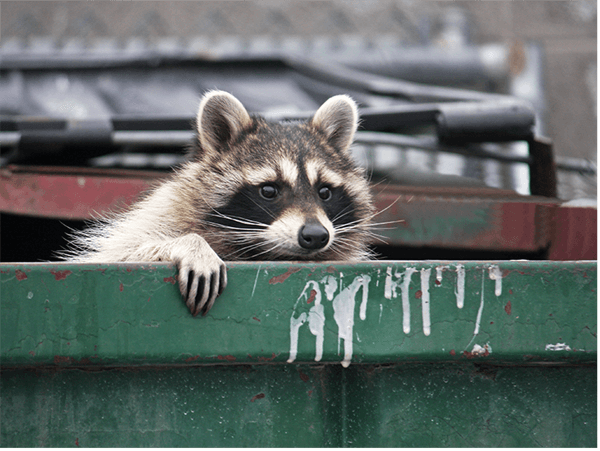
Raccoons and Opossums: Accessible waste and sheltered areas may attract these animals to commercial properties.
-
Snakes: Properties with vegetation or prey may be more likely to see snake activity.
-
Other nuisance wildlife: Depending on the location and property conditions, businesses may also encounter skunks, groundhogs, moles, voles and other animals.

How Can Businesses Help Prevent Wildlife Activity?
Helping to keep wildlife away from a commercial property starts with two basic goals: make it harder to get inside and give animals fewer reasons to stay nearby.
1. Address Potential Entry Points
Regularly inspect your building exterior for openings that could provide wildlife access. Pay particular attention to rooflines, vents, soffits, doors, loading areas and openings around pipes or utilities. Weather, repairs and normal wear can create new vulnerabilities over time.
If wildlife is already inside, address the animal appropriately before securing the opening. Sealing an entry point too soon can turn one wildlife problem into a harder one.
2. Remove Access to Food and Waste
Wildlife doesn’t need much encouragement when an easy meal is available. Keep exterior waste containers securely closed, avoid overflow and clean up food debris or spills promptly. Keep outdoor dining and employee break areas clean, and store food and waste in secure containers.
Review waste practices regularly, especially anywhere food, packaging or organic material tends to accumulate.
3. Manage Vegetation and Exterior Conditions
Overgrown landscaping and clutter can give wildlife places to hide, nest or move around your property unnoticed. Keep vegetation trimmed, especially near rooflines and exterior walls, and address debris piles, stacked materials, unused equipment or protected spaces beneath exterior structures.
The less cover wildlife has around your building, the fewer reasons it has to stick around.
What Are the Signs of Wildlife Activity?
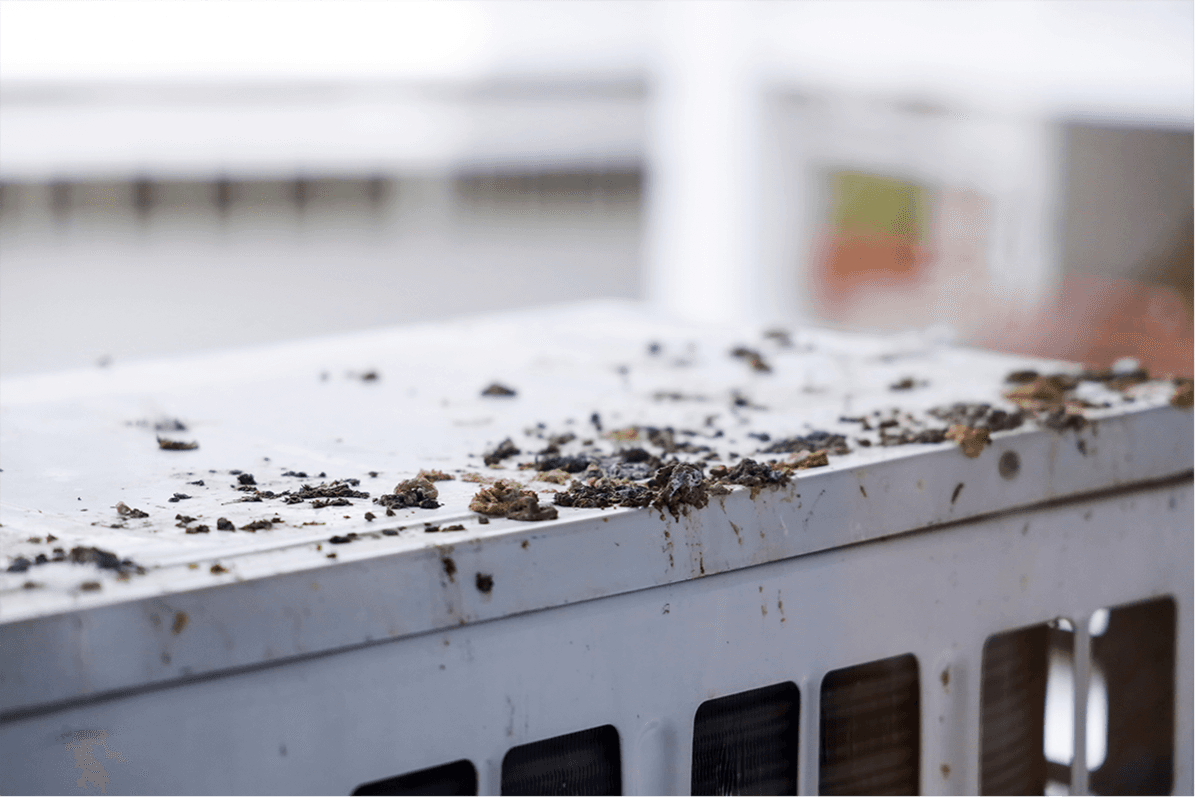
Wildlife activity isn’t always obvious. Often, the first clue isn’t the animal itself — it’s what the animal leaves behind.
Watch for:
-
Droppings or nesting materials around entry points or sheltered areas
-
Gnaw marks, damaged vents or damage to stored materials
-
Tracks, burrows or disturbed areas around the building exterior
-
Unusual noises or recurring animal sightings
Employees don’t need to become wildlife experts. They just need to know what looks unusual, where to report it and who to notify. Early reporting gives your pest control professional better information to identify the species, evaluate the activity and determine appropriate next steps.
What to Do If Wildlife Gets Inside Your Business
If wildlife gets inside your facility, give it space. Trying to corner, handle or remove a wild animal yourself can create additional risks for both the animal and the people nearby.
A wildlife or pest control professional can help identify the species, address the immediate activity and determine how it entered. Once the immediate wildlife activity has been addressed, the next job is closing the door behind it — figuratively and, in some cases, literally. Exclusion measures can help reduce opportunities for wildlife to use the same access point again.
Help Keep Wildlife in the Wild
The goal isn’t just to respond to the animals you can see. It’s to understand what brought them there and where your property may be vulnerable. An Orkin Pro can inspect your facility and help identify appropriate next steps.
Wildlife has plenty of places to live. Your business doesn’t need to be one of them. Schedule a free pest control inspection to get a plan built around your business and facility.