Across the United States, pest pressure varies widely by region, climate, and urban environment. Each year, Orkin analyzes nationwide pest treatment and service data to identify the U.S. cities that experience the most significant pest challenges. While no city is immune, certain metro areas consistently face higher levels of activity from pests such as mosquitoes, bed bugs, termites, and rats.
What Are High Pest Activity Cities?
These rankings highlight cities with the highest relative pest activity based on how often pests are treated, environmental conditions that support infestations, and urban factors that allow pests to thrive. The results are reviewed annually to reflect changes in pest behavior and regional trends.
Explore Pest Activity Rankings by Pest Type
Different pests thrive for different reasons. One city may struggle primarily with seasonal mosquito activity, while another faces ongoing challenges with rodents or structural pests. Explore the rankings below to see how cities compare by pest type and understand what drives elevated pest pressure in each location.

Top Cities for Termite Activity
Termite activity varies nationwide. See where problems are most severe.
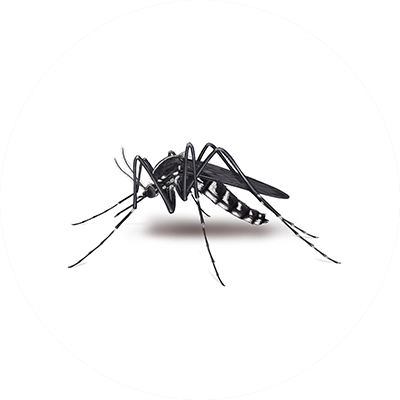
Top Cities for Mosquito Activity
Discover the cities most affected by mosquito activity nationwide.
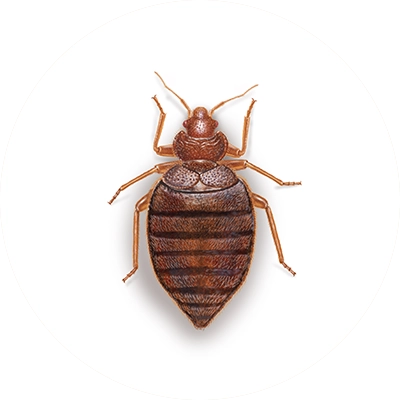
Top Cities for Bed Bug Activity
Based on service data, these cities face the worst bed bug problems.

Top Cities for Rat Activity
See which U.S. cities face the most severe rat problems each year.
How Are Cities Ranked for Pest Problems?
The rankings featured across these pest city lists are based on aggregated pest treatment and service data, analyzed over a defined time period. Cities are evaluated by relative pest activity rather than population size alone, allowing for a clearer comparison of pest pressure between markets.
Key factors that influence rankings include:
-
Frequency of pest treatments
-
Geographic and climate conditions
-
Housing density and infrastructure
-
Seasonal pest behavior trends
These rankings are updated regularly to reflect changes in pest activity and emerging trends.
What Pest Heavy Cities Have in Common
Cities that rank highest for pest problems often share similar environmental and urban characteristics. While each pest behaves differently, regions with recurring pest pressure typically experience:
-
Dense populations and urban sprawl
-
Aging buildings and infrastructure
-
Warm or variable climates
-
High levels of travel and commerce
-
Limited space between residential and commercial structures
Understanding these shared factors helps explain why some cities repeatedly appear across multiple pest rankings year after year.
How to Reduce Pest Problems in High Risk Cities
Living in a city with elevated pest activity doesn’t mean infestations are inevitable. Proactive prevention and awareness can significantly reduce risk, even in pest‑heavy regions.
-
Maintaining proper sanitation and waste management
-
Sealing cracks, gaps, and entry points
-
Managing moisture indoors and outdoors
-
Monitoring pest activity seasonally
Awareness is key, knowing which pests are most active in your area and when they peak can make a significant difference in prevention and early detection.
High rankings reflect environmental pressure, not inevitability. With informed prevention and professional support, pest risks can be managed effectively in any city.