


ASK ORKIN
Termite Control Near Hyde Park, Austin, TX: A Local Guide
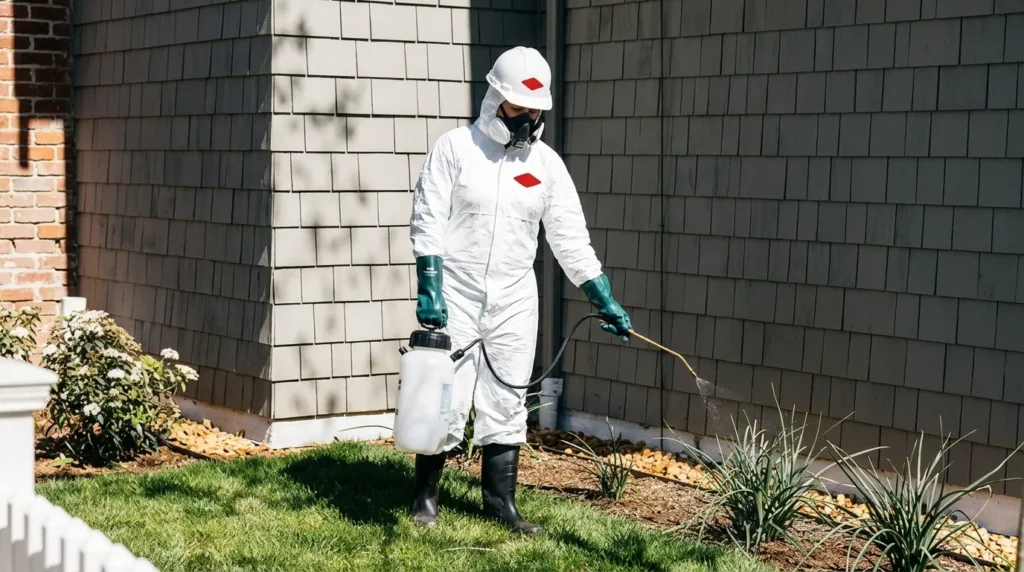
Orkin protects Hyde Park, Austin homes from subterranean & drywood termites. Get a free inspection and stop termites before they cause costly damage.
Key Takeaways
- Hyde Park homeowners should first decide whether they have an active infestation, need preventative protection, or require a WDI report before buying or selling.
- Subterranean termites are the most common species in Austin, identified by mud tubes, while drywood termites produce frass and live inside wood without soil contact.
- Older 1920s pier-and-beam bungalows in 78751 lack modern termite pretreatment, which increases risk due to wood-to-soil contact and mature tree roots.
- Orkin termite inspections are free and follow a five-step process covering piers, crawl spaces, moisture conditions, and a detailed service report.
- Local Austin Orkin Pros are trained on Central Texas termites, and their work is backed by the Orkin termite guarantee for reliable protection.
Schedule Your Free Hyde Park Termite Inspection
Subterranean vs. Drywood Termites in Hyde Park, Austin
Subterranean termites nest in soil and reach wood through mud tubes or cracks as small as the thickness of a business card, while drywood termites live inside the wood itself, need no soil contact, and need very little moisture. Your Orkin Pro bases the treatment plan on which species is present.
According to Orkin’s termite control resources, more than 2,200 termite species exist worldwide, with approximately 50 active in the United States. A single mature colony can have between 60,000 and 1 million termites, and Formosan termite colonies can reach over 2 million individuals. Infestations can stay hidden for months or even years before damage becomes visible, so a professional inspection is the most reliable way to catch activity early.
In Austin and Central Texas, homeowners most often encounter subterranean termites, particularly the Eastern subterranean termite, along with Formosan termites in some areas. Drywood termites are less common than along the Gulf Coast, but they still appear in older structures with untreated wood framing or antique furniture.
Here is what to look for in and around a Hyde Park bungalow:
- Swarmers: Winged reproductive termites that emerge in spring in much of Central Texas. To tell them from flying ants, termites have a broad, straight waist, straight antennae, and four wings of equal length. Flying ants have a pinched waist, elbowed antennae, and unequal fore and hind wings.
- Mud tubes: Pencil-width earthen tunnels running up foundation walls, piers, or sill plates. These are a clear sign of active subterranean termite activity.
- Frass: Tiny pellets of expelled wood fiber, a sign of drywood termites living inside the wood itself.
- Hollow-sounding wood: Tap baseboards, door frames, or floor joists. A papery or hollow sound can indicate feeding has occurred inside.
Identification drives treatment choice. Subterranean termite work focuses on soil and barriers. Drywood termite work targets the wood and structure directly. In Hyde Park, that correct identification matters even more because the neighborhood’s older housing stock already gives termites many ways in.
Why Hyde Park’s Older Bungalows Raise Termite Risk
If you own or are buying a home in 78751, the details below explain why a professional inspection matters more here than in many newer Austin neighborhoods.
Hyde Park’s 1920s pier-and-beam bungalows were built before modern termite pretreatment became standard practice. Homes built before roughly the 1970s went into the ground without any soil-treated barrier or chemical pretreatment of framing, so an older Hyde Park bungalow effectively starts protection from zero. Builders often used old-growth lumber without pressure treatment or termite-resistant preservatives, especially in non-load-bearing framing, sheathing, and subfloor components.
Pier-and-beam construction creates additional exposure points. Wood-to-soil contact around piers and skirting gives subterranean termites a direct path from the ground to structural wood. Compromised vapor barriers and poor crawl space ventilation trap humid, stagnant air under the house, soften the wooden subfloor, and create conditions that attract termite activity. Foundations shift over decades, and a tight seal in a 1925 home can open into hairline gaps that subterranean termites can move through.
Hyde Park’s mature pecan and live oak canopy adds further risk. Tree roots growing near or under a home’s foundation create natural pathways through the soil that subterranean termites follow. Those roots provide moisture and organic material, and they open a direct underground route from the tree or dead stump to the foundation, sill plate, or subfloor. Dead stumps left in the ground become concentrated food sources for subterranean termite colonies. Leaf litter and mulch against the foundation hold moisture and provide cellulose directly next to the structure.
Timing also affects risk in Central Texas. Swarm Season in much of the region falls in spring, and Austin’s warm climate keeps termite pressure active longer than in colder markets. Orkin’s Seasons of Pest Protection maps this activity so recurring monitoring visits match what termites are doing in your zone.
What a Termite Inspection Involves, and Is It Free?
Orkin termite inspections are free. There is no charge to have a local Orkin Pro come to your Hyde Park home and conduct a thorough inspection.
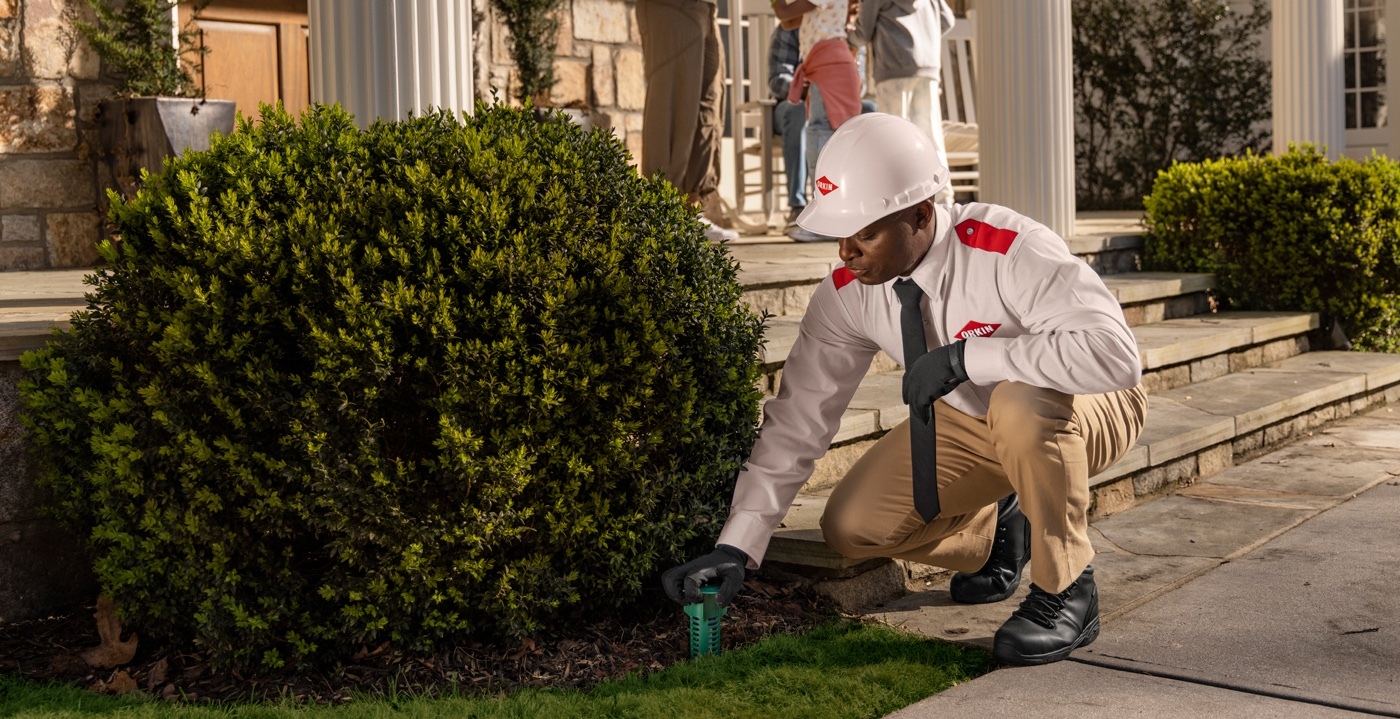
During the inspection, your Orkin Pro examines the areas where termite activity is most likely to start or hide in a pier-and-beam home:
- Piers and crawl space framing for mud tubes, damage, and moisture conditions
- Sill plates and rim joists along the foundation perimeter
- Exterior wood-to-soil contact points around skirting, steps, and landscaping features
- The attic where accessible
- Moisture conditions throughout, using tools such as moisture meters
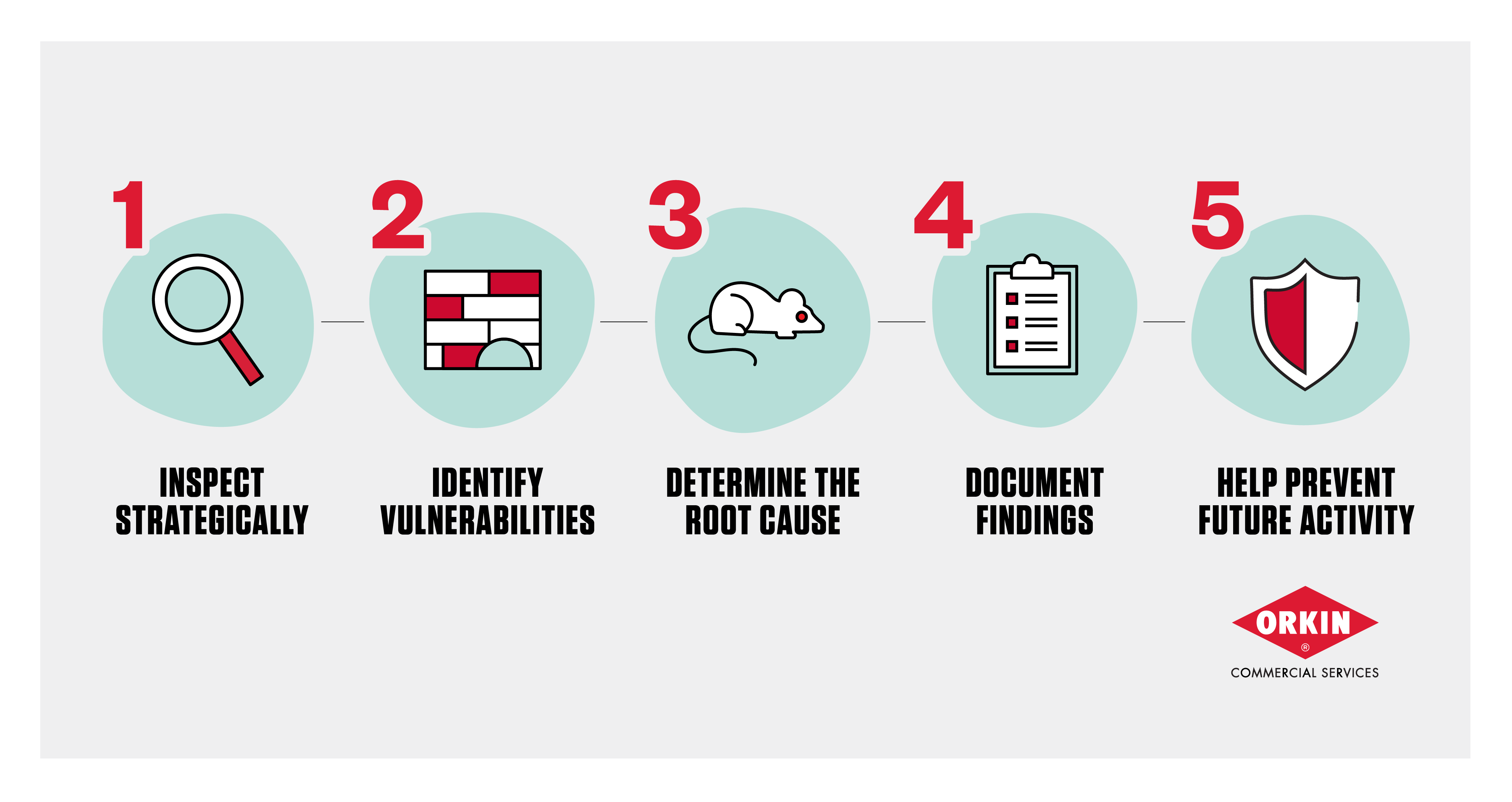
This inspection follows the five-step Orkin Pro Process: Inspect, Diagnose, Protect, Monitor, Report. After every visit, your Orkin Pro provides a detailed service report covering what was found, what was treated, and what to expect next. If you are buying or selling, you will also need a different document.
For buyers and sellers in Hyde Park, a wood-destroying insect (WDI) report is a separate, dated document issued on the Texas SPCS/T-5 form under the authority of the Texas Department of Agriculture’s Structural Pest Control Service. It is a visual record of accessible areas covering four categories: active infestation, evidence of previous infestation, visible prior treatment, and conducive conditions such as wood-to-soil contact or moisture accumulation. It is not a structural engineering report and does not certify that concealed damage is absent behind walls or under flooring.
Texas uses its own state form for real estate transactions, and VA loans in Texas require a WDI inspection before closing. FHA loans require one when the appraiser notes conducive conditions, and conventional lenders decide case by case. Scheduling the WDI inspection at the same time as the general home inspection keeps everything inside the option period and leaves time to act on findings before closing.
Termite Treatment Options Explained
Orkin offers both liquid barrier treatment and bait and monitoring options. The right choice depends on the species identified, the severity of the infestation, and the construction of your home. Your Orkin Pro recommends the approach that matches what the inspection reveals.
Liquid barrier treatment creates a continuous treated zone in the soil around the structure’s perimeter. It works by establishing a barrier that subterranean termites encounter as they forage from the colony toward the home. Bait and monitoring systems place in-ground stations around the foundation that termites find while foraging. The bait contains a slow-acting material that workers carry back to the colony. Both approaches play a role in a comprehensive termite protection plan. Orkin Pros apply EPA-registered products according to the label, start with the least invasive effective method, and use the amount of product needed.
Spot treatment addresses a localized area of activity. Whole-home protection establishes a perimeter barrier or monitoring network around the entire structure. For an older Hyde Park bungalow with multiple wood-to-soil contact points and crawl space exposure, whole-home protection is typically the more thorough approach.
Whichever approach your Pro recommends, the work is covered by the Orkin termite guarantee: if you are not completely satisfied with your Orkin termite treatment, let Orkin know within 30 days, and if it cannot be fixed within the next 30, Orkin gives a full refund, including the treatment and any prepaid monitoring. See your service agreement for details.

Discuss Hyde Park Treatment And Pricing
What to Ask Before You Hire a Termite Company
Five questions worth asking any termite company before you sign. Here is how Orkin answers them:
- Is the inspection free, and what does it cover? Orkin termite inspections are free. The Orkin Pro inspects piers, sill plates, the crawl space, exterior wood-to-soil contact, the attic where accessible, and moisture conditions throughout.
- Who is coming to my home, and how are they trained? A local Orkin Pro from the Austin branch comes to your home. Each Pro completes 160 hours of training in the first year, covering general pest control best practices and the specific pest pressures of Central Texas.
- What process do you follow on every visit? The five-step Orkin Pro Process applies on every visit: Inspect, Diagnose, Protect, Monitor, Report.
- What happens if termites come back? The Orkin termite guarantee applies. If you are not completely satisfied within 30 days and the problem cannot be fixed within the next 30, Orkin provides a full refund including the treatment and any prepaid monitoring. See your service agreement for details.
- Do you offer both liquid and bait and monitoring options? Yes. Orkin offers both, matched to the species identified, the severity of the infestation, and the construction of your home.
Preventative Termite Protection for an Older Hyde Park, Austin Home
For a 1920s pier-and-beam bungalow in 78751, prevention works best as an ongoing practice with recurring monitoring. Start with moisture control, then address wood contact and yard conditions around the house.
- Reduce moisture under the house by maintaining vapor barriers and improving crawl space ventilation.
- Fix grading and drainage so water moves away from the foundation rather than pooling against it.
- Break wood-to-soil contact at piers, skirting, steps, and any wood landscape features touching bare earth.
- Keep mulch and firewood several inches away from the foundation and off siding.
- Remove dead stumps within 20 to 30 feet of the foundation, where feasible.
- Clear leaf litter and debris from the foundation perimeter.
- Schedule recurring professional monitoring timed to Central Texas termite activity.
Orkin’s Seasons of Pest Protection maps termite activity across six pest seasons. In much of Central Texas, Swarm Season falls in spring, and Austin’s warm climate means termite pressure continues well beyond that window. Recurring monitoring visits are timed to local conditions so protection stays current through every season.
Next Steps For Hyde Park, Austin Homeowners
Whether you found a mud tube on a pier this morning, are comparing ongoing protection options, or need a WDI report before closing on a Hyde Park bungalow, the path forward starts with a free termite inspection from a local Orkin Pro.
Orkin’s Austin branch is staffed by local Orkin Pros trained on Central Texas termites. They offer free termite inspections, and their termite work is backed by the Orkin termite guarantee. Local Orkin Pros live and work in the community, know the specific pest pressures of 78751’s older housing stock, and bring over 90 years of termite experience and 160 hours of first-year training to every inspection. You can reach Orkin by phone 24 hours a day, 7 days a week, and same-day service is available in many areas when you call before noon.
For more on related pest concerns in Austin’s older neighborhoods, see Ant Control Near East Austin, Austin, TX: Who to Call and Carpenter Ant Control in Mueller, Austin, TX. Termites and carpenter ants are distinct problems that require different treatments, and an Orkin Pro can help you tell them apart.
Book Your Hyde Park Termite Inspection Today
Frequently Asked Questions
Is a Termite Inspection in Hyde Park, Austin Free?
Yes. Orkin termite inspections are free for Hyde Park homeowners. A local Orkin Pro from the Austin branch will inspect your piers, sill plates, crawl space, exterior wood-to-soil contact points, attic where accessible, and moisture conditions, then provide a detailed service report at no charge.
What Is a WDI Report and Do I Need One to Sell My House in Austin?
A WDI (wood-destroying insect) report is a dated, visual record of accessible areas of a home, issued in Texas on the SPCS/T-5 form under the Texas Department of Agriculture’s Structural Pest Control Service. It documents active infestation, evidence of previous infestation, visible prior treatment, and conducive conditions. VA loans require one before closing in Texas. FHA loans require one when the appraiser notes conducive conditions. Conventional lenders decide case by case. Sellers can also order one before listing to identify issues early. Scheduling it at the start of the option period leaves time to address any findings before closing.
How Do I Tell Subterranean Termites from Drywood Termites in My Hyde Park Home?
Subterranean termites nest in soil and travel to wood through mud tubes, which are pencil-width earthen tunnels visible on foundation walls, piers, and sill plates. Drywood termites live inside the wood itself, leave no mud tubes, and produce small pellets of frass. Swarmers from both species can appear indoors in spring. To tell termite swarmers from flying ants, termites have a broad, straight waist, straight antennae, and four wings of equal length. Flying ants have a pinched waist, elbowed antennae, and unequal wings. A free Orkin inspection confirms the species and guides the treatment plan.
How Does Termite Activity in Austin Differ by Season?
In much of Central Texas, Swarm Season falls in spring, when termite colonies produce winged reproductives that emerge to start new colonies. Austin’s warm climate means termite pressure continues well beyond spring, with feeding activity ongoing through summer and into fall. In colder markets termite activity slows significantly in winter, but Central Texas’s milder winters keep subterranean termites active for a longer portion of the year. Recurring monitoring timed to local conditions, rather than a single annual inspection, provides more reliable protection for Hyde Park homeowners.
Is Termite Treatment Safe for Kids and Pets?
Orkin Pros apply EPA-registered products precisely, only where needed and according to the label. Keep pets off treated surfaces until they are dry, which typically takes one to two hours. Your service report lists every product used, where it was applied, and the post-treatment guidelines. Product labels are available for review at any time. Many homes receive routine treatment only on the exterior, and your Orkin Pro will explain what to expect before leaving.