


ASK ORKIN
Pest Control Safe For Pets in Tampa & West Palm Beach
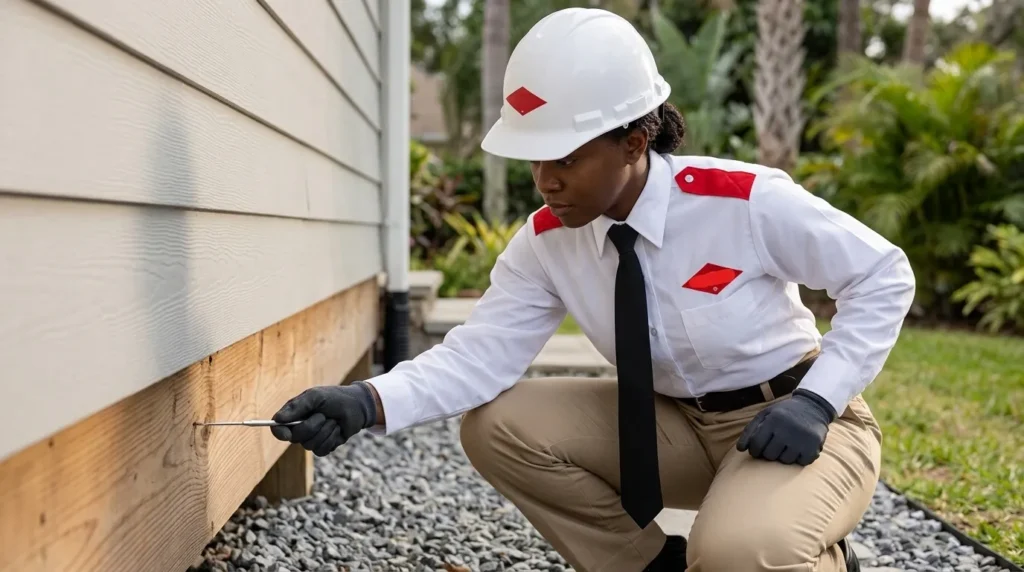
Keep your pets safe during pest control. Orkin serves Tampa & West Palm Beach with pet-friendly treatments. Get expert help today!
Key Takeaways For Pet Owners In Tampa And West Palm Beach
- Pet-safe pest control in Tampa and West Palm Beach relies on EPA-registered products applied precisely by trained professionals. DIY methods are a common cause of pet exposure incidents.
- Keep pets off treated surfaces until they are completely dry, typically one to two hours. Humid Gulf Coast conditions can extend this window.
- Cats are more sensitive than dogs to certain compounds like permethrin, so always disclose each pet species before treatment.
- Targeted methods such as enclosed baits and crack-and-crevice treatments reduce pet exposure compared to broad sprays or foggers.
- Orkin follows a structured process of inspection, targeted treatment, and detailed reporting to protect both pets and homes in Tampa and West Palm Beach.
How Long After Pest Control Is It Safe For Pets To Reenter?
Pets should stay off treated surfaces until those surfaces are completely dry. For most professional liquid perimeter and indoor crack-and-crevice treatments, that means roughly one to two hours under warm, well-ventilated conditions. Timing depends on the product, the formulation, the surface type, and the individual animal. Families who want extra peace of mind can step out for a few hours after an interior treatment.
The National Pesticide Information Center (NPIC) advises treating the product label as the primary source for re-entry timing, not a general online estimate. A perimeter spray that dries in one hour on a sunny Gulf Coast afternoon can remain tacky for several hours on a cool, humid day. That longer drying period extends the time during which a pet walking across a treated patio could pick up residue on its paws.
Dogs and cats are not the only pets affected by re-entry timing. Fish tanks require special attention because aquariums draw room air through pumps, which means airborne mists or vapors can reach the water. Before any interior treatment, cover the tank tightly and turn off the pump and filtration system. Restore filtration promptly after the treatment area has dried and ventilated. If a pet shows unusual symptoms after any treatment, the National Poison Control Center can be reached at 1-800-222-1222 for human exposure guidance, and the ASPCA Animal Poison Control Center is available 24 hours a day at (888) 426-4435 for animal emergencies.
Knowing when it is safe to return is only half the question. The other half is which products and methods create lower risk for your dogs and cats from the start.
What Pest Control Approaches Are Safer For Dogs And Cats?
Professional pest control in a pet household focuses on lowering practical risk, not eliminating it entirely. The ASPCA Animal Poison Control Center handled more than 451,000 pet toxin cases in 2024, and insecticides accounted for just 3.7% of those exposures. Most insecticide-related cases traced back to incorrect dilution and pesticide bags left out after DIY use, rather than to professionally applied treatments.
Three factors shape how safe a treatment is for dogs and cats: the product’s toxicity profile, where it is placed, and how much is applied. The ASPCA notes that cats are deficient in certain enzymes that allow other animals to process substances differently. That difference explains why permethrin-based products that are safe for dogs can cause severe tremors and seizures in cats. Species details matter, so a provider should ask what kinds of pets you have, not just whether you have pets at all.
Orkin’s approach to pet households follows the Orkin Pro Process: Inspect, Diagnose, Protect, Monitor, Report. The Pro starts with a thorough inspection to identify the exact pest and the conditions driving it. That identification feeds into a treatment plan targeted only where needed. After every visit, you receive a service report listing every product used, its EPA registration number, and the location where it was applied. In Tampa and West Palm Beach, many homes receive recurring treatments that focus on the exterior barrier after an initial whole-home service. Most customers do not need to be home for these visits, and interior treatment is available on request. Orkin Pros start with the least invasive methods, including inspection, sealing entry points, monitoring, and baits. They escalate only as the problem requires. Because the amount of product used does not affect the price, there is no incentive to over-apply.
A Method-By-Method Pet Safety Breakdown
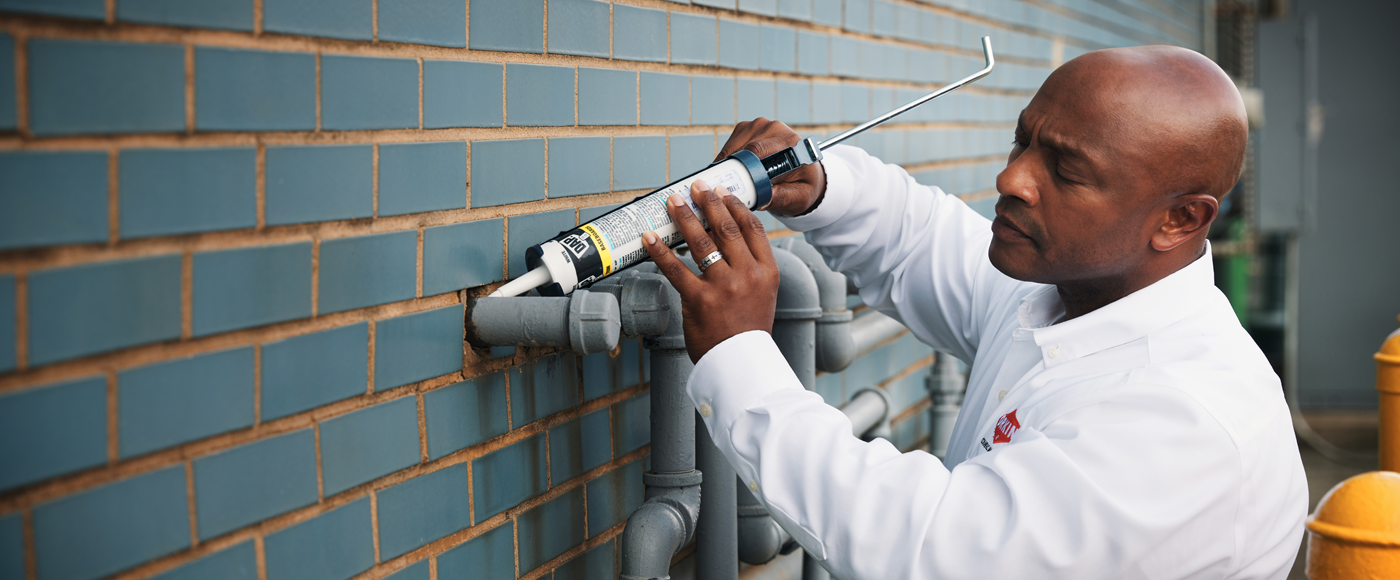
The table below covers the primary treatment methods Orkin uses and how each one relates to pet exposure. Placement matters more than product choice. A low-toxicity product applied carelessly in a pet’s sleeping area creates more risk than a stronger product placed precisely inside a wall void.
| Method | What It Is | Where It Is Applied | Why It Is Lower or Higher Exposure for Pets |
|---|---|---|---|
| Baits | Slow-acting attractants in gel or granule form that workers carry back to the colony | Inside tamper-resistant stations, in cracks, under appliances, behind cabinets | Lower exposure: enclosed stations limit direct contact and confine active ingredients to locations pets do not normally reach |
| Crack-and-Crevice Treatments | Targeted sprays, gels, or dusts applied inside voids, baseboards, and gaps | Inside wall voids, under kick plates, along baseboards, behind appliances | Lower exposure: small volumes placed in locations pets cannot easily access; most of the material is contained out of reach |
| Perimeter Sprays | Liquid residual treatments applied around the exterior foundation and entry points | Outside the home along the foundation, around doors and windows | Moderate exposure until dry: residuals cover square footage and can leave surface residue on patios and grass. Keep pets off treated areas until fully dry, which can take longer in humid Gulf Coast conditions. |
| Granules | Solid particles broadcast or spot-applied to soil or turf | Around the perimeter, in lawn areas, near fire ant mounds | Higher ingestion risk if accessible: granules must be watered in and allowed to settle. Pet access should be restricted for the period specified on the product label, which for many granular products is commonly 24 to 48 hours. |
| Exclusion | Physical sealing of entry points using caulk, mesh, or barriers | Foundation gaps, door sweeps, vent screens, roofline penetrations | No chemical exposure: removes the pest pathway without any product, making it a very low-exposure option and a high-value first step in any pet household. |
Placement is the variable that most directly controls how much product a pet actually contacts. A bait placed inside a tamper-resistant station under a cabinet is a fundamentally different exposure scenario than the same active ingredient broadcast across a floor. That is why Orkin Pros are trained to choose the placement that solves the pest problem with the least necessary exposure to the rest of the household.
Safe Pest Control For Birds, Fish, And Small Pets
Birds and fish need a separate safety plan from dogs and cats. The ASPCA explains that birds are especially sensitive to airborne toxins because their efficient respiratory systems make them vulnerable to inhaled substances at concentrations that would not affect a dog or cat. Even a treatment applied in another room can reach a bird’s cage through ventilation pathways.
Before any interior treatment in a home with birds, move the cage to an untreated area of the home or, ideally, out of the home entirely. Keep the bird away for the full service duration and the labeled re-entry period. Inform your Orkin Pro about birds before the appointment so the treatment plan can account for them.
Fish and other aquatic pets face a different risk. Aquariums draw room air through pumps, so mists, vapors, and airborne droplets can enter the water through the filtration system. If moving the tank is not possible, cover the canopy and open top tightly with rigid plastic or taped sheeting. Turn off the pump and air equipment before treatment begins, then restore filtration promptly once the treated area has dried and ventilated. After treatment near an aquarium, perform a partial water change within a few hours and monitor fish behavior for 24 to 48 hours.
Reptiles and small mammals such as ferrets and guinea pigs also have heightened respiratory sensitivity. Many pest control guides advise relocating birds and other small exotic pets to an unexposed area for at least 24 hours after indoor spraying. The key step is disclosing every animal in the home, including aquariums, reptile enclosures, and caged birds, before scheduling service.
DIY Pet-Safe Pest Control: What Works And What To Avoid
The essential oil trap is one of the most common mistakes Gulf Coast pet owners make. A recipe labeled “natural” or “plant-based” can still harm animals. The ASPCA warns that permethrin is safe for dogs but can cause severe tremors and seizures in cats, and the same species-specific sensitivity applies to many botanical compounds. The Merck Veterinary Manual identifies tea tree oil as the most commonly reported essential oil intoxicant in pets, and the Pet Poison Helpline lists peppermint, eucalyptus, citrus, clove, cinnamon, pennyroyal, and wintergreen oils among those that can cause poisoning in cats.
Citronella candles and dryer sheets are sometimes suggested as pest deterrents. The ASPCA notes that cationic detergents found in dryer sheets and fabric softeners can cause significant chemical burns to the mouth and esophagus in pets, with cats appearing especially sensitive. Neither citronella nor dryer sheets provide meaningful, lasting pest control.
Store-bought sprays, gels, traps, and foggers can knock down the pests you see. They rarely reach the colony, nest, or entry point. Without training, it is easy to misidentify the pest or apply product in the wrong location. Foggers are a particular concern in pet households. Bug bombs deposit insecticide on every surface, including pet bowls, bedding, and toys. That blanket coverage creates avoidable exposure that a targeted professional treatment would avoid.
Understanding these DIY risks sets up the next question for local pet owners: how Tampa and West Palm Beach pest seasons change when and how treatments happen around your animals.
Tampa And West Palm Beach Pest Seasons And Pet Exposure
Tampa and West Palm Beach share a hot, humid subtropical climate, so pest control is a year-round responsibility rather than a short summer project. The local pest calendar shapes when your pet faces the most exposure risk from both pests and treatments.
In late winter and early spring, roughly January through April, termite swarmers and ant colonies become active as temperatures rise. Fire ant mounds rebuild after the wet season, and mosquito activity begins to pick up as standing water accumulates from early rains. For pet owners, this is when outdoor granular treatments and fire ant mound work become more common, so the 24-to-48-hour pet restriction window on many granular products matters most.
From late spring through midsummer, roughly May through July, mosquito breeding accelerates sharply. Tampa Bay’s daily afternoon thunderstorms create fresh standing water in gutters, birdbaths, and plant saucers, and mosquito eggs can hatch within 24 to 48 hours. Flea reproduction also accelerates in the heat and humidity, and a single flea can lay 40 to 50 eggs per day under these conditions. During this Breeding and High Season, pets spend more time outside, so consistent heartworm, flea, and tick prevention and careful timing of lawn treatments become critical.
From midsummer through early fall, roughly August through October, pest pressure peaks. The National Pest Management Association’s Fall and Winter 2026 Bug Barometer forecasts that warm, wet conditions may extend mosquito and cockroach activity across the Southeast, including the Tampa Bay area. Fire ant colonies reach their largest size after months of warm-weather growth, and palmetto bugs move indoors when heavy rains flood their outdoor habitats. This is when many homes schedule more frequent exterior barrier services, so planning pet access around drying times becomes part of the monthly routine.
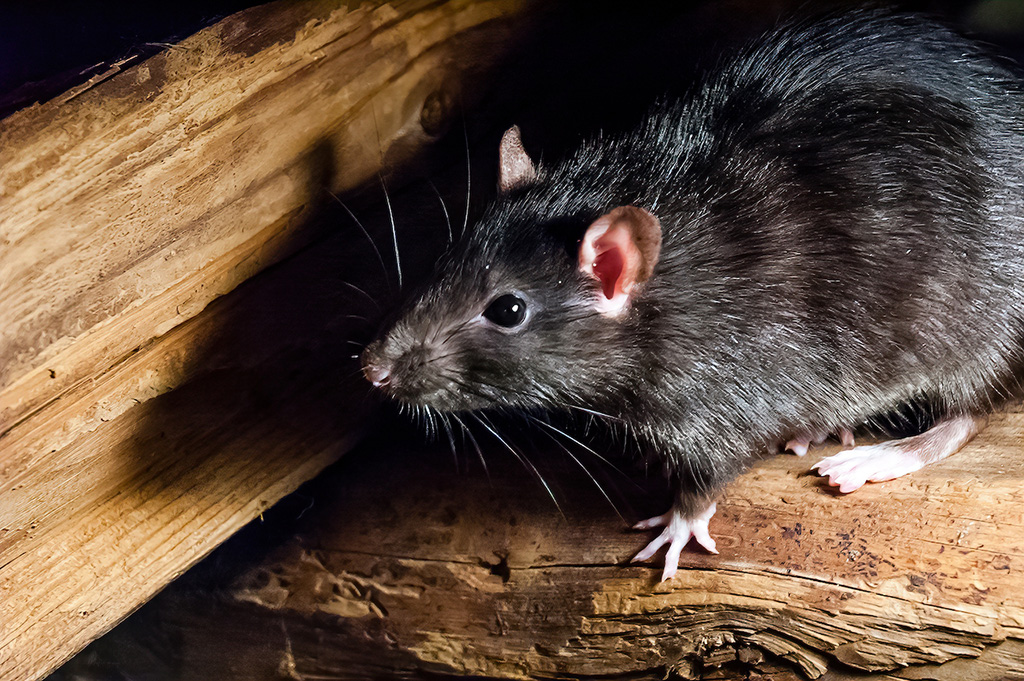
In the fall months, roughly October through November, roof rats become more active in older, tree-lined neighborhoods, using overhanging branches to reach attics and rooflines. Cockroaches remain active indoors year-round because warm interiors provide no cold-weather reset. From roughly December through February, rodents and cockroaches continue to seek warmth inside homes while outdoor pest pressure eases slightly. For pet owners, this period often involves more indoor inspections, exclusion work, and bait placements that can be secured out of reach of curious animals.
Across Tampa and West Palm Beach, this calendar means that treatment decisions happen in every season. Knowing which pests are active and which methods your Pro plans to use at each point in the year helps you prepare your pets appropriately.
How Orkin Handles Pet Households In Tampa And West Palm Beach
Orkin has a local branch in Tampa staffed by local Orkin Pros who live and work in the community. They know Tampa’s specific pests, its wet-season surge, its year-round cockroach and flea pressure, and the fall rodent push that affects the area’s older neighborhoods. West Palm Beach customers work with Orkin Pros who understand Atlantic-coast moisture patterns and coastal pest pressure. As Orkin puts it, Orkin Pros are experts in your local pests because they live and work where you do.
Every Orkin Pro completes 160 hours of training in their first year. That training includes live broadcast classes, e-learning, and hands-on demonstration in the field. The program appears on Training Magazine’s Top 125 list and covers both general pest control best practices and the specific conditions of Florida markets such as Tampa and West Palm Beach.
For pet households, the Orkin Pro Process follows a clear sequence. The process starts with inspection, which identifies the exact pest species and the conditions driving activity. That identification feeds directly into diagnosis, where the Pro finds the root cause, including entry points, moisture, food sources, and harborage. Only then does treatment begin. Because the root cause is known, the Protect step can apply EPA-registered products precisely where they are needed, starting with the least invasive methods. In Tampa and West Palm Beach, many homes receive recurring pest control treatments that focus only on the exterior barrier after the initial service. Most customers do not need to be home, and interior treatment is added when pests are confirmed indoors. The Monitor step uses pest monitors in high-risk areas to track ongoing activity. The Report step provides a detailed service report after every visit. It lists every product used, its EPA registration number, where it was applied, and post-treatment guidelines including re-entry timing for pets.
Orkin backs its work with the Orkin Guarantee. If pests return between treatments, your Orkin Pro will return at no extra charge. If you are still not satisfied, there is a 30-day money back guarantee. Same-day service is available in many areas when you call before noon, and Orkin can be reached by phone 24 hours a day, 7 days a week. You can also manage scheduling, download service reports, and request touch-up visits through your customer account at orkin.com/my-account.
What To Ask Before You Book: A Pet Owner’s Checklist
Clear questions help you judge whether a provider understands pet safety. Use this checklist while you schedule and compare answers across companies.
- Which products will be used, and what are their EPA registration numbers?
- Where exactly will each product be applied, and can any of those locations be reached by my pets?
- How long should my pets stay off treated surfaces, and does that change based on the product or the weather?
- Is interior treatment necessary, or can the problem be addressed with exterior treatment only?
- I have a fish tank and a bird: what specific steps do I need to take before and after treatment?
- What is the re-entry guidance for cats specifically, given their sensitivity to certain compounds?
- What happens if pests return between scheduled visits?
A provider who answers these questions clearly and shares product names and EPA registration numbers shows a strong safety culture. A credible pest control professional can explain the pest evidence, the nonchemical corrections, why a product is needed, and how success will be measured.
Frequently Asked Questions About Pet-Safe Pest Control
How Long After Pest Control Sprays Is It Safe For Pets?
As covered above, the standard window is one to two hours, but Gulf Coast humidity can extend it. Always follow the specific re-entry guidance in your service report.
Is Pest Control Safe For Dogs And Cats?
Professional pest control using EPA-registered products applied precisely and according to the label carries lower risk than most DIY applications. Cats are more sensitive than dogs to certain compounds, particularly pyrethroids, so always tell your provider what species of pets you have before treatment begins.
Is Pest Control Safe For Birds And Fish?
Birds and fish require extra planning before any interior treatment. Birds have sensitive respiratory systems and should be relocated to an untreated area or out of the home during service and for the full re-entry period. Fish tanks should be covered tightly and filtration turned off before treatment, then restored promptly once the area has dried. Disclose all pets, including aquariums and caged birds, when you schedule service.
What Is Safe To Spray In The House Around Pets?
EPA-registered products applied in targeted locations, such as crack-and-crevice treatments and enclosed bait stations, carry the lowest exposure risk for pets because they place active ingredients where pets cannot easily contact them. Broad-area sprays and foggers increase surface contact and are generally avoided in pet households when targeted alternatives can solve the problem. Your Orkin Pro will select the method appropriate for the pest and the home.
How Do You Get Rid Of Bugs Without Harming Pets?
The most effective approach combines non-chemical steps, including sealing entry points, eliminating moisture and food sources, and removing harborage, with targeted treatments applied only where the pest is active. Orkin Pros start with inspection and the least invasive methods, escalating only as the problem requires. Many Tampa and West Palm Beach homes are treated only on the outside, with interior treatment added when pests are confirmed indoors.
What About DIY Essential Oil Sprays?
“Natural” products can still be toxic to pets. Tea tree, peppermint, eucalyptus, citrus, clove, cinnamon, pennyroyal, and wintergreen oils are among those documented to cause poisoning in cats, whose livers cannot process certain compounds the way dogs and humans can. Even diluted homemade sprays can cause drooling, vomiting, tremors, and respiratory distress in cats. Essential oil sprays also provide limited pest control, typically repelling rather than eliminating the colony or nest.
How Does Tampa’s Climate Affect Pest Activity And Treatment Timing?
Tampa’s and West Palm Beach’s year-round warmth and high humidity keep pests active in every month, so treatments may be needed more frequently than in colder climates. High humidity also extends drying times for liquid treatments, which means re-entry intervals for pets can be longer than the label’s minimum on humid or overcast days. Your Orkin Pro accounts for local conditions when advising on post-treatment timing.
What Is The Orkin Guarantee?
If pests return between scheduled treatments, your Orkin Pro will return at no extra charge. If you are still not satisfied after that return visit, Orkin will refund your last service payment under the 30-day money back guarantee. See your service agreement for details.
Pests Do Not Wait, And Neither Do We
Pests stay active in Tampa and West Palm Beach all year, and your local Orkin Pros stay ready to respond. They know the palmetto bugs, fire ants, fleas, mosquitoes, and fall rodent pushes that affect Gulf Coast and Atlantic-coast neighborhoods. Orkin’s local team builds each treatment plan around your home and your pets. Call 877-819-5061, answered 24 hours a day, 7 days a week, or request your free estimate online.
Get Your Free Pet-Safe Pest Control Estimate